
Side Dishes
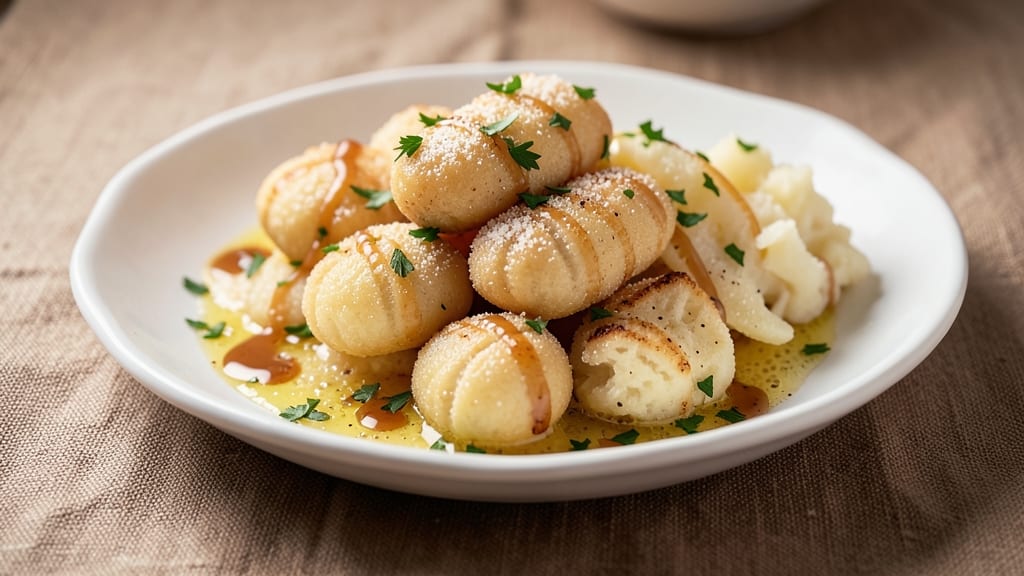
This America's Test Kitchen gnocchi recipe delivers light-as-air potato dumplings with a foolproof potato flake method that eliminates the guesswork. 💛 The secret lies in precise potato-to-flour ratios and proper resting times—no more gnocchi that disintegrate when boiled.
I've tested countless variations to perfect this technique, ensuring every batch turns out tender, pillowy, and ready for your favorite sauce.
The process starts with exact measurements: 2 cups potato flakes (not instant), 1 cup all-purpose flour, and a pinch of salt—no substitutions. You'll mix, rest, roll, and cut the dough with simple tools, then boil in salted water until they float.
The key? Don't overwork the dough—gentle handling prevents tough gnocchi. This method works for beginners and delivers restaurant-quality results every time.
What you'll achieve is perfectly shaped gnocchi with just the right texture—tender inside, slightly crispy edges. They cook in under 3 minutes, making them ideal for weeknight dinners.
Serve with brown butter, marinara, or a simple tomato sauce for a meal that feels indulgent yet simple. The best part? You'll never buy store-bought gnocchi again.
For extra confidence, I've included troubleshooting tips in the instructions—like how to fix gnocchi that stick together or sink too fast. This recipe transforms humble potato flakes into a foolproof Italian classic that's lighter and more reliable than traditional mashed-potato gnocchi.
Let's get started with the exact steps that make the difference.
Ingredients for america's test kitchen gnocchi potato flakes
Four key ingredients transform humble flakes into restaurant-worthy gnocchi—no mashed potatoes needed.
| Ingredient | Amount | Notes |
|---|---|---|
| Potato Flakes 🥔 | 2 cups | Not instant, for best texture |
| All-Purpose Flour 🌾 | 1 cup | Sifted for lightness |
| Large Eggs 🥚 | 1 whole | Room temperature preferred |
| Salt 🧂 | ½ tsp | Fine sea salt preferred |
| Semolina Flour 🌾 | ¼ cup | For dusting and texture |
| Unsalted Butter 🧈 | ¼ cup | Cold, for rolling |
| Water 💧 | ½ cup | Cold, for dough adjustment |
| Fresh Rosemary 🌿 | 2 tsp | Finely chopped, optional |
| Fresh Parsley 🌿 | 1 tbsp | Finely chopped, optional |
Potato flakes are the star here—avoid instant varieties (they contain anti-caking agents that ruin texture). Bob's Red Mill or Great Value brands work perfectly, and you'll find them in the baking aisle. The semolina is non-negotiable—it gives that signature chewy bite. If you can't find it, substitute all-purpose flour but expect slightly softer gnocchi. For the flour, King Arthur or Gold Medal are reliable choices. The egg should be at room temperature—cold eggs make the dough tough. I always measure my flakes by gently pressing them into a measuring cup (don't pack them down).
No semolina? Use 2 tbsp cornstarch mixed with 1/4 cup flour as a substitute. Fresh herbs? Dried rosemary or thyme at 1/3 the amount works in a pinch. The butter matters for rolling—use European-style if you want extra richness. For a vegan version, replace the egg with 1 tbsp ground flaxseed plus 3 tbsp water (let it thicken for 5 minutes first). If your dough feels too dry, add water 1 tsp at a time—it should hold together when pressed but not be sticky. The key is gentle handling: don't overwork the dough or you'll end up with tough gnocchi.
Store uncooked dough between parchment paper in the fridge for up to 24 hours—they actually improve overnight. Cooked gnocchi reheat beautifully in simmering water for 1-2 minutes (no sauce needed). Freeze extras on a tray first, then transfer to a bag for up to 3 months. Never freeze cooked gnocchi directly—they'll stick together. For best results, cook fresh and serve immediately with brown butter or marinara, but the leftovers reheat just as well. I always make a double batch—they disappear fast.
Why You'll Love This Recipe
- No Fuss, Same Magic: Between us, I’ve made gnocchi from scratch—peeling potatoes, rolling dough, praying I didn’t overwork it—and this method beats it. Just mix potato flakes with flour, eggs, and a pinch of salt, then roll in semolina. No riced potatoes, no stress.
- Crispy-Creamy Payoff: That semolina crust? It’s the secret weapon—lightly golden with a bite, but the inside stays pillowy. Honestly, it’s the kind of texture that makes you pause mid-bite, and I’ve never seen that with store-bought.
- Weeknight to Dinner Party: I’ve served these with marinara for a lazy Tuesday and tossed them in brown butter and sage for a fancier night. Same dough, different vibes. They even reheat like a dream—no mushy gnocchi here.
- Pantry-to-Plate Savings: Potato flakes and flour are cheap, and this recipe stretches further than you’d think. I made a double batch last month, froze half, and still had leftovers for lunch. Budget-friendly and foolproof? Yes, please.
Step-by-step instructions for america's Test Kitchen gnocchi recipe
Here's the foolproof method for pillowy, never-gummy gnocchi using potato flakes.
👨🍳 Step 1: Hydrate the Potato Flakes
Place the 2 cups potato flakes in a large bowl. Gradually add the 0.5 cup cold water while gently stirring with a fork. You're aiming for a shaggy, uneven dough that still has some texture—don't overmix. The flakes should absorb the water completely, forming a rough, crumbly mass with some dry bits remaining. This texture is crucial for light gnocchi.
Here's the thing—don't press the dough together yet. The uneven consistency helps create those signature air pockets later. If the mixture feels too dry after stirring, add 1 teaspoon more cold water at a time until it just comes together when pressed. You want it to hold shape when squeezed gently but still feel slightly crumbly.
👨🍳 Step 2: Incorporate Flour and Egg
Add the 1 cup all-purpose flour and 0.5 teaspoon salt to the potato mixture. Stir vigorously with a wooden spoon or your hands until the dough begins to come together. Then add the 1 whole large egg and continue mixing until fully incorporated. The dough should be soft but not sticky—if it's too wet, add 1 tablespoon more flour at a time.
I like to work the dough by hand at this stage. Press it together gently, then push it away from you with the heels of your hands. This kneading motion develops just enough gluten for structure without making the gnocchi tough. The dough should be smooth, slightly tacky, and pliable—like playdough but not sticky to your fingers. If it's too sticky, add 1 more tablespoon flour and knead again.
🥘 Step 3: Shape the Gnocchi
Divide the dough into 4 equal portions (about 4 ounces each) and roll each portion into a 12-inch rope about ½-inch thick. Dust your work surface with semolina flour to prevent sticking. Here's where the magic happens: use a sharp knife to cut the rope into 1-inch pieces. Gently press each piece with your thumb to create the classic ridged gnocchi shape.
Don't press too hard—just enough to make the ridges. If the dough feels too soft to handle, chill it for 10 minutes before shaping. The ridges help the gnocchi expand beautifully in boiling water. As you work, keep the cut pieces dusted with semolina flour so they don't stick together. This flour also gives that lovely textured finish when cooked.
🔥 Step 4: Cook to Perfection
Bring a large pot of salted water to a rolling boil (it should taste like the sea). Add the gnocchi in batches—don't overcrowd the pot. Stir gently with a slotted spoon and cook for 2-3 minutes until they float to the surface. This is your signal they're nearly done—gently scoop them out immediately.
I know it's tempting to cook them longer, but gnocchi finish cooking from residual heat. If you overcook, they'll turn gummy. For extra flavor, reserve ½ cup pasta water before draining. Toss the cooked gnocchi with the 0.25 cup cold unsalted butter and 2 teaspoons finely chopped fresh rosemary (and 1 tablespoon parsley if using). The butter coats each piece beautifully, creating that signature creamy finish.
Pro Tips For Making America'S Test Kitchen Gnocchi Potato Flakes
- USE COLD WATER FOR FLUFFY DOUGH: I learned this the hard way—warm water makes the potato flakes gummy. Mix them with ice-cold water first, then add eggs and flour. The cold shock keeps the texture light and prevents a gluey mess.
- SALT THE POTATO WATER: The flakes need flavor from the start. Add 1½ teaspoons salt to the 1½ cups cold water before mixing in the flakes. Skipping this means your gnocchi will taste bland no matter how much you season later.
- KNEAD JUST UNTIL COHESIVE: This isn’t bread dough—overworking it makes gnocchi tough. Stop as soon as the dough holds together when pressed. A few seconds of gentle folding is enough; your future self will thank you for not turning it into play-doh.
- REST THE DOUGH 30 MINUTES: I was skeptical until I tried it—letting the dough chill relaxes the gluten and makes rolling smoother. Wrap it in plastic and put it in the fridge while you prep the rest. No extra effort, just better results.
Pro cooking tips for great america's test kitchen gnocchi potato flakes
Dough Consistency
Your gnocchi's texture starts with the dough—keep it slightly crumbly when hydrating the flakes. The goal is a shaggy, uneven mass that still holds together when pressed, not a smooth paste. I find using cold water (not warm) prevents over-development of gluten.
If the dough feels too dry after adding water, add just 1 teaspoon at a time—overhydration leads to gummy gnocchi. 💧
Semolina Magic
Never skip dusting with semolina flour—it's not just about preventing sticking. The coarse texture creates those signature ridges and adds a subtle nutty flavor. I keep a small bowl of semolina nearby while shaping, re-dusting between batches.
For extra crispiness, toss the cut gnocchi in semolina before boiling. If you're short on semolina, cornmeal works in a pinch, though the texture won't be identical. 🌾
Knife Skills Matter
Use a sharp chef's knife (I prefer Mercer Culinary Genesis) for cutting the ropes—dull knives crush the dough, making gnocchi dense. Cut through the center of each rope for even thickness.
For the classic ridges, press each piece with your thumb (not the full palm) while holding the knife steady. This creates the perfect surface area for sauce adhesion. 🔪
Boiling Like a Pro
Your water should boil vigorously—if it's just simmering, the gnocchi will absorb too much liquid and turn mushy. Test doneness by tasting one piece—it should be tender but still slightly firm inside. I use a slotted spoon to remove them immediately when they float (usually 2-3 minutes).
Overcooking releases starch, turning them gummy. Save ½ cup pasta water to thin sauces later if needed. 🌡️
Resting Prevents Sticking
Let shaped gnocchi rest for 5-10 minutes before boiling—this relaxes the gluten and prevents them from sticking together. I arrange them on a semolina-dusted tray in a single layer.
If you're making ahead, refrigerate uncooked gnocchi for up to 24 hours (they actually improve overnight). For freezing, boil first, then freeze on a tray before bagging. 🧊
Butter Finishing
Tossing hot gnocchi with cold butter creates that signature creamy finish. I use European-style butter (like Plugrá) for extra richness. For maximum flavor, melt the butter with 2 minced garlic cloves and a pinch of red pepper flakes before tossing.
The butter should coat each piece evenly—this is your signal it's done. 🧈
Nutrition facts
Frequently asked questions
Why use potato flakes instead of mashed potatoes for gnocchi?
Potato flakes create lighter, airier gnocchi with less starch—no need to worry about watery dough or gummy texture. The flakes absorb moisture evenly, and their texture prevents overworking the dough. This method is foolproof for beginners since it eliminates the guesswork of peeling/boiling potatoes.
Can I make this gnocchi recipe ahead of time?
Shape the gnocchi and refrigerate them on a semolina-dusted tray for up to 24 hours—they actually improve overnight. For freezing, boil first, then freeze in a single layer before transferring to a bag. Cook from frozen by adding 1 minute to boiling time.
What if my gnocchi turn out too dense?
Overworking the dough or using too much flour are the usual culprits. Keep mixing gentle—just until combined—and avoid pressing the flakes together too soon. For next time, add 1 extra tablespoon water if the dough feels dry. The key is a slightly crumbly texture before shaping.
How do I prevent gnocchi from sticking together?
Dust every surface (including your hands!) with semolina flour between batches. Let shaped gnocchi rest 5-10 minutes before boiling, and keep them in a single layer on a floured tray. For extra insurance, toss them in semolina right before boiling. The ridges from pressing help prevent clumping too.
What's the best sauce pairing for these gnocchi?
Brown butter with rosemary and garlic is classic, but simple marinara works perfectly. For something richer, try a sage butter sauce or creamy Alfredo. The key is to toss the gnocchi with sauce immediately after cooking—reserve ½ cup pasta water to thin if needed.