
Desserts
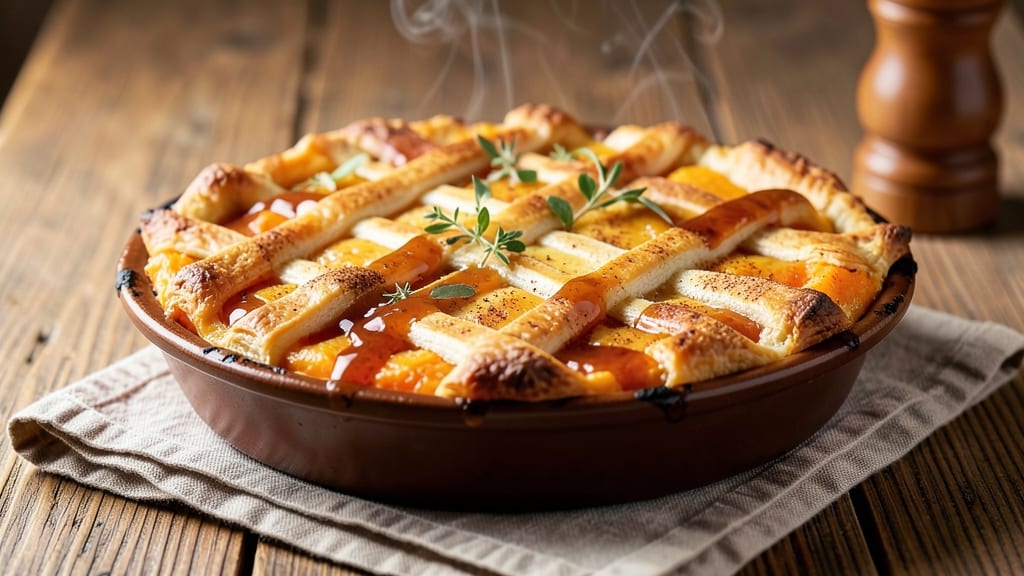
This baked potato pie recipe transforms humble sweet potatoes into a showstopping dessert with layers of creamy filling and golden crust. The secret lies in perfectly boiling and mashing the potatoes until they're silky smooth, then blending them with eggs, butter, and just enough sugar to enhance their natural sweetness.
What makes this version special is the buttery, flaky crust that encases the filling, creating that irresistible contrast between tender interior and crispy exterior.
The preparation might sound involved, but it's actually straightforward—no fancy techniques required. You'll boil the potatoes until fork-tender, then mash them while still warm for maximum creaminess.
The filling comes together in minutes, and the pie bakes in the oven until the crust turns golden brown and the filling sets just right. The aroma alone will have everyone gathering in the kitchen.
What you'll end up with is a dessert that looks impressive but comes together with simple ingredients. The filling remains moist and flavorful, while the crust provides that perfect textural contrast.
This pie is versatile enough to serve as a centerpiece for holiday gatherings or a comforting treat on a chilly evening. The sweetness is balanced just right, making it appealing to both kids and adults.
For an extra touch of indulgence, consider adding a sprinkle of cinnamon or nutmeg to the filling before baking, or a drizzle of caramel sauce after it comes out of the oven.
The possibilities are endless, but the foundation remains the same—a creamy, comforting potato pie that's sure to become a family favorite. Let's get started on creating this dessert masterpiece.
Ingredients for baked potato pie
Sweet potatoes, eggs, butter, and a flaky crust—these simple ingredients create an irresistible dessert masterpiece.
| Ingredient | Amount | Notes |
|---|---|---|
| Sweet Potatoes 🍠 | 2 lbs | Medium size, peeled and boiled |
| Large Eggs 🥚 | 4 whole | Room temperature for blending |
| Unsalted Butter 🧈 | 1 cup | Cold, cubed for easier mixing |
| Granulated Sugar 🍚 | ¾ cup | Light brown preferred for depth |
| All-Purpose Flour 🌾 | ½ cup | For thickening filling |
| Ground Cinnamon 🌿 | 1 tbsp | Freshly ground preferred |
| Ground Nutmeg 🌿 | ½ tsp | Freshly grated for best flavor |
| Salt 🧂 | ½ tsp | Kosher or sea salt |
| Vanilla Extract 🥛 | 1 tsp | Pure vanilla preferred |
| Heavy Cream 🥛 | ½ cup | Full-fat for creaminess |
| Pie Crust 🍰 | 1 pre-made | Store-bought or homemade |
| Milk 🥛 | ¼ cup | Whole milk for richness |
Sweet potatoes are the foundation, so choose firm, vibrant orange ones—the deeper the color, the richer the flavor. Whole Foods or Trader Joe's carry the best varieties, but regular grocery stores work too. Boil them until fork-tender, then mash while still warm for that silky texture. The butter matters here too—Plugrá or Land O'Lakes are reliable, but any good-quality unsalted butter will do. For the crust, Pillsbury or homemade both work, but if you're making it from scratch, chill the dough for at least 30 minutes before rolling.
No heavy cream? Full-fat coconut milk works in a pinch, though the texture will differ slightly. Freshly ground spices make all the difference—if you've got whole cinnamon sticks, toast and grind them for a deeper flavor. Diamond Crystal kosher saltpre-made refrigerated dough from the grocery store is a lifesaver—just press it into the pan and bake as directed. The milk can be swapped for half-and-half if you prefer a lighter filling.
This pie keeps beautifully in the fridge for 4-5 days, though it's best enjoyed fresh. For make-ahead prep, assemble the pie and refrigerate overnight—it'll be even more flavorful. If you're baking for a crowd, double the filling and use two 9-inch pans. The crust can be pre-baked for 10 minutes if you want to assemble ahead and bake later. Leftovers reheat well in the oven at 350°F for 10-15 minutes, covered with foil to keep the filling moist.
Why You'll Love This Recipe
- No Chopping Needed: I’ll be real—this pie starts with roasted sweet potatoes, which I just toss in the oven whole. No peeling, no dicing, no mess. You mash them right in the skin, and boom, instant creamy base.
- Sweet & Savory Magic: That sugar-butter combo in the crust? It’s like a hug for your taste buds. The eggs bind it all together while keeping the filling light—no heavy, greasy aftertaste here.
- Dessert or Breakfast?: Serve it warm with a scoop of vanilla ice cream, or slice it cold for a sweet breakfast. Honestly, I’ve even packed leftovers for lunch—trust me, it’s that good.
- Budget-Friendly Staples: Sweet potatoes and eggs are cheap, and this recipe stretches far. A single pie feeds six, and the leftovers reheat like a dream. My secret weapon for feeding a crowd without breaking the bank.
Step-by-step instructions for sweet potato pie with buttery crust magic
Here's how to create a perfectly balanced pie with velvety sweet potato filling and a flaky crust.
Prepare the Sweet Potato Filling
Start by boiling the 2 lbs sweet potatoes until they're tender when pierced with a fork—about 20-25 minutes. Drain them well and let cool slightly before handling. Once cool enough to handle, peel the potatoes and mash them until completely smooth, with no lumps remaining. This texture is crucial for a silky filling.
In a large mixing bowl, combine the mashed sweet potatoes with the 1 cup unsalted butter, 0.75 cup granulated sugar, 0.5 cup all-purpose flour, 1 tbsp ground cinnamon, 0.5 tsp ground nutmeg, and 0.5 tsp salt. Mix thoroughly until the butter is fully incorporated and the mixture is smooth. The filling should be thick but still pourable—if it's too stiff, add 1-2 tablespoons of milk to loosen it.
Blend the Egg and Cream Mixture
In a separate bowl, whisk together the 4 whole large eggs and 0.5 cup heavy cream until well combined. This mixture will give the filling its rich, creamy texture. Gradually pour this egg mixture into the sweet potato mixture while stirring constantly. The goal is to create a smooth, lump-free batter that coats the back of a spoon.
Add the 1 tsp vanilla extract and mix again until fully incorporated. The vanilla enhances the natural sweetness of the sweet potatoes and adds depth to the flavor. Taste the mixture and adjust the sweetness or spice level if needed—this is your chance to customize the pie to your preference before it goes into the oven.
Assemble the Pie
Preheat your oven to 375°F. Roll out the pre-made pie crust and fit it into a 9-inch pie dish, pressing gently to ensure it adheres to the bottom and sides. Trim any excess dough from the edges. Pour the sweet potato filling into the crust, spreading it evenly. The filling should be about ½ inch below the rim of the pie dish to allow for expansion during baking.
For that signature swirl effect, use a spoon to create gentle ridges in the filling, working from the center outward. This not only looks beautiful but also helps the filling set more evenly. Brush the edges of the crust with a little milk or beaten egg to create a seal, then cut slits in the top crust to allow steam to escape during baking.
Bake to Golden Perfection
Place the assembled pie on a baking sheet to catch any drips and bake for 45-50 minutes. The pie is done when the filling is set but still slightly jiggly in the center and the crust is golden brown. If the edges of the crust start browning too quickly, cover them with aluminum foil to prevent burning while the center finishes baking.
Once the pie is out of the oven, let it cool completely on a wire rack before slicing. This resting period allows the filling to firm up and the flavors to meld together. Serve warm or at room temperature for the best texture—each slice should have a creamy, spiced filling with a flaky, buttery crust that contrasts beautifully with the sweetness.
Pro Tips For Making Baked Potato Pie
- Boil Sweet Potatoes Until Fork-Tender: I learned this the hard way—undercooked potatoes make a gummy, sad pie. Cut them into even 1-inch chunks and boil them in salted water for 18-20 minutes until they collapse easily on a fork. Drain well, then mash while still hot so the starch breaks down properly.
- Use Cold Butter for Flaky Layers: After burning three batches with melted butter, I finally realized: cold cubes create those perfect, buttery layers. Cut your unsalted butter into ¼-inch cubes and fold them into the dry flour mixture before adding wet ingredients—this keeps the texture tender, not greasy.
- Skip the Overmixing: This isn’t the prettiest method, but it’s the tastiest. Once you add the eggs and sugar to the sweet potato mash, stir just until combined—about 10-12 strokes. Overmixing develops gluten, which turns your pie into a dense, chewy brick instead of a light, custardy slice.
- Bake at 350°F, Not Higher: Sounds weird, but it works: I was skeptical until I tried it. Baked potato pie needs a slow, steady bake to set the custard without curdling. 350°F for 45-50 minutes gives the edges a golden crust while keeping the center creamy. Any hotter, and you risk a rubbery texture.
Troubleshooting great baked potato pie
Filling Too Thin?
If your filling spreads too thin during baking, the issue is likely overmixing or insufficient thickening. First, ensure you're using 0.5 cup all-purpose flour—this is crucial for structure.
If the filling still looks too runny, whisk in 1-2 tablespoons cornstarch mixed with 1 tablespoon cold water to thicken it gently.
I've found that underbaking the crust slightly (removing it at 40 minutes) then letting it set at room temperature for 1 hour helps thicken the filling naturally. 💡
Crust Not Browning
A pale crust usually means insufficient heat exposure or moisture. Brush the top crust with egg wash (1 egg + 1 tbsp water) before baking for a golden finish. If using a glass pie dish, place it on a baking sheet to reflect heat upward.
For stubborn cases, broil for 1-2 minutes at the end, watching closely to avoid burning. Pre-baking the bottom crust for 5 minutes at 375°F also creates a better barrier for browning. 🔥
Filling Too Dense
Overmashing potatoes or using cold ingredients creates dense filling. Always mash potatoes while still warm (not hot) to prevent starch from over-developing. If the mixture looks too thick, stir in 1-2 tablespoons milk or heavy cream to lighten it.
For extra fluffiness, fold in 2 whipped egg whites at the end—this adds air without altering flavor. I've also had success reducing butter to ½ cup if the filling feels too heavy. ✨
Cracks in the Filling
Rapid temperature changes cause filling to crack. Let the pie cool completely (2+ hours) before slicing—this allows the filling to set evenly. If cracks appear during baking, tent the pie with aluminum foil for the last 15 minutes to slow cooling.
For a smoother finish, chill the pie overnight before serving. The cracks won't affect taste, but this technique prevents them visually. 💫
Soggy Bottom Crust
Moisture from the filling steams the bottom crust. Pre-bake the crust (unfilled) for 10 minutes at 375°F to create a barrier. Sprinkle pie crust crumbs or semolina on the bottom before adding filling to absorb excess moisture.
For extra insurance, blind-bake with dried beans as weights. I always use 1 extra egg wash on the bottom crust before filling to seal it. ❄️
Undercooked Center
An undercooked center usually means the pie wasn't baked long enough or the oven wasn't hot enough. Check doneness by inserting a knife—it should come out clean but slightly warm. If the center stays jiggly, return to oven for 5-10 minutes covered with foil.
For even cooking, rotate the pie halfway through baking. I recommend using an oven thermometer—many home ovens run 25°F cooler than set. 🌡️
Nutrition facts
Frequently asked questions about sweet potato pie
Can I use regular potatoes instead of sweet potatoes?
While you can substitute regular potatoes, the flavor and texture will be very different. Sweet potatoes have a natural sweetness and creamier texture that makes them ideal for pie. If you must use regular potatoes, increase the sugar to 1 cup and add ½ teaspoon more cinnamon to compensate for the lack of natural sweetness. The filling will be less rich and more starchy.
How do I make this pie gluten-free?
For a gluten-free version, replace the all-purpose flour with ½ cup gluten-free 1:1 baking flour and use a gluten-free pie crust. You may need to add 1 extra tablespoon of cornstarch to help thicken the filling properly. Always check that your vanilla extract and spices are certified gluten-free to avoid cross-contamination.
Can I make this pie ahead of time?
This pie actually tastes even better when made a day ahead! Assemble the pie and refrigerate it overnight before baking. The flavors meld beautifully, and the filling sets more perfectly. For best results, bake it straight from the fridge (add 5-10 extra minutes to the baking time). If storing baked pie, keep it refrigerated for up to 4 days or freeze for 2 months.
What's the best way to reheat leftovers?
For individual slices, warm at 350°F for 8-10 minutes covered with foil to prevent drying. For the whole pie, wrap it tightly in foil and reheat at 325°F for 20-25 minutes. Microwaving works in a pinch (30-second intervals), but the texture won't be as perfect. Always let the pie cool slightly before slicing to prevent filling from running.
Can I add other mix-ins to the filling?
For extra flavor, try folding in ½ cup chopped pecans, ½ cup dried cranberries, or 1 cup marshmallows for a s'mores twist. You can also add 1 teaspoon orange zest for brightness or ½ cup mini chocolate chips for decadence. Just be mindful of texture—don't overmix after adding mix-ins to keep them distinct.