
Side Dishes
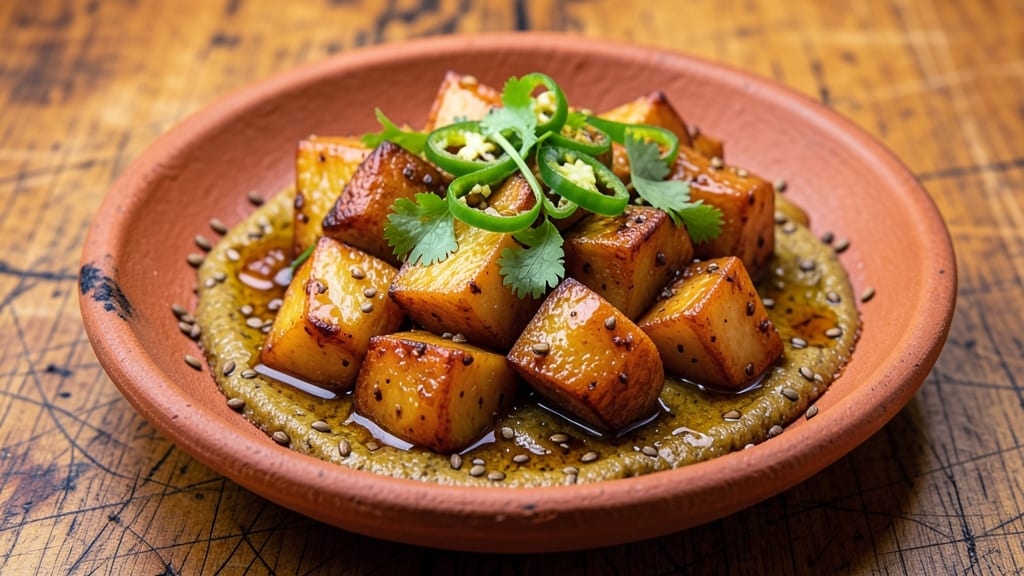
Bengali potato recipes like Aloo Posto transform simple potatoes into a flavor explosion of mustard oil, green chilies, and aromatic spices. This dish is a staple in Bengali homes, where every bite delivers a perfect balance of heat, tang, and earthy warmth. The secret lies in the slow-cooked spices and the bold tempering that gives it that signature crunch.
What sets this recipe apart is the mustard paste (posto), a key ingredient that adds depth and a subtle bitterness to the dish. The potatoes are cooked until tender yet firm, then tossed with a vibrant green chili-mustard oil tempering that sizzles with every spoonful.
This dish pairs beautifully with steamed rice or luchi—fluffy Bengali pancakes—for a complete meal.
The result is a dish that’s rich in flavor but light enough to enjoy as a side or even a main. The mustard oil adds a distinct aroma, while the spices—cumin, turmeric, and coriander—create layers of warmth.
The final touch is a sprinkle of fresh cilantro, brightening the dish with a fresh contrast to the bold flavors.
Ready to bring a taste of Bengal to your kitchen? This recipe is perfect for weeknight dinners or special occasions, and the leftovers reheat beautifully. Let’s get cooking!
Ingredients for bengali potato
Simple potatoes meet bold spices—this Bengali recipe delivers a flavor explosion in every bite.
| Ingredient | Amount | Notes |
|---|---|---|
| Russet Potatoes 🥔 | 2 lb | Medium-sized, peeled and cubed |
| Mustard Oil 🫒 | ½ cup | For tempering, not for cooking |
| Mustard Paste (Posto) 🌶️ | ¼ cup | Homemade or store-bought |
| Green Chilies 🌶️ | 4 whole | Slit lengthwise for tempering |
| Cumin Seeds 🌿 | 1 tbsp | Toasted lightly for aroma |
| Turmeric Powder 🌿 | ½ tsp | Freshly ground preferred |
| Ground Coriander 🌿 | 1 tsp | Freshly ground for brightness |
| Fresh Cilantro 🌿 | ¼ cup | Chopped, for garnish |
| Asafoetida (Hing) 🌶️ | ⅛ tsp | Pinch for authentic flavor |
| Salt 🧂 | 1 ½ tsp | Adjust to taste |
| Red Chili Powder 🌶️ | ½ tsp | Adjust for heat preference |
| Mustard Seeds 🌿 | 1 tbsp | For tempering, optional |
| Vegetable Oil 🫒 | 2 tbsp | For initial cooking |
The mustard paste (posto) is the heart of this dish—look for authentic Bengali brands at Indian grocery stores or make your own by grinding mustard seeds and water. Mustard oil is non-negotiable; the robust aroma is essential. If you can't find it, substitute with a mix of olive oil and ground mustard seeds, but it won't be the same. For the potatoes, Russet or Yukon Gold work best—they hold their shape while absorbing flavors. The green chilies should be fresh and slightly firm; serrano or jalapeño work in a pinch, but Bengali green chilies add the perfect balance of heat and tang.
No mustard paste? Blend 1 tbsp mustard seeds with 2 tbsp water for a quick substitute. Fresh cilantro is ideal, but dried coriander at half the amount works if needed. The cumin seeds should be toasted in the oil until fragrant—don't skip this step, as it unlocks the dish's depth. For extra heat, add a pinch of cayenne pepper to the chili powder. The potatoes should be cooked until tender but still hold their shape—overcooking turns them mushy, which defeats the purpose of this dish.
Store leftover potatoes in an airtight container for up to 3 days—they reheat beautifully with a splash of water. The mustard oil and paste can be kept in the fridge for 1 month if sealed properly. For a quicker meal next time, parboil the potatoes ahead and finish cooking when ready. This dish tastes even better the next day as the flavors meld together—worth making extra for leftovers.
Why You'll Love This Recipe
- Five-Ingredient Magic: I swear, this dish proves you don’t need a grocery list to impress. Russet potatoes, mustard oil, posto paste, green chilies, and cumin—that’s it. No chopping mountains of veggies, no hiding ingredients in a blender.
- Crispy-Creamy Obsession: That mustard oil sizzle with cumin seeds? Instant flavor explosion. The potatoes get this perfect golden crust while staying fluffy inside—like a hug for your taste buds.
- Weeknight Workhorse: Between us, this is my go-to when I’m too tired to think. Feed the whole family, pack leftovers for lunch, or serve it with rice and call it dinner. It doesn’t care what day it is.
- Budget Win: Mustard oil and potatoes are cheap, but they punch way above their price. A single batch stretches for days, and the posto paste adds that restaurant-quality depth without the markup. My wallet thanks me.
Step-by-step instructions for Bengali potato recipe
Here's how to create perfectly spiced, crispy potatoes with authentic Bengali flavors.
Prepare and Cook the Potatoes
Begin by peeling the 2 lb russet potatoes and cutting them into even 1-inch cubes. The consistency matters—aim for uniform pieces so they cook evenly. Place the potato cubes in a large pot and cover them completely with cold water. Add the 1.5 tsp salt and 0.5 tsp turmeric powder to the water.
Bring the water to a boil over high heat, then reduce to medium-high and cook for 8-10 minutes until the potatoes are tender but not mushy. You'll know they're ready when a knife slides in easily. Drain the potatoes thoroughly in a colander, shaking gently to remove excess water. The potatoes should be dry enough to develop that signature crispy exterior later.
Create the Spice Tempering
In a heavy-bottomed pan, heat the 2 tbsp vegetable oil over medium heat. Add the 1 tbsp cumin seeds and toast them for 30 seconds until they begin to sizzle and release their aroma. Immediately add the 4 whole green chilies (slit lengthwise) and the 1 tbsp mustard seeds. Cook for another 30 seconds until the mustard seeds pop and the chilies soften slightly.
Lower the heat to medium-low and add the 0.125 tsp asafoetida (hing). This ingredient is crucial for its umami depth—it will dissolve quickly. Stir in the 0.5 tsp red chili powder and 1 tsp ground coriander, cooking for 1 minute until the spices are fragrant but not burnt. Remove from heat and set aside.
Combine Potatoes with Mustard Paste
In a large mixing bowl, combine the cooked potatoes with the 0.25 cup mustard paste (posto). Using a clean spatula or your hands, gently mix until the potatoes are evenly coated with the paste. The mustard paste should cling to the potatoes, creating a thick, flavorful coating. This step is essential for developing that characteristic Bengali tang and richness.
Transfer the potato mixture to the same pan where you prepared the spices. Add the spice tempering and toss everything together over medium heat for 3-4 minutes. The potatoes should begin to absorb the flavors while developing a slightly crispy exterior. Keep stirring occasionally to ensure even coating and prevent sticking.
Finish with Mustard Oil Tempering
In a separate small pan, heat the 0.5 cup mustard oil over very low heat. The key here is patience—mustard oil should never be heated above its smoking point. Add the 1 tbsp cumin seeds and let them toast gently for 30 seconds until they turn golden and aromatic. Immediately remove from heat.
Pour this tempered mustard oil over the potato mixture in the main pan. The oil will sizzle slightly as it hits the hot potatoes. Stir gently but thoroughly to distribute the oil evenly. Cook for another 2-3 minutes until the potatoes are golden brown and crispy in spots. The mustard oil adds that distinctive nutty flavor and aroma that defines Bengali cuisine.
Garnish and Serve
Transfer the potatoes to a serving platter and sprinkle with the 0.25 cup chopped fresh cilantro. The cilantro adds a bright, fresh contrast to the rich, spicy potatoes. Serve immediately while the potatoes are still crispy and warm. The dish pairs beautifully with rice or can be enjoyed as a standalone appetizer.
For best results, serve within 15 minutes of cooking. The potatoes will continue to crisp up slightly as they cool, but they're best enjoyed at their peak temperature. The combination of the crispy exterior, tender interior, and complex spice profile makes this a truly authentic Bengali experience.
Pro Tips For Making Bengali Potato
- Parboil Thinly: Slice your Russets into ½-inch rounds before boiling—thicker pieces turn gummy when fried later. I used to skip this, and the potatoes always felt dense; now they stay light and crispy at the edges. Use a sharp knife and work in batches if needed.
- Toast the Posto: Bloom your mustard paste (posto) in mustard oil low and slow—it burns faster than you’d think. Heat the oil to just smoking, then add the posto and stir for 30 seconds until it turns a deep amber. This stops the raw taste from overpowering the dish.
- Salt the Water Hard: Add 2 tablespoons of salt to the boiling water for the potatoes—yes, even if your water tastes salty already. This keeps them firm and prevents them from absorbing oil later. I learned this the hard way when my potatoes turned mushy after frying.
- Fry in Batches: Don’t crowd the pan—cook the potatoes in small batches over medium-high heat. Too many at once steams them instead of crisping. A quick test: if oil doesn’t sizzle back up within 10 seconds of adding potatoes, you’re overloaded.
Troubleshooting this recipe
Potatoes Too Mushy
If your potatoes turn out mushy instead of crispy, you likely overcooked them in the initial boiling step. For perfect texture, cook the potatoes until they're just tender—about 8-10 minutes—then drain them completely.
I recommend testing with a fork: it should slide in easily, but the potatoes shouldn't collapse. For extra insurance, boil them in salted water with ½ tsp turmeric to help maintain structure. 🥔
Mustard Oil Burning
Mustard oil has a low smoke point, so heating it too quickly will burn and ruin the flavor. Always heat it over low heat and never let it smoke. I use a small, heavy-bottomed pan to control the temperature better.
If you see smoke, immediately remove from heat and let it cool slightly before proceeding. The oil should be warm but not hot—it should coat the back of a spoon but not sizzle aggressively.
Spice Tempering Too Mild
If your tempering lacks depth, you might not have toasted the spices long enough. For maximum flavor, toast the cumin seeds until they sizzle and turn golden (about 30 seconds), then add the green chilies and asafoetida immediately.
The red chili powder and coriander should bloom for at least 1 minute to release their full aroma. Pro tip: Use freshly ground spices—they pack more punch than pre-ground ones. 🌶️
Mustard Paste Not Sticking
If the mustard paste (posto) isn't coating the potatoes properly, your potatoes might be too dry or the paste too thick. Gently mix the potatoes with the paste while they're still warm to help it adhere.
For extra cling, add a splash of warm water (1-2 tbsp) to thin the paste slightly. I also recommend using a wooden spoon or clean hands to massage the paste into the potatoes—this ensures even distribution and that signature sticky texture.
Final Dish Too Dry
If your dish turns out dry, it’s likely because the potatoes lost too much moisture during cooking. To prevent this, avoid over-draining the potatoes after boiling—leave them in the colander for just 1-2 minutes to let excess water drip off.
For extra moisture, add a splash of mustard oil or water (1-2 tbsp) while tossing the potatoes in the final step. The mustard oil also helps keep the dish rich and flavorful without adding dryness. 💫
Heat Level Off
If the dish isn’t spicy enough, adjust the green chilies or red chili powder. For extra heat, add ½ tsp cayenne pepper to the tempering or increase the number of green chilies by 1-2.
If it’s too spicy, balance it with more fresh cilantro or a squeeze of lemon juice. I also recommend tasting as you go—you can always add more chili powder at the end, but you can’t take it out once it’s in!
Nutrition facts
Frequently asked questions
What's the secret to getting crispy potatoes in this recipe?
Keep the potatoes just tender when boiling (8-10 minutes) and drain them completely. The crispy texture comes from the final mustard oil tempering—toss them gently over medium heat for 2-3 minutes until golden. Overcrowding the pan will make them steam instead of crisp.
Can I make this dish without mustard oil?
Mustard oil is traditional, but you can substitute with a mix of olive oil and 1 tbsp ground mustard seeds (toasted). For authentic flavor, use mustard paste (posto)—it's the heart of the dish. If avoiding mustard entirely, try sesame oil for a nutty alternative, but the taste will differ.
How do I adjust the spice level?
For more heat, add 1 extra green chili or ½ tsp cayenne to the tempering. To mellow it, reduce the red chili powder by ¼ tsp or add 1 tbsp yogurt at the end. Always taste as you go—spice levels build with each step.
What's the best way to store leftovers?
Store in an airtight container for up to 3 days—the flavors actually improve overnight! Reheat gently in a pan with 1 tsp mustard oil to restore crispiness. Avoid microwaving, as it makes potatoes soggy.
Can I use sweet potatoes instead of russets?
Sweet potatoes work but will change the texture—expect a denser, slightly sweeter dish. Boil them 5-7 minutes less than russets since they're naturally softer. The spice profile still shines, but the dish will be more hearty than traditional Bengali versions.