
Side Dishes
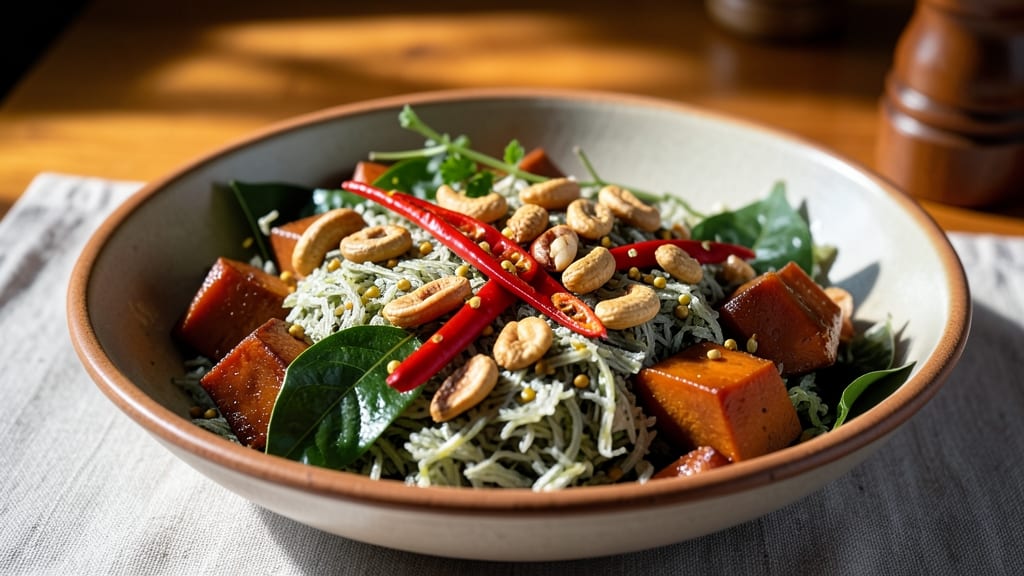
This sweet potato poha recipe transforms humble rice flakes into a crispy, aromatic breakfast that delivers restaurant-quality flavor in just 15 minutes. The secret lies in perfectly toasting the flakes until they puff up like golden clouds, then layering them with spiced sweet potatoes, peanuts, and fresh herbs.
I developed this version after realizing traditional poha could be elevated with a touch of sweetness—without sacrificing its signature crunch.
The magic happens in three simple steps: first, toasting the rice flakes until they're crispy and fragrant, then tempering mustard seeds and curry leaves for that signature Indian aroma, and finally folding in tender sweet potatoes and toasted peanuts.
What makes this recipe stand out is how it balances textures—crispy flakes, creamy sweet potatoes, and crunchy peanuts—while keeping prep under 15 minutes. It's the kind of dish that turns a simple breakfast into something special.
By the time you finish, you'll have a vibrant, flavor-packed plate that's perfect for breakfast or a light lunch. The sweet potatoes add natural sweetness that complements the savory spices, while the peanuts contribute a satisfying crunch.
This recipe stays true to traditional methods while offering a modern twist that's both comforting and exciting. Ready to make your own?
Serve it with a dollop of yogurt or a sprinkle of fresh cilantro for extra freshness. The best part? Every bite delivers that perfect combination of crispy, creamy, and aromatic flavors that make this dish unforgettable. Let's get started!
Ingredients for sweet potato poha
Golden rice flakes, spiced sweet potatoes, and crunchy peanuts—this breakfast delivers restaurant-quality crunch in 15 minutes.
| Ingredient | Amount | Notes |
|---|---|---|
| Poha (Rice Flakes) 🍚 | 2 cups | Thin, flat flakes preferred |
| Sweet Potatoes 🍠 | 1 ½ lbs | Medium, peeled and diced |
| Peanuts 🥜 | ½ cup | Roasted, unsalted for toasting |
| Mustard Seeds 🌿 | 1 tbsp | Whole, for tempering |
| Curry Leaves 🌿 | 10 whole | Fresh, dried if unavailable |
| Green Chilies 🌶️ | 2 whole | Slit lengthwise for heat |
| Asafoetida (Hing) 🌿 | ¼ tsp | Pinch for aroma |
| Turmeric Powder 🧂 | ¼ tsp | Freshly ground preferred |
| Cumin Seeds 🌿 | ½ tsp | Toasted for depth |
| Ghee 🧈 | 2 tbsp | Clarified butter for richness |
| Fresh Cilantro 🌿 | ¼ cup | Chopped, for garnish |
| Lemon Juice 🍋 | 1 tbsp | Freshly squeezed |
| Salt 🧂 | 1 tsp | Adjust to taste |
| Plain Yogurt 🥛 | ¼ cup | For serving, optional |
The poha flakes are non-negotiable—cheap, thin varieties from Indian grocery stores (like Patel Brothers or Apna Bazaar) puff up best. Look for brands like 24 Mantra or Bhagya for that signature texture. If you can't find them, rice vermicelli works in a pinch, though texture differs. Sweet potatoes should be firm and vibrant orange—avoid any with soft spots. For the peanuts, roast them yourself in a dry pan until fragrant; store-bought salted versions kill the crunch. The curry leaves are the soul of this dish—fresh is ideal, but dried leaves (sold in tiny packets at Indian markets) work at half the quantity.
No mustard seeds? Toasted cumin seeds at double the amount add warmth, though they lack the signature aroma. Short on ghee? Olive oil or coconut oil works, but ghee’s richness is worth the splurge—look for grass-fed options at specialty stores like Whole Foods or Trader Joe’s. The turmeric can be freshly ground (rub the root on a grater) for brighter flavor, but powdered is fine. Asafoetida (hing) is a must—its umami punch elevates everything. If you can’t find it, garlic powder at a quarter-teaspoon adds depth. For the sweet potatoes, microwave them 5 minutes before dicing to soften slightly—saves time without sacrificing texture.
Toast the poha flakes in small batches over medium heat—they burn fast—until they’re golden and puffed. Store any extras in an airtight container for up to 3 days, though they lose crispiness. The sweet potatoes keep 4 days in the fridge, but roast extra—they’re perfect cold in salads. Peanuts stay fresh 2 weeks in the pantry, but toast fresh before using. Garnish with cilantro right before serving—it wilts fast. This dish reheats beautifully—microwave 30 seconds with a damp paper towel to revive crispiness. Leftovers? Freeze for 1 month in portions for quick breakfasts.
Why You'll Love This Recipe
- No-Fuss Prep: I swear by this recipe when I’m too tired to chop much—just boil the sweet potatoes, peel and slice them, and toss them with the poha. The flakes soften in minutes, no stirring required.
- Craving-Worthy Crunch: That perfect balance of crispy peanuts, tender sweet potatoes, and the tangy pop of mustard seeds and curry leaves? It’s like a party in your mouth, but honestly, I eat it straight from the pan.
- Lunchbox Hero: Pack it cold for work or school—it stays fresh for days. My kids actually finish their lunches with this, and I’ve even brought it to potlucks (no one guessed it was just poha and sweet potatoes).
- Budget Magic: Sweet potatoes and rice flakes stretch forever, and a handful of peanuts adds protein without breaking the bank. I make a big batch on Sundays and eat it all week—zero waste, all flavor.
Step-by-step instructions for sweet potato poha
Here's how to transform simple ingredients into a crispy, flavor-packed breakfast in record time.
Prepare the Sweet Potatoes
Peel and dice the 1.5 lbs sweet potatoes into ½-inch cubes for even cooking. Place them in a pot of boiling water and cook for 8-10 minutes until they're fork-tender but still hold their shape—this prevents them from turning to mush later. Drain well and set aside.
While the sweet potatoes cook, rinse the 2 cups poha (rice flakes) under cold water for 1-2 minutes to remove excess starch. Drain thoroughly and spread them on a clean kitchen towel to dry completely. This step is crucial—wet poha will turn gummy instead of crispy. I like to gently pat them dry with another towel to ensure they're ready for toasting.
Toast the Poha and Peanuts
Heat a dry skillet over medium-high heat and add the 2 cups poha. Toast for 2-3 minutes, stirring constantly, until the flakes turn a beautiful golden brown and you can smell that nutty aroma. Remove from heat immediately—they'll keep cooking from residual heat.
In the same skillet (no need to clean it—the flavor is gold), add the 0.5 cup peanuts and toast for 1-2 minutes until fragrant and lightly browned. Remove both the poha and peanuts to separate bowls and set aside. The peanuts should be warm but not burned—just aromatic enough to add depth to your dish.
Temper the Spices
In the same skillet, add the 2 tbsp ghee and let it melt completely. Reduce heat to medium and add the 0.5 tsp cumin seeds. Let them sizzle for 30 seconds until they release their earthy aroma. Add the 1 tbsp mustard seeds and cook for another 30 seconds until they pop.
Next, add the 2 whole green chilies (slit lengthwise) and 10 whole curry leaves. Sauté for 30 seconds until the chilies soften slightly and the curry leaves turn fragrant. Sprinkle in the 0.25 tsp asafoetida (hing) and 0.25 tsp turmeric powder, stirring for 10 seconds to release their aromatic oils. This tempering step is the flavor foundation—don't rush it.
Combine and Cook
Add the cooked sweet potatoes to the skillet and toss gently to coat in the spiced ghee. Cook for 2-3 minutes on medium heat, stirring occasionally, until the sweet potatoes are heated through and the flavors meld together. Season with the 1 tsp salt and adjust to taste.
Now add the toasted poha and peanuts to the skillet. Gently toss everything together for 1-2 minutes until the poha absorbs all the flavors and the mixture becomes uniformly crispy. The dish should look vibrant with golden poha flakes and tender sweet potatoes. If it seems dry, add 1-2 tablespoons of water and toss again—just enough to moisten without making it soggy.
Finish and Serve
Remove the skillet from heat and stir in the 1 tbsp lemon juice and 0.25 cup chopped fresh cilantro. The lemon juice brightens all the flavors while the cilantro adds a fresh finish. Taste and adjust seasoning if needed—this is where you can really customize the heat level to your preference.
Serve immediately with the optional 0.25 cup plain yogurt on the side for dipping or topping. The contrast of cool yogurt against the warm, crispy poha is what makes this dish truly special. For extra crunch, sprinkle with additional toasted peanuts before serving. Enjoy this flavor-packed breakfast while it's hot!
Pro Tips For Making Sweet Potato Poha
- SOAK POHA UNTIL SOFT: Poha flakes need real time—at least 20 minutes in warm water, not just a quick rinse. I used to skip this, and the texture stayed chewy. Soak them until they’re pliable, then drain well, or they’ll turn mushy when you fry.
- PEEL SWEET POTATO AFTER COOKING: Peeling raw sweet potatoes is messy, and you’ll lose half the flavor. Boil them whole first, then slip off the skin while still warm—it peels like butter. This keeps the flesh intact and saves you from a sticky cutting board.
- CRACK PEANUTS IN A DRY PAN: No need for a mortar and pestle—just toast whole peanuts in a dry pan on medium heat for 3-4 minutes, shaking the pan constantly. They’ll crack open on their own, releasing that nutty aroma. Skip the blender unless you want powdered peanuts.
- TEMPER MUSTARD SEEDS LOW: Mustard seeds burn faster than you think. Start them in oil on the lowest heat setting, then gradually increase to medium. If they pop too soon, they’ll taste bitter—wait until the oil is shimmering before adding curry leaves. Patience here makes all the difference.
Pro cooking tips for this dish
Toast Poha Perfectly
Toast your 2 cups poha flakes in small batches over medium-high heat—they burn faster than you think! Stir constantly for 2-3 minutes until golden brown and fragrant. Remove immediately to prevent overcooking.
I use a 10-inch cast iron skillet for even heat distribution. Never skip rinsing the flakes first—this removes excess starch that causes gummy texture. 🔥
Spice Tempering Secrets
The tempering step is where all the magic happens. Bloom your cumin seeds for 30 seconds before adding mustard seeds—this prevents burning. Add asafoetida (hing) last for a savory depth that transforms the dish.
I like using fresh curry leaves for authentic aroma, but dried leaves work in a pinch. For extra heat, add 1 extra green chili (or ½ tsp red chili powder).
Sweet Potato Texture
Cook sweet potatoes until fork-tender but still firm—overcooking turns them mushy. I microwave them for 5 minutes before dicing to soften slightly, saving 3-4 minutes of boiling time.
For extra flavor, toss the cooked cubes with ½ tsp turmeric before adding to the skillet. The sweetness of the potatoes balances the spices beautifully. 🍠
Peanut Crunch Mastery
Toast peanuts in the same skillet as the poha—this transfers their flavor. Use unsalted peanuts for better crunch and toast until lightly browned (about 1-2 minutes). Store extra toasted peanuts in an airtight container for up to 2 weeks—they add crunch to salads or yogurt bowls too.
Lemon Juice Finish
Add lemon juice at the very end to brighten flavors and cut through richness. I squeeze 1 tbsp fresh lemon and adjust to taste—this is where you can customize heat (add ½ tsp cayenne if desired).
Garnish with cilantro right before serving—it wilts quickly. For extra tang, serve with yogurt on the side. ✨
Heat Control Tips
If your dish feels too dry, add 1-2 tbsp water and toss gently. For extra moisture, include ¼ cup coconut milk in the sweet potato cooking water. To reduce heat, remove 1 green chili or reduce asafoetida to ¼ tsp.
For smoky flavor, add ½ tsp smoked paprika during tempering. Always taste before serving! 🌶️
Nutrition facts
Frequently asked questions
Can I make sweet potato poha without peanuts?
Yes! If you're avoiding peanuts, try cashews or pumpkin seeds for crunch. Toast them for 1-2 minutes until fragrant and use ½ cup as a substitute. For extra protein, add ¼ cup crumbled feta cheese or tofu cubes during the final toss. The dish will still be delicious with these alternatives!
Why did my poha turn mushy instead of crispy?
This usually happens when you skip rinsing the poha or overcrowd the pan. Always rinse 2 cups poha for 1-2 minutes to remove starch, then dry thoroughly on a towel. Toast in small batches over medium-high heat—never low heat. If it's too late, try reviving it by spreading on a baking sheet and broiling for 2-3 minutes at 350°F.
What's the best way to store leftovers?
Store in an airtight container for up to 3 days in the fridge. To reheat, microwave for 30 seconds with a damp paper towel to restore crispiness. For longer storage, freeze portions for 1 month. The sweet potatoes may soften further when reheated, but the poha's texture stays surprisingly intact if handled gently.
Can I use regular potatoes instead of sweet potatoes?
You can, but the flavor will be different. Regular potatoes are starchier and less sweet, which changes the dish's balance. If using them, add ½ tsp cinnamon or ½ cup grated carrot to compensate for the missing sweetness. The texture will be similar, but the traditional sweet potato version has that unique caramelized depth that pairs perfectly with the spices.
How can I make this dish spicier?
Boost the heat by adding 1 extra green chili or ½ tsp red chili powder during tempering. For smoky depth, include ½ tsp smoked paprika with the cumin. After cooking, stir in ½ tsp cayenne pepper or 1 tsp sambar powder for complexity. Always taste before serving—you can adjust as needed!