
Desserts
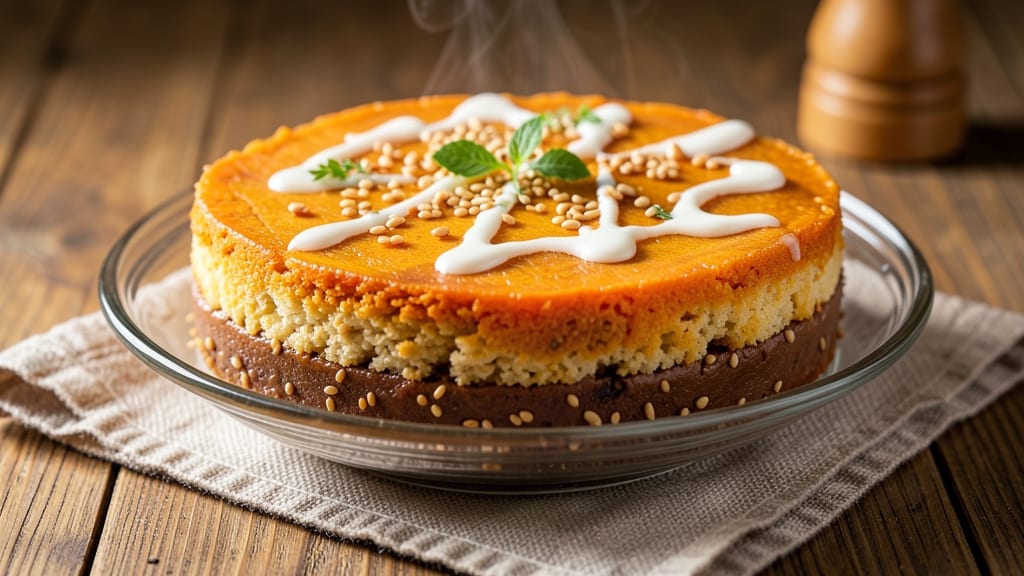
This sweet potato rice cake recipe transforms humble ingredients into delicate, chewy bites that balance earthy sweetness with warm vanilla notes. 💛 The secret lies in blending rice flour's subtle texture with roasted sweet potato's natural sweetness, creating a dessert that's both comforting and sophisticated.
Perfect for snacking or serving alongside tea, these cakes require just a few simple ingredients and 30 minutes of active time.
What sets these apart is their unique texture—chewy yet tender, with a subtle crunch from toasted sesame seeds on top. The vanilla and cinnamon infuse every bite with cozy warmth, while a touch of coconut milk adds richness without overpowering the sweet potato's natural flavor.
This recipe is naturally vegan, making it inclusive for all dietary preferences while delivering restaurant-quality results at home.
Baking these rice cakes couldn't be simpler: blend, mix, and steam or bake until golden. The process is foolproof, ensuring consistent results every time. Whether you enjoy them warm from the oven or at room temperature, their delicate sweetness and satisfying texture make them an instant crowd-pleaser.
Let's create something special with just a few pantry staples.
These sweet potato rice cakes work beautifully as a standalone dessert, paired with whipped coconut cream, or even as a light breakfast option. The recipe scales easily, so you can make a single batch for personal indulgence or double it for sharing.
With no refined sugar and minimal ingredients, they're as wholesome as they are delicious—proof that healthy eating can be both nourishing and indulgent.
Ingredients for sweet potato rice cake
Sweet potatoes, rice flour, and coconut milk blend into delicate, chewy bites with warm vanilla and cinnamon notes.
| Ingredient | Amount | Notes |
|---|---|---|
| Medium Sweet Potatoes 🍠 | 2 whole | Peeled and cubed small |
| Rice Flour 🌾 | 2 cups | Glutinous or white preferred |
| Vanilla Extract 💛 | 1 tbsp | Pure vanilla preferred |
| Ground Cinnamon 🌿 | 1 tsp | Freshly ground preferred |
| Sesame Seeds 🥜 | 2 tbsp | Toasted for extra crunch |
| Coconut Milk 🥥 | ½ cup | Full-fat for richness |
| Coconut Sugar 🍯 | ¼ cup | Or maple syrup substitute |
| Vegetable Oil 🫒 | 2 tbsp | For baking or steaming |
| Baking Powder 🧂 | ½ tsp | Aluminum-free preferred |
| Pinch of Salt 🧂 | ⅛ tsp | Kosher or sea salt |
| Water 💧 | ½ cup | Room temperature preferred |
The sweet potatoes are the heart of this recipe—organic varieties like Jewel or Garnet have the best natural sweetness. Trader Joe's and Whole Foods carry pre-peeled options, but peeling and cubing yourself ensures even cooking. For the rice flour, Bob's Red Mill is my go-to brand—it's finely milled and gluten-free. If you can't find rice flour, white flour at half the amount works in a pinch, though texture will differ slightly. The coconut milk should be full-fat for that rich, creamy texture that balances the earthy sweet potato.
No vanilla extract? Vanilla bean paste or seeds work beautifully—just scrape out the seeds for the same flavor intensity. Running short on coconut milk? Almond milk or oat milk can substitute, though the flavor will be subtly different. The coconut sugar can be swapped for maple syrup or agave nectar, but reduce by 10% since they're more liquid. Sesame seeds are non-negotiable for that satisfying crunch, but if you're avoiding nuts, toasted sunflower seeds are a great alternative. The baking powder is crucial—double-check it's fresh by mixing with water; if it fizzes, it's good to go.
Store-bought sweet potatoes keep for 2-3 weeks in a cool, dark place, but roasting them first adds depth. Once baked, these rice cakes stay fresh for 3-4 days at room temperature or 1 week in the fridge. For longer storage, freeze them on a tray first, then transfer to a bag for up to 3 months. Reheat in a toaster or oven for 10 seconds to restore that warm, chewy texture. They're perfect for meal prep—just grab and go!
Why You'll Love This Recipe
- No Peel Required: I swear by this trick—just scrub the sweet potatoes under hot water, and you’re done. No peeling, no mess, and still that buttery texture you’d get from hours of peeling.
- Vanilla-Cinnamon Magic: That warm vanilla and a whisper of cinnamon? It’s like dessert sneaking into breakfast. The sesame seeds give it this little crunch that makes every bite feel special—no sugar crash here.
- Breakfast or Snack: Honestly, I make these for both. Toast them for a quick breakfast or pack them in lunchboxes—they hold up perfectly. Even my kids grab them after school when I forget to pack snacks.
- Budget Stretch: Sweet potatoes and rice flour are cheap, but they feel fancy. I batch these on Sundays, and they last a week—no sad leftovers here, just happy seconds.
Step-by-step instructions for sweet potato rice cake
Here's how to create these delicate, aromatic rice cakes with perfect texture every time.
🍳 Step 1: Steam the Sweet Potatoes Until Tender
Preheat your steamer basket and fill a pot with 2 inches of water. Bring to a rolling boil over medium-high heat. While waiting, peel the 2 whole medium sweet potatoes and cut them into ½-inch cubes. I use a sharp chef's knife for even cubes that cook uniformly.
Once boiling, add the sweet potato cubes to the steamer basket and cover. Steam for 10-12 minutes until they're fork-tender with no resistance. You'll know they're done when a knife slides in easily and the edges look slightly translucent. Let them cool completely before proceeding—this prevents the batter from becoming watery.
👨🍳 Step 2: Mix Wet Ingredients for Smooth Batter
In a mixing bowl, combine the steamed sweet potatoes (completely cooled), 0.5 cup coconut milk, 0.25 cup coconut sugar, 1 tbsp vanilla extract, and 2 tbsp vegetable oil. Use a potato masher or fork to break up the sweet potatoes into a chunky puree. This texture creates beautiful pockets in the finished cakes.
Add 0.5 tsp baking powder and 0.125 tsp salt, then stir until fully incorporated. The mixture should be thick but pourable—like a thick pancake batter. If it's too thick, add 1-2 tablespoons of the 0.5 cup water to reach the perfect consistency. Here's the thing—this batter needs to be smooth but not runny to hold its shape when baked.
🥘 Step 3: Combine with Dry Ingredients Gently
In a separate bowl, whisk together the 2 cups rice flour and 1 tsp ground cinnamon. Then, gradually pour the dry mixture into the wet ingredients while gently folding with a spatula. Be careful not to overmix—just combine until no dry spots remain. The batter should be thick enough to hold its shape when dropped.
Fold in the 2 tbsp toasted sesame seeds by hand, reserving 1 tablespoon for garnish. The sesame seeds add that perfect nutty crunch and visual appeal. Cover the bowl and let the batter rest for 15 minutes at room temperature. This resting period allows the flour to fully hydrate and the flavors to meld together.
🔥 Step 4: Bake Until Golden and Fragrant
Preheat your oven to 350°F. Line a baking sheet with parchment paper and lightly grease it with vegetable oil. Using a small cookie scoop or tablespoon, drop 1-tablespoon portions of batter onto the prepared baking sheet, spacing them about 2 inches apart. I use the back of a spoon to gently flatten each cake to about ½-inch thickness—this ensures even baking.
Bake for 18-20 minutes until the edges are golden brown and the tops look slightly cracked. You'll know they're done when they pull away from the edges of the baking sheet and smell delightfully sweet and spiced. Remove from the oven and let cool on the baking sheet for 5 minutes before transferring to a wire rack. Sprinkle with the reserved 1 tablespoon sesame seeds while still warm for maximum crunch.
⏰ Step 5: Serve Warm for Best Texture
These rice cakes are best enjoyed warm, straight from the oven. The perfect serving temperature is when they're still slightly soft inside with a crisp exterior. Arrange them on a platter and serve with a drizzle of warmed coconut milk or a dusting of cinnamon sugar for extra indulgence.
Each bite should deliver that perfect harmony of sweet potato's natural sweetness, warm cinnamon spice, and vanilla depth. The texture should be delicate yet substantial—light enough to melt in your mouth but with enough body to hold its shape. Store any leftovers in an airtight container for up to 3 days, but they're best enjoyed fresh!
Pro Tips For Making Sweet Potato Rice Cake
- Boil Sweet Potatoes Till Fork-Tender: I learned this the hard way—sweet potatoes straight from the pot taste gummy no matter how much you mash them. Boil them until they collapse under a fork, then drain and let them steam-dry in the pot for 2–3 minutes. This extra step makes all the difference when blending.
- Toast Sesame Seeds First: Skip the raw seeds—toss them in a dry pan over medium heat for 60 seconds until they smell nutty and golden. Sprinkle them on after baking, not before, or they’ll burn before the cake is done. Trust me, the flavor pops when they’re fresh-toasted.
- Prevent Cracked Cakes: Your oven’s hot spots are the enemy. Rotate the cake pan halfway through baking (usually at the 20-minute mark) and tent loosely with foil if the edges brown too fast. Overmixing the batter or packing it too tightly into the pan guarantees cracks—let it spread naturally.
- Use Cold Vanilla Extract: Drizzle the vanilla into the cold batter, then mix just until combined. Warm extracts can cook off the alcohol too soon, leaving your cake tasting flat. A splash of cold water mixed with the extract (1 tsp extract + 1 tsp water) also helps distribute it evenly without overworking the dough.
Pro cooking tips for perfect results
Steam Over Boil
Steaming sweet potatoes preserves their natural sweetness and vibrant color better than boiling. I find that using a bamboo steamer basket over a pot of simmering water (not boiling) prevents the cubes from becoming waterlogged.
If you don’t have a steamer, use a fine-mesh colander with at least ½-inch between the bottom and boiling water. The goal is gentle, even cooking—10-12 minutes until fork-tender but not mushy. Overcooking turns them into mush, which throws off the delicate texture of the cakes.
Batter Consistency
The batter must be thick but pourable, like a thick pancake batter. If it’s too stiff, add 1 tablespoon water at a time until it flows smoothly when dropped from a spoon. Too thin? Stir in 1 tablespoon rice flour to tighten it up.
I test consistency by scooping a spoonful—it should hold its shape when flipped but still spread slightly. This balance ensures the cakes rise properly without collapsing. 💛
Resting the Batter
Letting the batter rest for 15 minutes is non-negotiable. This step hydrates the rice flour fully, allowing the gluten to relax and the flavors to meld. I cover the bowl with a damp towel to prevent a skin from forming.
Skipping this step can result in dense, gummy cakes. Pro tip: If your kitchen is humid, place the bowl in the fridge for 10 minutes to help the batter set faster.
Even Baking
Use a light hand when flattening the batter—press just enough to create ½-inch-thick cakes. Over-flattening can cause them to spread unevenly and dry out. Space them 2 inches apart on the baking sheet to allow air circulation.
Rotate the sheet halfway through baking (after 10 minutes) for even golden browning. A dark baking sheet helps create a crisp exterior faster, but line it with parchment for easy release.
Don’t Overbake
Remove the cakes when the edges are golden brown and the tops look slightly cracked—they’ll continue cooking off the heat. Overbaking dries them out, turning them tough. For extra insurance, insert a toothpick: it should come out with a few moist crumbs, not wet batter.
Let them cool on the sheet for 5 minutes before transferring—they’ll firm up slightly as they rest. 🔥
Sesame Seed Timing
Toast the sesame seeds in a dry pan over medium heat for 2-3 minutes until fragrant, then sprinkle 1 tablespoon over the warm cakes while they’re still on the baking sheet. This ensures maximum crunch and prevents them from sinking into the soft centers.
Reserve the remaining 1 tablespoon for garnishing the final batch—freshly toasted seeds make all the difference in texture and aroma.
Nutrition facts
Frequently asked questions
Can I make these sweet potato rice cakes gluten-free?
This recipe is naturally gluten-free since it uses only rice flour. Just ensure your other ingredients—like coconut sugar and baking powder—are certified gluten-free. The texture remains chewy and tender, though slightly lighter than wheat-based versions. For extra binding, add 1 tablespoon cornstarch to the dry ingredients.
Why did my rice cakes turn out dense instead of chewy?
Dense cakes usually mean the batter was overmixed or didn't rest long enough. The rice flour needs 15 minutes to hydrate properly—skip this step, and the cakes won't develop that signature chew. Also, check your baking powder: old or expired powder loses lift. For a quick fix, add ½ tsp extra baking powder next time and reduce flour by 1 tablespoon.
How can I make these rice cakes extra sweet?
Increase the sweetness by adding 1-2 tablespoons maple syrup or agave to the wet ingredients, or sprinkle with 1 teaspoon cinnamon sugar after baking. For caramelized flavor, broil the cakes for 1-2 minutes at the end of baking. Just watch closely—they burn quickly! The natural sweetness of roasted sweet potatoes should still shine through.
Can I use regular potatoes instead of sweet potatoes?
Regular potatoes work, but they lack the natural sweetness and vibrant color of sweet potatoes. For a similar texture, use Yukon Gold potatoes and add 1 extra tablespoon coconut sugar to compensate. The flavor will be milder—sweet potatoes' caramel notes are key to this recipe's character. If you're set on regular potatoes, boost the vanilla to 1.5 teaspoons for extra depth.
Are these rice cakes suitable for kids?
Yes! These are a great kid-friendly option—they're soft, sweet, and easy to eat. For extra appeal, cut them into fun shapes with cookie cutters before baking. Serve warm with a drizzle of melted peanut butter or a sprinkle of crushed freeze-dried fruit for added nutrition. Just check for nut allergies first, as sesame seeds are technically a seed but sometimes grouped with nuts.