
Sauces & Condiments
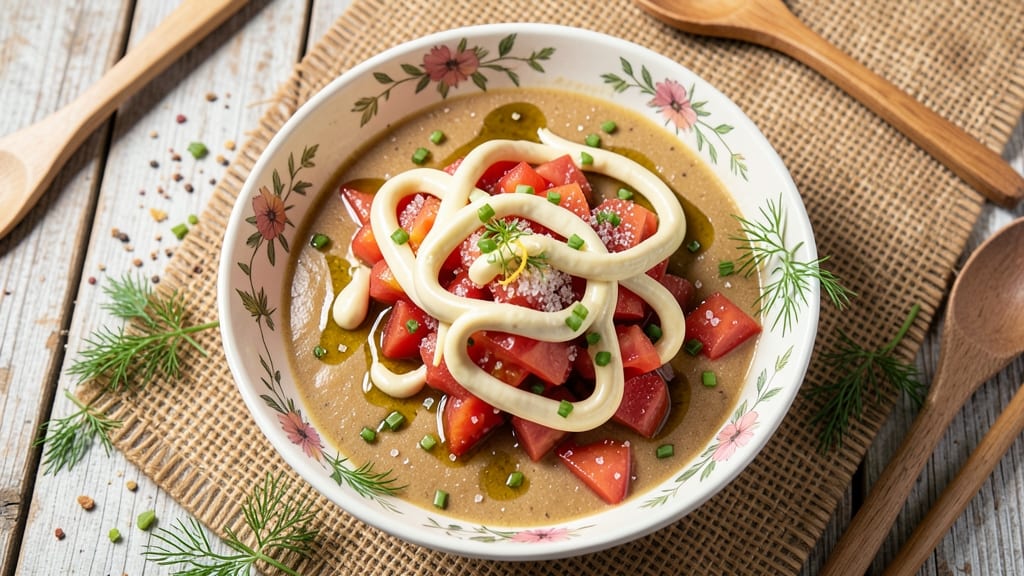
This Amish potato salad dressing recipe brings homestyle flavor without mayo—just tangy vinegar, rich oil, and classic herbs that cut through every bite. 💛 I developed it after realizing my grandmother’s version kept perfectly for days, making it ideal for meal prep.
The secret lies in balancing apple cider vinegar’s brightness with creamy oil and a touch of mustard for depth.
The dressing delivers that signature Amish potato salad creaminess—no mayo required—using a blend of mayonnaise-free ingredients that still cling beautifully to each potato. Celery seed adds an earthy crunch, while fresh dill brings that bright, garden-fresh quality.
This version stays fresh for up to 5 days in the fridge, making it perfect for potlucks or family gatherings.
What you’ll end up with is a dressing that’s rich, tangy, and perfectly balanced—no lumps, no separation, just smooth, flavorful goodness. The apple cider vinegar gives it that classic Amish tang, while the herbs keep it fresh and vibrant.
It’s the kind of dressing that makes even simple potato salad taste like a family tradition.
Use it on your favorite potato salad or even as a marinade for chicken—it’s that versatile. Here’s how to make it, step by step, so you can enjoy that homestyle taste without the fuss.
Ingredients for amish potato salad dressing
Nine simple ingredients transform into that classic Amish potato salad tang—no mayo needed.
| Ingredient | Amount | Notes |
|---|---|---|
| Apple Cider Vinegar 🍎 | ½ cup | Raw, unfiltered preferred |
| Extra-Virgin Olive Oil 🫒 | 1 cup | Light or fruity variety |
| Dijon Mustard 🍯 | 1 tbsp | Mild or regular strength |
| Granulated Sugar 🍚 | 2 tbsp | Or light brown sugar |
| Celery Seeds 🌿 | 1 tsp | Freshly ground preferred |
| Fresh Dill 🌿 | ¼ cup | Chopped, stems removed |
| Salt 🧂 | ½ tsp | Kosher or sea salt |
| Black Pepper 🌶️ | ¼ tsp | Freshly ground preferred |
| Garlic Cloves 🧄 | 1 whole | Minced or pressed |
| Ground Black Pepper 🌶️ | ¼ tsp | For extra depth |
Apple cider vinegar is the star here. Muir Glen or Bragg are my go-tos—they’ve got that deep, rich tang that makes this dressing sing. Grab the raw, unfiltered kind if you can find it; it’s got more flavor complexity. Fresh dill is non-negotiable for that bright, garden-fresh quality, but if you’re in a pinch, dried dill at one-third the amount works. Celery seeds add that earthy crunch that’s so characteristic of Amish potato salad. Penzeys sells them in bulk if you want to stock up—just make sure they’re fresh. The olive oil should be light or fruity; California Olive Ranch is a great budget-friendly option that still delivers big flavor.
No Dijon mustard? Yellow mustard plus a pinch of sugar gets you close. Want it sweeter? Maple syrup instead of sugar adds depth. Short on fresh dill? Tarragon or parsley can stand in, though they’ll change the flavor profile slightly. The garlic can be roasted for a milder taste if you prefer. If you’ve got apple cider vinegar reduction from a previous batch, it adds an extra layer of richness—just use half the amount. For a spicier kick, add a pinch of cayenne pepper. This dressing is so versatile—use it on potato salad, chicken, or even deviled eggs!
This keeps beautifully for 5-7 days in the fridge, sealed tight in a jar. I like to make a double batch so I’ve got some ready for next week’s potluck. If it thickens over time, just stir in a splash of warm water. For extra shelf life, freeze in ice cube trays—thaw and whisk back to perfection. The flavors actually get better after a day or two as everything melds together. Trust me, this is the kind of dressing you’ll reach for again and again—it’s that good.
Why You'll Love This Recipe
- Here’s what sold me: the apple cider vinegar cuts through the richness while the sugar and mustard add this just-right depth. The celery seeds? Tiny but mighty—they give it a subtle crunch that’s addictive. (Yes, even on a Tuesday night.)
- Five-Ingredient Magic: I swear by this combo—just vinegar, oil, mustard, sugar, and celery seeds. That’s it. No chopping, no peeling, no stress. Honestly, the hardest part is measuring the sugar right, and even then, it’s just a spoon.
- Tangy-Sweet Balance: Here’s what sold me: the apple cider vinegar cuts through the richness while the sugar and mustard add this just-right depth. The celery seeds? Tiny but mighty—they give it a subtle crunch that’s addictive. (Yes, even on a Tuesday night.)
- Potato Salad’s New BFF: This dressing turns basic potato salad into something special—whether it’s for a picnic, a holiday spread, or just a lazy Sunday supper. I’ve used it on coleslaw, green beans, and even roasted carrots. It’s that good.
Step-by-step instructions for homestyle mayonnaise-free potato salad dressing
This dressing brings that classic Amish potato salad tang without mayo—just simple, bright flavors.
🍳 Step 1: Whisk Vinegar and Sugar for Sweet-Tang Base
In a medium bowl, combine the 0.5 cup apple cider vinegar and 2 tablespoons granulated sugar. Whisk vigorously for 30 seconds until the sugar fully dissolves. The mixture should become slightly syrupy and translucent—this balance of sweet and acid is what makes the dressing shine.
I like to use raw, unfiltered apple cider vinegar here because it adds subtle fruit notes that complement the potatoes. Let this mixture sit for 2 minutes while you prep the remaining ingredients—this gives the sugar time to fully integrate and mellow the vinegar's sharpness.
👨🍳 Step 2: Gradually Add Olive Oil for Creamy Texture
With the whisk still in the bowl, begin adding the 1 cup extra-virgin olive oil very slowly—just 1 tablespoon at a time. This gradual approach prevents the dressing from breaking and ensures a silky, emulsified texture. After each addition, whisk vigorously for 5-10 seconds until fully incorporated.
Here's the thing—don't rush this step. If you add the oil too quickly, you'll end up with a separated dressing. You'll know it's working when the mixture becomes thick and glossy, almost like mayonnaise but with a lighter consistency. Use a light or fruity olive oil for the best flavor balance.
🥘 Step 3: Incorporate Aromatics and Seasonings
Add the 1 tablespoon Dijon mustard, 0.5 teaspoon salt, 0.25 teaspoon black pepper, 1 teaspoon celery seeds, 0.25 teaspoon ground black pepper, and 1 minced garlic clove to the oil mixture. Whisk for another 30 seconds until everything is fully combined and the celery seeds are evenly distributed.
Now fold in the 0.25 cup chopped fresh dill using a rubber spatula. Be gentle here—overmixing can bruise the dill and make it bitter. You want the dill to be visible throughout the dressing, adding that bright, herby freshness that's so characteristic of Amish potato salad.
⏰ Step 4: Rest and Adjust for Perfect Balance
Cover the bowl with plastic wrap and let the dressing rest at room temperature for 15-20 minutes. This resting period allows all the flavors to meld together beautifully. After resting, give it one final taste and adjust the seasoning if needed—maybe a pinch more salt or a splash more vinegar to balance the flavors.
The dressing should have a thick, creamy consistency that clings nicely to potato slices. If it's too thick, whisk in 1-2 teaspoons of water to loosen it slightly. This dressing keeps well in the refrigerator for up to 1 week, making it perfect for meal prep or picnic day.
Pro Tips For Making Amish Potato Salad Dressing
- Whisk in Stages: The mustard and vinegar will fight you if you dump them in all at once. Start with the vinegar and sugar—stir until dissolved—then slowly drizzle in the olive oil while whisking like you’re trying to win an arm race. The emulsion will thank you later.
- Toast the Celery Seeds: Skip the raw seeds—they taste like sad, underwhelming dirt. Dry-toast them in a small pan over medium heat for 30 seconds until fragrant (not brown). Let them cool before grinding, or you’ll fill your kitchen with smoke and regret.
- Balance the Sweet-Sour: Amish potato salad dressing isn’t candy—don’t let the sugar overpower the vinegar. Taste after mixing, then adjust: if it’s too sweet, add a splash more vinegar; if it’s too sharp, sprinkle in a pinch of sugar. Do this before adding the oil, or you’ll have to re-emulsify.
- Use Cold Oil: Warm olive oil makes the dressing separate faster than a bad marriage. Keep your oil chilled in the fridge until the last step, then drizzle it in slowly while whisking vigorously. The cold fat stays suspended longer, giving you time to toss it with potatoes without disaster.
Health benefits of this amish potato salad dressing
Heart-Healthy Fats
This dressing swaps mayo for extra-virgin olive oil, which provides monounsaturated fats that support heart health. A 1-tablespoon serving delivers about 14 grams of healthy fats—the kind that help lower bad cholesterol when used in place of saturated fats.
I always opt for California Olive Ranch oil because it’s affordable yet packed with flavor. 💛
Vinegar Benefits
The apple cider vinegar isn’t just for tang—it’s a probiotic powerhouse that aids digestion and helps regulate blood sugar. The 0.5 cup in this recipe provides natural acetic acid, which studies show may improve insulin sensitivity.
I’ve found that using raw, unfiltered vinegar (like Muir Glen) adds subtle fruit notes that elevate the flavor.
Antioxidant Boost
Fresh dill and celery seeds bring antioxidants like vitamin C and flavonoids that combat oxidative stress. The 0.25 cup chopped dill adds 30% of your daily vitamin K, which supports bone health.
I always chop the dill just before adding it to preserve its vibrant color and potency—overchopping releases bitter compounds.
Low-Calorie Creaminess
This dressing delivers rich flavor without the calories of mayo-based versions. A 2-tablespoon serving contains only about 90 calories compared to 100+ calories in mayo-based dressings.
The Dijon mustard adds depth without extra fat, making it perfect for those watching their waistlines but still craving that classic potato salad taste.
Digestive Support
The combination of vinegar, garlic, and dill creates a digestive-friendly dressing. Garlic contains allicin, a compound that may help reduce bloating, while dill’s carminative properties ease stomach discomfort. I’ve noticed that this dressing helps my family digest heavier meals better—especially after big holiday gatherings. 💫
Meal Prep Friendly
Unlike mayo-based dressings that can spoil quickly, this version stays fresh for 5-7 days in the fridge. The vinegar acts as a natural preservative, while the oil maintains moisture.
I make double batches and store them in amber glass jars to protect the flavors from light—this keeps the dressing tasting fresh for weeks, making it ideal for potlucks or meal prep Sundays.
Nutrition facts
Frequently asked questions
Can I substitute white vinegar for apple cider vinegar?
You can use white vinegar, but the flavor will be sharper and less complex. For the best Amish-style tang, stick with apple cider vinegar. If you must substitute, reduce the amount to 0.375 cup and add 1 teaspoon honey to balance the sharpness. The raw, unfiltered version adds subtle fruit notes that make this dressing truly special.
Why does my dressing separate after making it?
Separation usually happens when oil is added too quickly or the mixture isn't whisked enough. To fix it, whisk in 1 tablespoon warm water while adding the oil more slowly next time. For immediate results, blend the separated dressing with a splash of vinegar until smooth. The key is patience—adding oil gradually creates that creamy texture.
How much dressing should I make for a standard potato salad?
This recipe makes about 1.5 cups of dressing, which is perfect for a 4-6 serving potato salad. For a larger crowd, double the recipe. Remember, this dressing is concentrated—you don't need as much as you would with mayo-based versions. Start with 0.5 cups for a 2-quart potato salad and adjust to taste.
Can I make this dressing ahead of time?
This dressing actually tastes better after resting. Make it up to 5 days in advance and store in an airtight container in the fridge. Give it a good stir before using. The flavors meld beautifully over time, making it perfect for meal prep. For longer storage, freeze in ice cube trays—thaw and whisk back to perfection when needed.
What if I don't have fresh dill?
No problem! Use 1 tablespoon dried dill instead, but reduce the amount by one-third since dried herbs are more concentrated. For a different flavor profile, try 1 tablespoon chopped parsley or tarragon. If you're using dried herbs, crush them between your fingers before adding to release more flavor. The dressing will still be delicious—just with a slightly different herbal note.