
Desserts
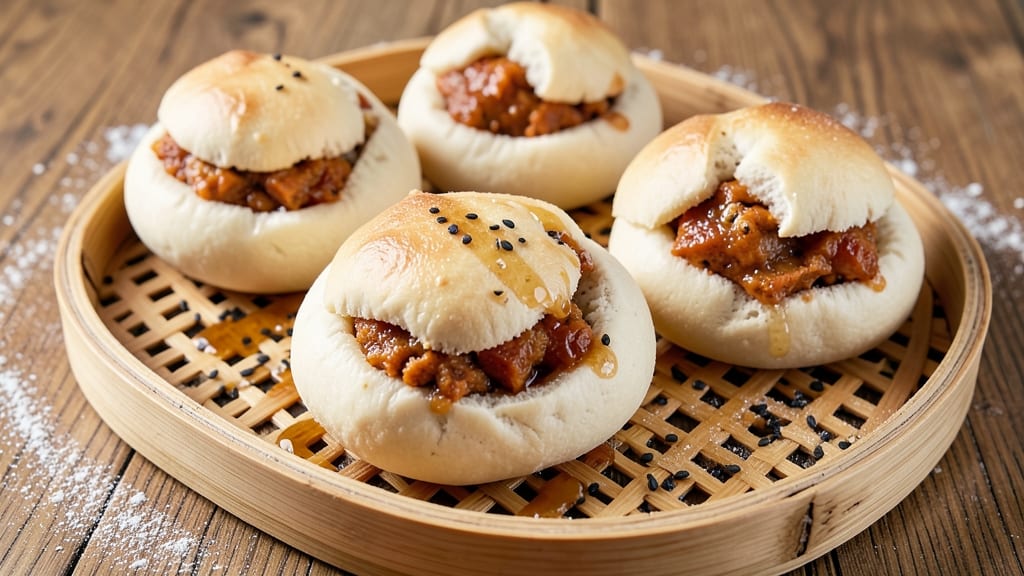
This sweet potato steamed bun recipe transforms humble ingredients into golden, fragrant buns with a tender interior and caramelized sweet potato filling—perfect for breakfast or dessert. 💛 The secret lies in a delicate balance of yeasted dough and perfectly seasoned filling, steamed to achieve that signature soft, cloud-like texture.
Unlike traditional buns, these combine the warmth of sweet potato with the comforting pillowy bite of steamed bread, creating a dish that feels both nostalgic and refined.
What sets these apart is the method: a gentle steam bath that coaxes the dough into fluffy perfection while the sweet potato filling develops deep, caramelized notes. No special equipment is needed—just a steamer and patience for the dough to rise properly.
The filling, a blend of mashed sweet potato, sugar, and warm spices, infuses the buns with natural sweetness that doesn’t overpower the dough’s subtle flavor. This recipe is also adaptable; omit the butter for a vegan-friendly version, or add a touch of cinnamon for extra warmth.
The result is a batch of buns that are impossibly soft on the inside and just slightly crisp at the edges, with filling that’s tender yet flavorful. Each bite delivers a harmony of textures and temperatures—warm, fragrant dough contrasting with the creamy, slightly caramelized sweet potato.
These buns are ideal for breakfast with butter and jam, a light dessert with honey, or even a festive treat for gatherings. The process is straightforward, but the outcome feels like a labor of love.
Whether you’re a seasoned baker or new to steamed buns, this recipe delivers foolproof results with minimal fuss. The key is letting the dough rest and the filling develop its flavor before steaming—patience ensures the best texture and taste.
Once mastered, you’ll find yourself reaching for this recipe time and again, turning simple ingredients into something extraordinary.
Ingredients for sweet potato steamed bun
Fourteen simple ingredients create golden, fragrant steamed buns with caramelized sweet potato filling.
| Ingredient | Amount | Notes |
|---|---|---|
| All-Purpose Flour 🌾 | 3 ½ cups | Unbleached, for tender dough |
| Granulated Sugar 🍚 | ¼ cup | White or brown preferred |
| Active Dry Yeast 🍞 | ¼ oz | Or 2 1/4 tsp (1 packet) |
| Unsalted Butter 🧈 | ½ cup | Cold, cubed for dough |
| Large Eggs 🥚 | 1 whole | Room temperature for best mixing |
| Whole Milk 🥛 | ½ cup | Warmed to room temperature |
| Medium Sweet Potatoes 🍠 | 2 whole | Peeled, cooked and mashed |
| Brown Sugar 🍚 | ¼ cup | Packed, for filling sweetness |
| Ground Cinnamon 🌿 | 1 tsp | For warm spice notes |
| Ground Nutmeg 🌿 | ¼ tsp | Freshly grated preferred |
| Salt 🧂 | ½ tsp | Kosher or sea salt |
| Vanilla Extract 🥄 | 1 tsp | Pure vanilla preferred |
| Water 💧 | ¼ cup | For yeast activation |
The sweet potatoes make all the difference here—orange-fleshed varieties like Jewel or Beauregard yield the best texture and color. Whole Foods or local farmers' markets often carry these varieties, but any medium-sized sweet potato works. Peeled, boiled until tender, and mashed smooth, they form the heart of these buns. For the dough, King Arthur flour is my go-to for consistent results, but any unbleached all-purpose will do. The yeast needs to be fresh—test it by dissolving in warm water with a pinch of sugar; if it foams within 5 minutes, it's active.
No brown sugar? White sugar plus a dash of molasses works in a pinch. Want extra warmth? Add 1/4 tsp cardamom to the filling. The butter matters—cold cubes create flaky layers, but don't skip it entirely if you're vegan (use coconut oil instead). For the dough, warm milk activates the yeast faster than cold. The filling can be prepped ahead and stored in the fridge for 2 days—just reheat before filling the buns. If you're short on time, instant mashed sweet potato from a can saves 30 minutes of cooking.
These buns keep best in an airtight container at room temperature for 2 days, though they're best enjoyed fresh. For longer storage, freeze unsteamed buns on a tray before transferring to a bag—3 months in the freezer. Reheat frozen buns in a steamer for 10-12 minutes until warm through. The filling can be made 1 day ahead and stored separately. For a restaurant-quality touch, brush the tops with egg wash before steaming—they'll turn a gorgeous golden brown.
Why You'll Love This Recipe
- No Yeast Struggles: I’ve made buns that took hours to rise—this one’s different. Just mix the warm butter into the flour, sugar, and yeast, then let it sit while you prep the filling. No waiting around for dough to puff up like a science experiment.
- Sweet-Potato Magic: That first bite? Pure comfort. The natural sweetness of the steamed sweet potato (think: soft, custard-like center) pairs perfectly with the buttery dough—like a hug in bun form. Honestly, I’ve never met a filling that didn’t make these disappear faster than my willpower.
- Breakfast or Dessert: Make them for brunch with a schmear of cream cheese, or save them for dessert with a drizzle of honey. They reheat beautifully, so I’ve used them to pack lunches, feed a crowd at potlucks, or even as a quick snack when my kids come home starving. (Yes, even on a Tuesday night.)
- Budget-Friendly Stretch: Flour, sugar, butter, and eggs? Pantry staples that won’t break the bank. Plus, the dough keeps well—double it, freeze half, and pull it out when you need a fresh batch. I’ve turned a $5 bag of sweet potatoes into enough filling for a dozen buns that’ll feed my whole family.
Step-by-step instructions for sweet potato steamed buns
Master the art of tender dough and fragrant filling for buns that balance sweetness and pillowy texture.
👨🍳 Step 1: Activate the Yeast and Prepare the Dough Base
In a small bowl, combine the 0.25 cup water with 0.25 cup granulated sugar and 0.25 oz active dry yeast. Let it sit for 5-10 minutes until frothy—this confirms the yeast is alive and ready to work. If it doesn't bubble, your buns won't rise properly.
In a large mixing bowl, whisk together the 3.5 cups all-purpose flour, 0.5 tsp salt, and 1 tsp vanilla extract. Create a well in the center and pour in the yeast mixture along with the 0.5 cup whole milk and 1 large egg. Mix until a shaggy dough forms, then add the 0.5 cup cold unsalted butter, cubed. Use your hands to work the butter into the dough until it becomes smooth and elastic.
🥘 Step 2: Knead and Rest the Dough for Maximum Flavor
Turn the dough onto a lightly floured surface and knead for 8-10 minutes until it's smooth and slightly springy. This step develops gluten, which gives the buns their signature pillowy texture. If the dough feels sticky, add just enough flour to make it manageable—but don't overdo it, or the buns will be dense.
Shape the dough into a ball, place it back in the bowl, and cover with a damp towel. Let it rise in a warm place for 1-2 hours, or until it has nearly doubled in size. The dough should feel light and airy when pressed gently. This resting period allows the gluten to relax and the yeast to ferment, creating flavor and structure.
🍳 Step 3: Prepare the Sweet Potato Filling
While the dough rises, cook the 2 medium sweet potatoes by boiling them whole for 45-60 minutes until tender. Drain, peel, and mash them until smooth. In a separate bowl, mix the mashed sweet potatoes with 0.25 cup brown sugar, 1 tsp ground cinnamon, and 0.25 tsp ground nutmeg. The filling should be thick but spreadable—adjust the sweetness if needed.
Set the filling aside and preheat your steamer or a large pot with a bamboo steamer insert over medium-high heat. Line the steamer with parchment paper or a clean kitchen towel to prevent sticking. This preparation ensures your buns will steam evenly and develop that signature caramelized sweetness.
🥘 Step 4: Shape and Fill the Buns
Punch down the risen dough to release any air bubbles, then divide it into 4 equal portions (about 1 cup each). Roll each portion into a 12-inch circle, about 1/8-inch thick. Spoon 1/4 of the sweet potato filling onto one half of each circle, then fold the dough over to encase the filling completely. Seal the edges by pinching them gently with your fingers.
Place the sealed buns seam-side down in the prepared steamer, spacing them evenly. Cover the steamer and steam over medium-high heat for 15-20 minutes, until the buns are golden brown and the dough feels light when pressed. Avoid lifting the lid during steaming—this disrupts the heat and can cause the buns to collapse.
⏰ Step 5: Rest and Serve for Perfect Texture
Remove the buns from the steamer and let them cool on a wire rack for 5-10 minutes. This resting period allows the filling to set slightly and the buns to firm up, making them easier to slice. Cut each bun in half horizontally to reveal the caramelized sweet potato filling oozing out—this is the moment you've been waiting for.
Serve the buns warm, ideally with a dusting of powdered sugar or a drizzle of honey. The contrast between the soft, fluffy dough and the warm, spiced sweet potato filling creates a harmonious balance of textures and flavors. Store any leftovers in an airtight container for up to 2 days, though they're best enjoyed fresh from the steamer.
Pro Tips For Making Sweet Potato Steamed Bun
- Proof at Room Temp: I learned this the hard way—yeast loves consistency, so skip the fridge. Let your dough rise in a warm spot (75–80°F) for 1–1.5 hours instead of rushing it in the oven. Cold spots slow fermentation, and that means dense, flavorless buns. (Yes, even if you're impatient like me.)
- Cut Butter Cold: Don’t let that butter soften before mixing—cut it into tiny cubes and work it into the flour like you’re making pie dough. Cold butter creates flaky layers in the bun’s dough, while warm butter just melts into a sticky mess. Trust the process.
- Steam Before Filling: Steam the buns first, then fill them with sweet potato. If you stuff them raw, the filling will leak out like a sad, runny dream. A quick 8–10 minute steam session firms up the dough enough to hold its shape—no more collapsed buns.
- Sugar in Stages: Don’t dump all the sugar at once. Mix half into the dough first, then add the rest with the sweet potato filling. Too much upfront makes the dough gummy; spreading it out balances sweetness and texture. (Your future self will thank you.)
Pro cooking tips for perfect results
Yeast Activation
Never skip testing your yeast—dissolve the 0.25 oz active dry yeast in 0.25 cup warm water with 1 tsp sugar and wait 5-10 minutes for frothy bubbles. If nothing happens, your yeast is dead and must be replaced.
I keep a small jar of yeast in the fridge to ensure freshness—it lasts 2-3 months this way. For extra flavor, add ½ tsp vanilla extract directly to the yeast mixture before mixing into the dough. 💡
Dough Texture Secrets
Cold butter creates flaky layers, but don't overwork the dough—knead just until smooth (8-10 minutes). If your kitchen feels cold, let the dough rise in a slightly warm spot (like near the oven with the light on).
For extra tenderness, replace ¼ cup of the all-purpose flour with ¼ cup cake flour. The dough should be soft but not sticky; if it's too wet, add 1 tbsp flour at a time until it pulls away cleanly from the bowl. ✨
Sweet Potato Filling
Roast the sweet potatoes instead of boiling for deeper flavor—toss peeled halves with 1 tbsp olive oil, ½ tsp salt, and ¼ tsp cinnamon, then roast at 400°F for 45 minutes. For a smoother filling, mash with a potato ricer instead of a fork.
Adjust sweetness by tasting before mixing with dough—¼ cup brown sugar is a good starting point, but roasted potatoes often need less. 🍠
Steaming Perfection
Use a bamboo steamer with parchment paper for even steaming—this prevents sticking and ensures golden-brown tops. Maintain steady heat at medium-high; if your buns aren't browning, add 1-2 ice cubes to the water to create steam.
For extra shine, brush tops with egg wash (1 egg + 1 tbsp water) before steaming. Never overcrowd the steamer—leave 1 inch between buns for even cooking. 💫
Make-Ahead Tips
Prepare the filling 1 day ahead and store in an airtight container in the fridge. For the dough, shape and fill the buns, then refrigerate them (unsteamed) for up to 8 hours. Steam directly from the fridge, adding 2-3 extra minutes to the cooking time.
To freeze, steam the buns, cool completely, then wrap individually in plastic wrap and freeze for 3 months. Reheat in the steamer for 5-7 minutes until warm. 🥶
Nutrition facts
Frequently asked questions
Can I make these sweet potato buns without a steamer?
Use a large pot with a tight-fitting lid and a heatproof plate or rack at the bottom. Add 1 inch of water, bring to a boil, then place the buns on the rack. Cover and steam for 15-20 minutes over medium-high heat. For even browning, place a small metal bowl filled with water in the pot to create extra steam.
Why did my buns turn out dense instead of fluffy?
Dense buns usually mean the yeast didn't activate properly or the dough wasn't rested enough. Always test your yeast first—it should foam within 5-10 minutes in warm water. Also, ensure your dough rises in a warm spot (75-80°F) for 1-2 hours. Over-kneading or adding too much flour can also weigh down the texture.
How do I adjust the sweetness for kids?
For younger palates, reduce the brown sugar in the filling to 2 tablespoons and add ½ teaspoon vanilla extract for extra flavor. You can also mix in 1 tablespoon of honey or maple syrup to the filling. For the dough, keep the granulated sugar at ¼ cup to maintain balance.
Can I use canned sweet potato instead of fresh?
Yes, but drain and rinse well to remove excess moisture. For a smoother texture, mash with a potato ricer or fork until lump-free. You may need to add 1-2 tablespoons of flour to the filling to thicken it properly. Canned sweet potato works best in a pinch, but fresh yields better flavor and texture.
How many buns does this recipe make?
This recipe yields 4 large buns (about 3 inches in diameter each). For smaller buns, divide the dough into 6-8 portions and reduce filling to 1 tablespoon per bun. Adjust steaming time to 12-15 minutes for smaller sizes. For parties, double the recipe—just use a larger steamer or steam in batches.