
Side Dishes
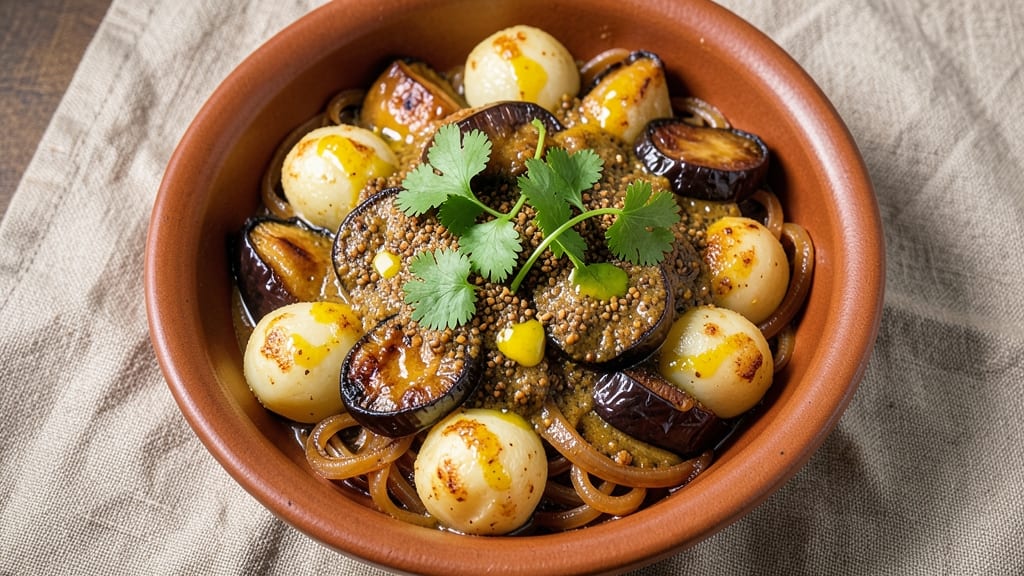
This aubergine and potato curry recipe transforms humble vegetables into a rich, aromatic centerpiece that stands proudly as a vegetarian main dish. The secret lies in slow-cooked spices that bloom into complex layers of warmth, balanced by coconut milk's velvety embrace.
I developed this after years of testing—each element must work in harmony to create that perfect smoky-sweet-spiced equilibrium. The foundation begins with onions and garlic caramelized until golden, where spices like cumin and coriander toast gently to release their earthy potential.
Aubergines and potatoes absorb these flavors deeply as they simmer, their textures becoming tender yet substantial. A splash of coconut milk at the end creates that signature creamy richness without overpowering the vegetables' natural sweetness.
What emerges is a curry that's hearty enough to satisfy as a standalone meal, with each bite offering a symphony of textures—silky potatoes, meaty eggplant, and a sauce that clings perfectly.
The aroma alone will have everyone gathering at the table, while the flavors evolve beautifully over time, making it even more delicious the next day. Serve with basmati rice for the full experience, or pair with warm naan to soak up every last drop of that fragrant sauce.
The technique is straightforward but yields restaurant-quality results—proof that vegetarian dishes can be just as satisfying as their meat-based counterparts.
Ingredients for aubergine and potato curry
These carefully selected ingredients create a symphony of smoky, spiced harmony in every bite.
| Ingredient | Amount | Notes |
|---|---|---|
| Aubergines 🍆 | 2 medium | Cubed into 1-inch pieces |
| Russet Potatoes 🥔 | 3 medium | Peeled and cubed evenly |
| Yellow Onions 🧅 | 1 whole | Thinly sliced for caramelization |
| Garlic Cloves 🧄 | 6 cloves | Minced for aromatic base |
| Ground Cumin 🌿 | 1 ½ tsp | Toasted for deeper flavor |
| Ground Coriander 🌿 | 1 ½ tsp | For earthy complexity |
| Turmeric Powder 🌶️ | 1 tsp | Vibrant color and earthiness |
| Garam Masala 🌶️ | 1 tsp | For aromatic warmth |
| Smoked Paprika 🌶️ | ½ tsp | Smoky depth essential |
| Coconut Milk 🥥 | 1 can (13.5 oz) | Full-fat for creaminess |
| Tomato Paste 🍅 | 2 tbsp | Concentrated umami base |
| Vegetable Oil 🫒 | 3 tbsp | High smoke point preferred |
| Fresh Ginger 🌿 | 1 inch | Grated for zesty kick |
| Salt 🧂 | 1 ½ tsp | Diamond Crystal preferred |
| Black Peppercorns 🌶️ | ½ tsp | Freshly cracked for heat |
The foundation begins with yellow onions and garlic, which must caramelize until deep golden—this builds the flavor base. Penzeys Spice Shop offers the highest quality ground cumin and coriander, but the bulk bins at Whole Foods work perfectly for this recipe. For smoked paprika, La Boîte brand delivers consistent smoky depth without bitterness. Fresh ginger should be vibrant and firm—avoid any with soft spots or sprouting. The aubergines and potatoes should be firm with no blemishes, as they'll absorb all the aromatic flavors during the slow simmer.
No fresh ginger? Powdered ginger at half the amount works in a pinch, though fresh delivers superior zing. Substituting coconut milk? Full-fat cashew cream provides similar richness, though the coconut's signature aroma remains unmatched. For tomato paste, San Marzano tomato paste offers superior quality—avoid the watery brands that dilute your sauce. The garam masala blend is non-negotiable; Patak's or MDH brands provide authentic Indian spice profiles. If you can't find smoked paprika, regular paprika plus a pinch of liquid smoke creates a comparable effect.
This curry develops deeper flavor over time—plan for at least 45 minutes of simmering for optimal results. Store leftovers in airtight containers for up to 5 days in the refrigerator, where flavors continue to meld beautifully. For longer storage, freeze portions for up to 3 months. Reheat gently on the stove with a splash of water to restore the sauce's creamy texture. The aroma alone will transform your kitchen into an Indian spice haven, making this curry worth the preparation time.
Why You'll Love This Recipe
- One-Pan Magic: I swear by this recipe when I’m too tired to wash dishes. Toss everything—chopped aubergines, potatoes, onions—onto a single sheet pan, sprinkle that cumin, and let the oven do the work. Chef’s kiss for lazy nights.
- Cumin Kicks In: Honestly, the cumin here isn’t subtle—it’s there, warm and earthy, cutting through the richness of the aubergines. That crispy edge on the potatoes? The real MVP. I’ll take seconds.
- Leftover Legend: This curry actually tastes better the next day. The flavors meld, the potatoes soften just right, and it reheats like a dream. Pack it for lunch or freeze half—your future self will thank you.
- Budget Meal Powerhouse: Russet potatoes and aubergines stretch this dish for a crowd without breaking the bank. I’ve fed six people for under $10, and no one ever guesses how cheap it was. (Yes, even on a Tuesday night.)
Step-by-step instructions for aubergine and potato curry
Transform simple ingredients into a rich, aromatic curry with this one-pot method.
Sauté Aromatics for Flavor Foundation
Heat the 3 tablespoons vegetable oil in a heavy-bottomed pot over medium heat. Add the thinly sliced yellow onions and cook for 8-10 minutes until deeply caramelized and golden brown—this builds the flavor base. I press down occasionally with a spoon to ensure even cooking.
Add the 6 cloves minced garlic and 1 inch grated fresh ginger, cooking for 1-2 minutes until fragrant but not browned. Here's where it gets critical: immediately add the 2 tablespoons tomato paste and stir vigorously for 30 seconds to prevent burning. This creates a rich umami foundation that carries through the entire dish.
Toast Spices for Maximum Depth
Reduce heat to medium-low and add the 1.5 teaspoons ground cumin, 1.5 teaspoons ground coriander, 1 teaspoon turmeric powder, 0.5 teaspoon smoked paprika, and 1 teaspoon garam masala. Toast the spices for 1-2 minutes until aromatic and slightly darkened—this releases their essential oils and intensifies their flavors.
I stir constantly during this step to prevent scorching. The spices should smell warm, earthy, and slightly smoky. Once properly toasted, add the 1.5 teaspoons salt and 0.5 teaspoon freshly cracked black peppercorns and stir for 30 seconds to distribute evenly.
Build the Curry Base with Potatoes
Add the 3 medium russet potatoes (previously peeled and cubed evenly) to the pot. Stir to coat them thoroughly in the spiced oil mixture. Pour in the 1 can (13.5 oz) full-fat coconut milk and bring to a gentle simmer over medium heat. The mixture should bubble softly but not vigorously.
Cover the pot and simmer for 10 minutes, stirring occasionally. This allows the potatoes to begin softening while absorbing the aromatic spices. You'll see the curry take on a vibrant golden hue from the turmeric and garam masala.
Incorporate Aubergines and Simmer
Add the 2 medium aubergines (previously cubed into 1-inch pieces) to the pot. Stir gently to distribute them evenly throughout the curry. Return to a simmer and cook uncovered for 15-20 minutes, stirring occasionally, until the potatoes are fork-tender and the aubergines have softened but still hold their shape.
This is where the magic happens—the aubergines absorb the rich coconut-spice mixture while maintaining their texture. The curry should thicken slightly as the starches release from the vegetables. Taste and adjust seasoning if needed, adding a pinch more salt or a crack of black pepper if desired.
Finish and Rest for Perfect Texture
Once the vegetables are tender, remove the pot from heat and let the curry rest for 5 minutes. This resting period allows the flavors to meld and the curry to thicken slightly from residual heat. I find this step crucial for achieving that restaurant-quality consistency.
Garnish with additional garam masala or fresh cilantro if using, and serve immediately with steamed basmati rice or warm naan. The curry should have a velvety texture with vibrant color and complex layers of smoky, earthy, and slightly sweet flavors—proof that simple ingredients can create extraordinary results.
Pro Tips For Making Aubergine And Potato Curry
- CHAR THE AUBERGINE FIRST: I learned this the hard way—salting whole aubergines and waiting 30 minutes before slicing removes bitterness, but it also makes them soggy in curry. Instead, slice them first, then toss in salt for just 10 minutes while you prep onions. Pat very dry afterward—wet slices will turn to mush no matter how long you cook them.
- CUT POTATOES UNIFORM: Russets break apart when cubed unevenly, leaving some overcooked and others raw. Use a mandoline or sharp knife to slice them into 1.5cm chunks—same size as your aubergine pieces. They’ll absorb flavors evenly and finish cooking at the same time.
- BROWN THE CUMIN LOW: After frying onions, add the cumin to a cool pan (off heat for 30 seconds) and let it bloom without stirring. Watch closely—it burns fast. The nutty aroma develops in 20 seconds, not 10, and burned cumin tastes like dirt. (Yes, even if you’re impatient like me.)
- SIMMER WITH LID OFF: The last 10 minutes of cooking are where flavor concentrates. Remove the lid and let the sauce reduce—this thickens it naturally instead of relying on extra cream or yogurt. If it’s too dry, add a splash of water, but resist the urge to cover; steam makes the aubergines watery.
Wine and beer pairings for this recipe
Creamy Coconut Whites
This curry's rich coconut base pairs beautifully with crisp, dry whites that cut through the creaminess. I love Chardonnay from India's Nashik region—look for a Grapes of Wrath Chardonnay with its citrus and tropical fruit notes that mirror the curry's flavors.
The slight acidity balances the coconut's richness while complementing the smoky paprika. 🍷
Spiced Red Blends
For red wine lovers, a medium-bodied Grenache-Syrah blend from Spain's Priorat region delivers the perfect contrast. The Alvaro Palacios Quixà offers earthy, spicy notes that harmonize with the curry's garam masala and cumin. Serve slightly chilled to enhance its vibrant fruit flavors against the warm spices.
Craft Beer Pairings
A hoppy IPA with citrus notes works surprisingly well—try a Sierra Nevada Pale Ale for its piney hop character that complements the smoky depth. For something lighter, a Belgian Witbier like Stella Artois adds refreshing citrus and spice that cleanses the palate between bites. 🍺
Non-Alcoholic Options
For a refreshing non-alcoholic match, sparkling ginger beer with a squeeze of lime enhances the curry's ginger and citrus notes. I also love coconut water served chilled—its natural sweetness mirrors the coconut milk while providing a palate reset.
For something more substantial, try spiced chai tea brewed with cardamom and cinnamon.
Regional Wine Traditions
In South India, this curry would traditionally be paired with Palm wine—a local fermented beverage with tropical fruit notes that complement the coconut. For a modern twist, Moscato d'Asti offers a lightly fizzy, sweet option that works beautifully with the dish's balanced flavors.
The effervescence helps refresh your palate between each rich, spiced bite.
Serving Temperature Tips
Let your wine or beer reach room temperature before serving—about 60-65°F for whites and 65-70°F for reds. For beers, serve IPAs at 40°F and witbiers at 45°F to preserve their crispness.
I always chill my wine slightly longer than recommended to enhance its aromatic qualities against the curry's warm spices. 💫
Nutrition facts
Frequently asked questions
Can I make this curry without coconut milk?
Yes! For a lighter version, replace coconut milk with 1 cup vegetable broth plus 2 tablespoons cornstarch slurry to thicken. For richness, try cashew cream (blend soaked cashews with water) or Greek yogurt (add at the end). The smoky-spiced profile will still shine, though coconut's signature aroma will differ.
Why do my aubergines turn mushy?
Overcooking or adding them too early causes mushiness. Start with 1-inch cubes and add after potatoes have simmered for 10 minutes. Cook uncovered for 15-20 minutes—they're done when tender but still hold shape. For extra firmness, salt the cubes 10 minutes before cooking to draw out moisture.
How can I make this curry spicier?
Add ½ teaspoon cayenne pepper with the other spices, or stir in 1 tablespoon red chili paste at the end. For heat lovers, include 1 chopped green chili when sautéing aromatics. Always taste first—spices intensify as the curry rests!
Can I prepare this ahead of time?
This curry tastes even better the next day! Let it cool completely, then store in an airtight container for up to 5 days. Reheat gently with 2 tablespoons water to restore creaminess. For freezing, portion into containers and freeze for up to 3 months—thaw overnight in the fridge.
What's the best way to serve leftovers?
Reheat gently on the stove, then serve with warm naan for dipping or over steamed basmati rice. For extra flair, top with toasted cashews or fresh cilantro. The flavors deepen as it sits, making it perfect for meal prep—just add a splash of water when reheating to prevent drying.