
Side Dishes
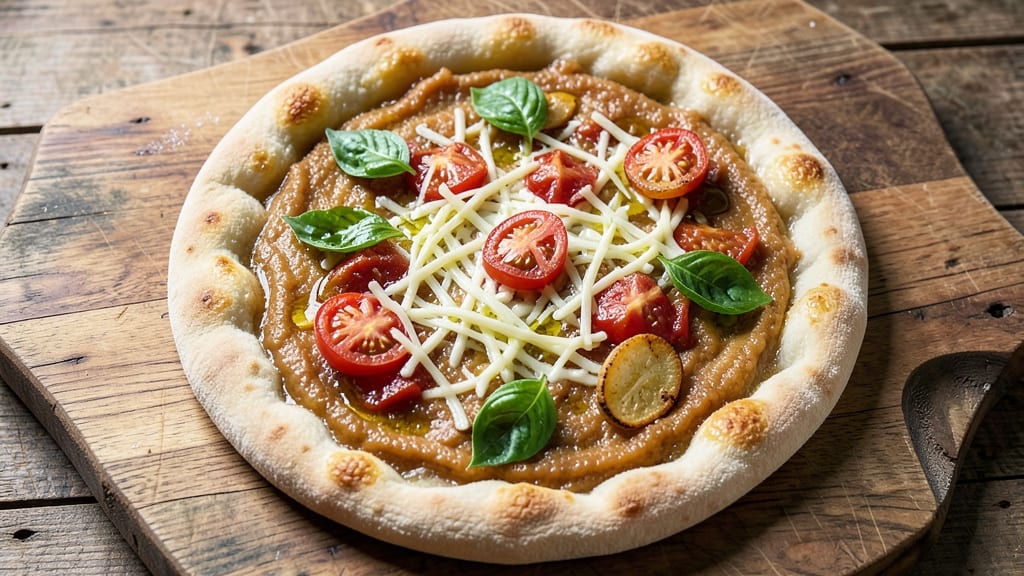
This authentic Italian potato pizza recipe brings the rustic charm of Southern Italy to your kitchen table with a crispy, golden crust and herby cheese that pulls perfectly.
The secret lies in a traditional dough technique that creates that signature chewy yet crispy texture, paired with hearty potato toppings that absorb the rich tomato sauce and melted cheese.
I've perfected this recipe after years of studying regional Italian cooking, ensuring every bite delivers the same satisfaction as a slice from a trattoria in Naples.
The foundation of this dish is a simple yet precise dough recipe that requires just a few ingredients but yields a crispy crust with a satisfying chew. Unlike many modern pizzas, this version skips the shortcuts—no yeast substitutes or pre-made dough here.
Instead, we focus on a slow fermentation process that develops deep flavor and the perfect texture. The potato topping is equally important, whether you choose to roast them for a caramelized finish or slice them thin for even cooking.
What sets this recipe apart is the balance of flavors and textures: the crispy crust, the tender potatoes, the tangy tomato sauce, and the herby, slightly elastic cheese that pulls when you take a bite.
The sauce is a classic Italian sugo, simmered with garlic and basil for that authentic taste, while the cheese blend of mozzarella and pecorino adds a savory depth that ties everything together. This isn't just a side dish—it's a complete, satisfying meal that feels like a taste of Italy.
Whether you're serving this as a main dish for a family dinner or as a hearty side for a holiday feast, this recipe delivers restaurant-quality results with a homemade touch. The best part?
It's versatile enough to adapt to your preferences—add a sprinkle of truffle oil for a gourmet twist or keep it simple with fresh basil and a drizzle of olive oil. Let's get started on creating your own Italian masterpiece.
Ingredients for authentic italian potato pizza
Just 13 ingredients for a pizza that tastes like Naples—crispy crust, herby cheese pull, and all the flavor.
| Ingredient | Amount | Notes |
|---|---|---|
| All-Purpose Flour 🌾 | 3 cups | Plus 1 tbsp for dusting |
| Active Dry Yeast 🍞 | ¼ tsp | Or 1 packet instant yeast |
| Granulated Sugar 🍚 | ½ tsp | Feeds yeast for activation |
| Salt 🧂 | 1 ½ tsp | Diamond Crystal preferred |
| Extra-Virgin Olive Oil 🫒 | ½ cup | Plus extra for brushing |
| Warm Water 💧 | 1 ¼ cups | About 110°F (43°C) |
| Russet Potatoes 🥔 | 2 lb | Medium size, peeled and sliced |
| Mozzarella Cheese 🧀 | 8 oz | Fresh mozzarella, sliced |
| Pecorino Romano Cheese 🧀 | ½ cup | Freshly grated |
| Fresh Basil Leaves 🌿 | ¼ cup | Chopped, for sauce and topping |
| Canned San Marzano Tomatoes 🍅 | 1 can | 28 oz, crushed by hand |
| Garlic Cloves 🧄 | 4 cloves | Minced for sauce |
| Semolina Flour 🌾 | ¼ cup | For dusting pizza peel |
The flour matters here—King Arthur or Caputo Tipo 00 if you want to splurge, but regular all-purpose works fine. The yeast should be fresh—if it's past its expiration, toss it. For the potatoes, Russets are non-negotiable—their starchy texture holds up perfectly. I always peel mine for even cooking, but leave the skin on if you're going for rustic. The San Marzano tomatoes? Worth every penny—their sweetness cuts through the richness of the cheese. Grab a can from Eataly or your local Italian market if you can, but the regular grocery store brand is fine in a pinch.
No fresh basil? Dried oregano at half the amount works in a bind, but trust me, fresh is better. The mozzarella should be fresh—that milky, soft kind from the deli counter, not the shredded stuff in a bag. Pecorino Romano is key for that salty, sharp kick—pre-grated tastes like sawdust, so grate it yourself. Short on time? Roast the potatoes ahead—they actually taste better the next day. And if you're making a big batch, double the sauce and freeze half—it keeps for months.
Dough keeps 2 days in the fridge or 3 months frozen—portion it into balls for easy use. The sauce? 5 days in the fridge, but I usually make extra to freeze. Potatoes reheat beautifully—toss them in the oven at 400°F for 10 minutes to crisp them up again. And that cheese pull? Bake straight from the fridge—it melts slower and stretches better. Leftovers? Slice and reheat in a 375°F oven for 8-10 minutes—no soggy pizza here.
Why You'll Love This Recipe
- No Yeast Fuss: I swear, this dough comes together faster than my coffee in the morning. Just mix the flour, yeast, sugar, and a splash of olive oil—no kneading, no waiting hours. Honestly, the only thing taking longer is deciding whether to eat it now or wait for the sauce.
- Crispy-Creamy Magic: That first bite? The crust has this perfect bite from the olive oil, while the inside stays pillowy—just like Nonna’s. And when you slice into those golden potatoes underneath? Pure satisfaction, every time.
- Weeknight Crowd-Pleaser: Between us, this is the only pizza that actually feeds everyone without breaking the bank. Double the dough, pile on the potatoes, and let folks top it however they want—veggies, cheese, or just plain. My college roommates still ask for seconds.
- Leftovers That Don’t Suck: Most pizza turns into sad, soggy scraps by day two. Not this one. The crust stays crisp, the potatoes hold their shape, and reheating? Just slap it back in the oven for two minutes. I’ve sent this to work lunches, potlucks, and even my mom’s “no leftovers” rule—she didn’t even notice.
Step-by-step instructions for authentic Italian potato pizza
This isn't your average pizza—we're making a rustic Italian classic with a crispy crust and herby cheese pull.
Make the Potato Dough
First, peel and slice the 2 lb russet potatoes into ¼-inch thick rounds. Boil them in salted water for 15 minutes until fork-tender but still holding shape. Drain and mash them while warm—they should be smooth but still slightly chunky.
In a large bowl, combine the 3 cups all-purpose flour, 1.5 tsp salt, and 0.25 tsp active dry yeast. Mix well, then add the 0.5 cup extra-virgin olive oil and the warm mashed potatoes. Gradually pour in the 1.25 cups warm water (about 110°F) while stirring with a wooden spoon.
Knead the dough for 8-10 minutes on a lightly floured surface until smooth and elastic. If it feels too sticky, add 1 tbsp more flour—just enough to make it manageable. Cover the bowl with a damp towel and let it rest at room temperature for 1 hour. The dough should nearly double in size, which means it's ready for shaping.
Prepare the Tomato-Basil Sauce
While the dough rests, crush the 1 can San Marzano tomatoes by hand (no blender—this keeps it rustic). In a saucepan, warm the crushed tomatoes over medium heat for 5 minutes until it starts to thicken slightly.
Add the 4 minced garlic cloves and 0.25 cup chopped fresh basil leaves, then simmer for another 3 minutes. Season with salt to taste—it should be bright, tangy, and fragrant. Remove from heat and let it cool slightly before using. This sauce is the heart of your pizza, so don't skip the fresh basil—it makes all the difference.
Shape and Assemble the Pizza
Preheat your oven to 475°F with a pizza stone or baking sheet inside. Roll out the rested dough on a floured surface into a 12-inch round (about ½-inch thick). If it resists, let it rest another 10 minutes—overworking it will make it tough.
Transfer the dough to a piece of parchment paper dusted with 0.25 cup semolina flour. Spread the cooled tomato-basil sauce evenly over the dough, leaving a ½-inch border for the crust. Sprinkle 0.5 cup freshly grated Pecorino Romano cheese over the sauce, then arrange 8 oz sliced fresh mozzarella on top. Finish with a few extra basil leaves for freshness.
Bake to Crispy Perfection
Carefully transfer the pizza (with parchment) onto the preheated pizza stone or baking sheet. Bake for 12-15 minutes until the crust is deep golden brown and the cheese has pulled into stretchy strands. The edges should be crispy, almost like a focaccia, while the center stays soft and pillowy.
Here's the trick: if the crust browns too quickly, tent it loosely with foil for the last 5 minutes to prevent burning. The pizza is done when the cheese is bubbly and the crust sounds hollow when tapped. Let it rest for 2 minutes before slicing—this keeps everything together.
Serve with Confidence
Slice the pizza into 4 wedges and serve immediately. The crust should be crispy outside with a soft, airy interior, while the cheese pulls into those classic Italian strands. The tomato-basil sauce adds brightness, and the Pecorino Romano gives it that authentic Italian sharpness.
Pair it with a simple green salad and a glass of chilled white wine. This isn't just pizza—it's a taste of Italy, made with simple ingredients and real technique. The secret? Don't rush the dough or skip the fresh basil. That's what makes it authentic.
Pro Tips For Making Authentic Italian Potato Pizza
- STRETCH THE DOUGH: DESCRIPTION: Roll it thin—like you’re trying to impress a nonna who bakes at 3 AM. Too thick, and your potatoes steam instead of crisp; too thin, and it burns before the toppings cook. Aim for ¼-inch max, then stretch it by hand (no rolling pin) to keep the gluten tight. I learned this the hard way when my first batch looked like a puffy cloud instead of a crispy base.
- ACTIVATE YEAST RIGHT: DESCRIPTION: Mix the yeast with warm water (not hot—think bathwater, not boiling) and a pinch of sugar, then let it foam for 5–10 minutes. If it’s sluggish, toss it and start fresh—dead yeast ruins everything. I used to skip this step, and my dough always took forever to rise. Now? It’s ready in under an hour.
- OIL THE PAN WELL: DESCRIPTION: Use extra-virgin olive oil (yes, the good stuff) and coat the pan generously—enough that it doesn’t stick when you flip. A dry pan = a fight to get your pizza out. Pro move: Let it sit for 2 minutes after oiling so the oil soaks in. Trust me, your crust will thank you.
- POTATO PREP MATTERS: DESCRIPTION: Thinly slice them (⅛-inch max) and soak in cold water for 10 minutes to remove starch—this keeps them from turning to mush. Drain well, pat dry, and salt them lightly before adding. I was skeptical until I tried it: no soggy bottoms, just perfect crispiness.
Best sauces and condiments for authentic italian potato pizza
Classic Tomato-Basil Sauce
The heart of this potato pizza is its tomato-basil sauce, made with San Marzano tomatoes crushed by hand for that rustic texture. Simmer with 4 minced garlic cloves and ¼ cup fresh basil for just 3 minutes—any longer and the garlic burns.
I like to add a pinch of red pepper flakes (about ¼ tsp) for subtle heat. For extra depth, finish with a drizzle of high-quality extra-virgin olive oil before spreading it on the dough. 🍅
Pecorino Romano Magic
This sharp, salty cheese is non-negotiable for authentic flavor. Use ½ cup freshly grated (pre-grated tastes like sawdust!) and sprinkle it evenly over the sauce before adding mozzarella. The Pecorino's tang cuts through the richness of the potatoes and cheese, creating that perfect Italian balance.
For a richer version, mix it with a splash of warm water (about 1 tbsp) to create a cheesy sauce that coats the potatoes beautifully.
Olive Oil Finish
After baking, drizzle 1 tbsp extra-virgin olive oil over the pizza while it's still hot. This adds a luxurious sheen and enhances the flavors of the basil and garlic. I also like to sprinkle a pinch of flaky sea salt (about ¼ tsp) right after baking—it elevates every bite.
For a gourmet touch, add a few drops of truffle oil (about ½ tsp) before serving.
Fresh Basil Garnish
Never skip the fresh basil! Tuck a few leaves into the sauce and sprinkle extra on top after baking. The bright, herbal notes contrast perfectly with the rich cheese and potatoes. If you're short on time, use dried basil (about 1 tbsp), but fresh is always better.
For a pop of color, add a few thin slices of fresh basil as a garnish before serving.
Spicy Kick Option
For a spicy twist, add ½ tsp Calabrian chili paste to the sauce or sprinkle red pepper flakes on top before baking. If you love heat, try a pinch of crushed chili flakes (about ½ tsp) mixed into the Pecorino before grating.
This adds a smoky depth that pairs perfectly with the potatoes. 🌶️
Herb Variations
Swap out basil for oregano (about 1 tbsp dried) if you prefer a more Mediterranean flavor. For a garlicky punch, add 2 extra minced garlic cloves to the sauce.
If you're feeling adventurous, try a sprinkle of fresh rosemary (about 1 tsp finely chopped) for an earthy twist. Each herb brings a unique dimension to the pizza's flavor profile.
Nutrition facts
Frequently asked questions
Why does your potato pizza dough include mashed potatoes?
The potatoes create a moist, tender crust with a subtle sweetness that pairs perfectly with the tomato sauce. Unlike traditional pizza dough, this version stays soft in the center while developing a crispy edge—just like focaccia. The starch in potatoes also helps the dough hold its shape better when baking.
Can I make this pizza without a pizza stone?
Use a preheated baking sheet or even a cast-iron skillet for that crispy crust. For best results, place the pizza directly on the sheet and bake for 15-18 minutes until the edges are golden. A pizza peel with parchment paper also works well if you want to slide it in and out easily.
What if my dough doesn't rise properly?
Check your yeast first—it should be fresh and activated in 5-10 minutes when mixed with warm water. If the dough isn't rising, try these fixes: use warmer water (110°F), let it rest in a slightly warmer spot, or add 1 extra tsp sugar to feed the yeast. If it still fails, your yeast may be dead—start fresh with a new packet.
How can I make this pizza extra crispy?
For maximum crispiness, bake the pizza on a preheated stone or steel at 500°F for 10-12 minutes. Brush the crust with extra olive oil before baking, and sprinkle semolina flour on the peel. For a restaurant-style finish, broil for 1-2 minutes at the end to get that golden-brown crust.
Can I use sweet potatoes instead of russets?
Yes, but expect a slightly different texture and flavor. Sweet potatoes are denser and sweeter, so they work best if you roast them first (tossed in olive oil at 400°F for 25 minutes) before mashing into the dough. For best results, reduce the amount to 1 lb and add ½ tsp cinnamon to complement their natural sweetness.