
Breakfast & Brunch
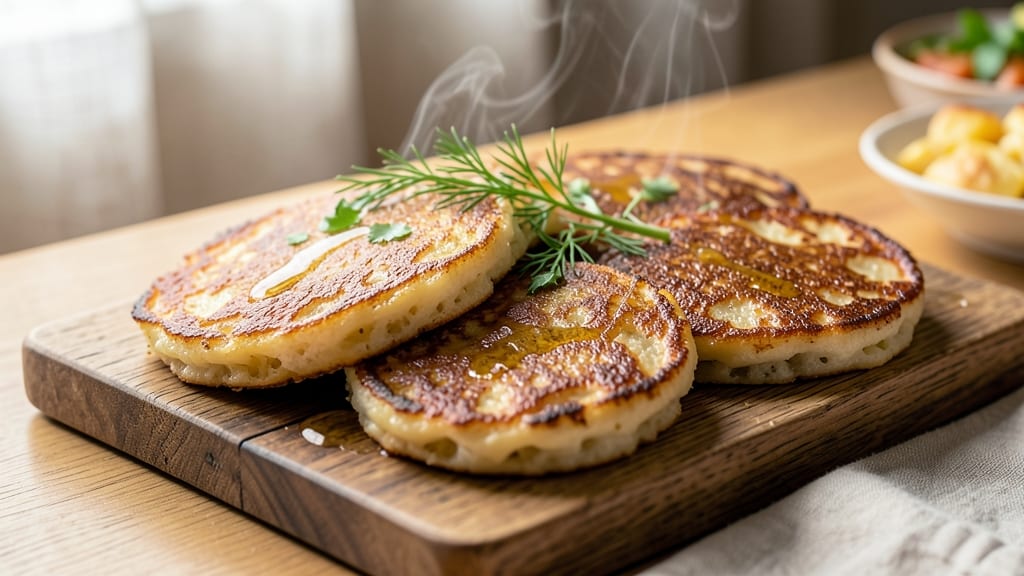
This authentic Polish potato pancake recipe delivers the crispy, golden edges and herbed freshness that make placki ziemniaczane a beloved comfort food. The secret lies in the proper potato-to-flour ratio and frying technique, passed down through generations.
Unlike their American counterparts, these pancakes are lighter, crispier, and infused with fresh dill and chives for bright, herby notes that cut through the richness.
The process begins with freshly grated potatoes—never pre-peeled or pre-shredded—mixed with just enough flour to bind without heaviness. Frying in a thin layer of oil at medium heat ensures even browning, while pressing the pancakes gently with a spatula guarantees that signature crispy edge.
This method preserves the natural potato starch, creating a delicate, lacy texture that falls apart just enough to soak up sour cream or mushroom sauce.
What sets these apart is the balance of crispness and tenderness, achieved through precise timing and temperature control. The result is a stack of golden pancakes with a satisfying crunch that gives way to a soft, fluffy interior.
Serve them warm with a dollop of tangy sour cream, a drizzle of caramelized onion sauce, or a side of applesauce for a taste of Poland’s hearty tradition.
Perfect for weekend breakfasts or holiday gatherings, these potato pancakes bring a touch of Eastern European comfort to your table. The recipe scales easily, making it ideal for feeding a crowd or saving leftovers for crispy, reheated seconds.
Let’s get started on this classic dish that’s as much about technique as it is about tradition.
Ingredients for authentic polish potato pancake
Freshly grated potatoes, herbed brightness, and precise frying technique create authentic Polish potato pancakes.
| Ingredient | Amount | Notes |
|---|---|---|
| Russet Potatoes 🥔 | 3 lb | Freshly grated, skin on (organic preferred) |
| All-Purpose Flour 🌾 | ¾ cup | For binding, sifted for lightness |
| Fresh Dill 🌿 | ¼ cup | Finely chopped, stems removed |
| Fresh Chives 🌱 | ¼ cup | Finely chopped, for freshness |
| Large Eggs 🥚 | 1 whole | For binding, room temperature |
| Kosher Salt 🧂 | 1 ½ tsp | Diamond Crystal preferred |
| Ground Black Pepper 🌶️ | ½ tsp | Freshly ground for flavor |
| Vegetable Oil 🫒 | 2 cups | For frying, neutral flavor |
| Unsalted Butter 🧈 | 2 tbsp | Melted, for richness (optional) |
| Sour Cream 🍶 | ½ cup | For serving, tangy contrast |
| Garlic Powder 🧄 | ½ tsp | For subtle depth |
| Lemon Juice 🍋 | 1 tbsp | Freshly squeezed, for brightness |
The potatoes are the foundation—Russet potatoes work best because of their high starch content. Organic potatoes if possible, since the skin adds texture. Grate them yourself (never pre-shredded)—the freshness matters. For sourcing, local farmers markets often have ideal potatoes, or grab a bag from the organic section at Whole Foods. The flour should be all-purpose, but if you want extra crispiness, bread flour works too. Fresh herbs like dill and chives are non-negotiable—they bring that signature Eastern European brightness. Penzeys or your local Polish market are great spots for fresh dill if you can't find it in the grocery store.
No fresh dill? Dried dill at one-third the amount works in a pinch, though fresh is ideal. Running low on chives? Green onion tops chopped finely will mimic the freshness. The egg is crucial for binding—room temperature ensures even mixing. For oil, vegetable or canola oil are neutral and perfect for frying. If you want extra richness, the melted butter adds a lovely depth (though it's optional). The sour cream for serving should be full-fat for that classic tangy contrast. For a vegetarian twist, skip the butter entirely and use extra oil.
Potatoes keep best in a cool, dark place for about 1 week. Freshly grated potatoes can sit in a colander for 15 minutes to release excess starch before mixing. The pancake batter holds in the fridge for 24 hours if covered tightly. For leftovers, reheat in a 350°F oven for 10 minutes to restore crispiness. These pancakes freeze beautifully—flash-freeze on a tray before transferring to a bag for up to 3 months. Serve warm with extra sour cream or a sprinkle of fresh herbs.
Why You'll Love This Recipe
- No-Ratchet Prep: I swear, the hardest part is peeling those potatoes—everything else is just folding and frying. No food processor, no fancy techniques, just raw potatoes, flour, and a little elbow grease. (Yes, even on a Tuesday night.)
- Herb Bomb Crunch: That crispy golden edge? Pure magic. The fresh dill and chives cut through the richness of the potatoes like a bright, green hug—no heavy spices needed. Honestly, the first bite always makes me pause.
- Leftover Goldmine: These pancakes reheat like champions—crispy again in the air fryer or skillet, no soggy edges in sight. I make a double batch on Sundays because they’re my go-to for lazy lunches or unexpected guests.
- Budget-Friendly Staple: Russets are cheap, eggs are cheap, flour doesn’t break the bank—and one batch feeds four with seconds. Between us, this is the kind of dish that makes grocery day feel like a win.
Step-by-step instructions for authentic Polish potato pancakes
Here's the method that delivers restaurant-quality Polish latkes with perfect crispy edges every time.
Grate and Prepare the Potatoes
Using a box grater or food processor with a grating attachment, grate the 3 lb russet potatoes, including the skin. I prefer using a food processor for even, fine shreds—this is key for authentic texture. Transfer the grated potatoes to a clean kitchen towel and gently squeeze out all excess moisture. This step is crucial because too much liquid prevents the pancakes from getting crispy.
Place the drained potatoes in a large bowl and sprinkle with 1.5 tsp kosher salt, 0.5 tsp ground black pepper, and 0.5 tsp garlic powder. Mix gently but thoroughly to distribute the seasoning evenly. Add the 0.25 cup finely chopped fresh dill and 0.25 cup finely chopped fresh chives, folding them in just enough to incorporate without breaking the herbs too much. The herbs should be visible but evenly distributed throughout the potato mixture.
Combine Wet Ingredients for Binding
In a separate bowl, whisk together the 1 whole large egg and 0.75 cup all-purpose flour until smooth and fully combined. This mixture acts as the binder that holds the pancakes together. Gradually add the wet ingredients to the potato mixture, stirring gently with a wooden spoon. Be careful not to overmix—just combine until everything is evenly moistened. The batter should hold together when pressed, but still be slightly crumbly.
Let the mixture rest for 10 minutes at room temperature. This allows the flour to fully hydrate and the potatoes to release any remaining moisture, which helps create that perfect crispy texture when frying. If the mixture feels too wet after resting, squeeze out additional moisture using the kitchen towel.
Fry the Pancakes to Golden Perfection
Heat 2 cups vegetable oil in a large skillet over medium heat until it reaches 350°F on a deep-fry thermometer. If you don't have a thermometer, test the oil by dropping in a small piece of potato—it should sizzle and float to the surface within 10 seconds. This is the ideal temperature for achieving crispy edges while keeping the inside tender.
Using a spoon or ice cream scoop, drop 2-tablespoon portions of the potato mixture into the hot oil, spacing them about 1 inch apart in the pan. Fry for 3-4 minutes per side until deep golden brown and crispy. The pancakes are ready when they release easily from the pan and have a beautiful, even color. Don't overcrowd the pan—this lowers the oil temperature and results in soggy pancakes. Fry in batches if needed, maintaining the oil temperature between 350-360°F.
Drain and Serve Warm
Transfer the fried pancakes to a paper towel-lined plate to drain excess oil. Work quickly but carefully—these pancakes stay crispy for only a few minutes after frying. For extra richness, brush the warm pancakes with 2 tbsp melted unsalted butter while they're still hot. This adds a delicious, golden sheen and enhances the flavor.
Serve immediately with 0.5 cup sour cream mixed with 1 tbsp freshly squeezed lemon juice on the side. The tangy contrast of the sour cream and bright lemon juice cuts through the richness of the crispy pancakes, balancing each bite perfectly. For an authentic touch, sprinkle with additional fresh dill and chives before serving.
Pro Tips For Making Authentic Polish Potato Pancake
- GRATE DRY, NOT WET: Russets release starch like crazy when grated—squeeze the excess moisture out with a clean kitchen towel or cheesecloth right after grating. Skipping this step means soggy pancakes, no matter how much flour you add. (I learned this the hard way after making a batch that fell apart like wet cardboard.)
- USE COLD POTATO MIX: Chill your grated potato-flour-egg mix for at least 30 minutes before frying. The cold temperature keeps the pancakes from absorbing oil like sponges, and the texture stays light and crispy instead of greasy. (Yes, even if you're impatient like me—trust the process.)
- SALT THE PAN HOT: Heat your oil in the pan until it shimmers (350°F/175°C), then sprinkle a pinch of salt directly into the oil before adding the pancakes. The salt caramelizes into tiny flavor bombs, giving that classic Polish złote (golden) crust. (This isn’t just for flavor—it’s the thing that makes them taste authentic.)
- CHOP HERBS FINE: Dice the dill and chives into tiny confetti-sized pieces—no big stems or clumps. They’ll distribute evenly through the pancake and release aroma as they cook, not just sit as afterthoughts on top. (I was skeptical until I tried it—now I measure them out like the rest of the ingredients.)
Troubleshooting this dish
Pancakes Too Wet?
If your potato mixture feels too wet after mixing, don't panic! Simply wrap the grated potatoes in a clean kitchen towel and gently squeeze out excess moisture for 30-60 seconds.
This step is critical—wet pancakes won't crisp up properly. I've found that organic russet potatoes tend to release more moisture, so squeeze them a bit longer if needed. 🥔
Soggy Instead of Crispy?
Soggy pancakes usually mean your oil wasn't hot enough or you overcrowded the pan. Maintain oil temperature between 350-360°F using a thermometer—I use the ThermoWorks Smoke for accuracy.
Fry in small batches with 1-inch spacing between pancakes. If your pan is too small, use a larger one or fry in two rounds. 🔥
Uneven Cooking?
Uneven browning happens when pancakes aren't pressed firmly or oil temperature fluctuates. Use a spatula to gently press each pancake down immediately after placing it in the oil. Keep oil temperature stable by avoiding cold potatoes—let them sit at room temperature for 10 minutes before frying.
For extra insurance, preheat your oil for 5 minutes before adding the first batch. 🌡️
Batter Not Holding?
If your batter crumbles apart when scooping, you likely need more binder. Add 1 extra tablespoon of flour and mix gently. Alternatively, beat the egg for 30 seconds longer to create more structure. I've found that bread flour works better than all-purpose for extra binding power when needed. 🌾
Herbs Not Distributing?
Fresh herbs can sink to the bottom if not folded in properly. Chop them finely and gently fold them into the potato mixture using a wooden spoon—just until incorporated.
Avoid overmixing, which releases more starch and makes pancakes gummy. For even distribution, sprinkle herbs on top of the potatoes before adding wet ingredients. 🌿
Reheating Leftovers?
To restore crispiness, place pancakes on a baking sheet and bake at 350°F for 5-7 minutes until golden. For stovetop reheating, fry in 1/4 inch of oil over medium heat for 1-2 minutes per side until crispy again. Microwaving works in a pinch (30 seconds), but texture suffers. 🔄
Nutrition facts
Frequently asked questions
Why do Polish potato pancakes need fresh herbs?
The fresh dill and chives are essential for that signature bright, herby flavor that sets these apart from American latkes. Dried herbs won't provide the same fresh, vibrant taste—think of them as the "secret weapon" that makes these pancakes taste authentically Polish. The herbs also help balance the richness of the fried potato.
Can I make these pancakes ahead of time?
Yes, but with a few tricks! Fry them up to 2 hours ahead and keep warm in a 200°F oven on a wire rack to maintain crispiness. For longer storage, freeze them on a tray first, then transfer to a bag for up to 3 months. Reheat in a 350°F oven for 5-7 minutes to restore that perfect crunch.
What's the best oil for frying?
Use a neutral oil with a high smoke point like vegetable or canola oil—they won't overpower the potato flavor. Avoid olive oil (it burns too easily) or butter (it can make the pancakes greasy). For extra richness, add 2 tbsp melted butter to the oil before frying, but don't substitute it entirely.
How do I get the pancakes extra crispy?
Three key steps: 1) Squeeze out ALL moisture from grated potatoes, 2) Fry in small batches at 350-360°F, and 3) Press pancakes gently with a spatula while frying. A thin layer of oil and medium heat are your best friends—don't rush the cooking time, even if it means frying a few minutes longer for that golden crust.
What's the traditional way to serve them?
Classic Polish style is with sour cream mixed with lemon juice and a sprinkle of fresh dill. For a heartier meal, try mushroom sauce or caramelized onions. Never serve them with applesauce (that's more American)—stick to tangy, creamy, or savory toppings to keep them authentic.