
Side Dishes
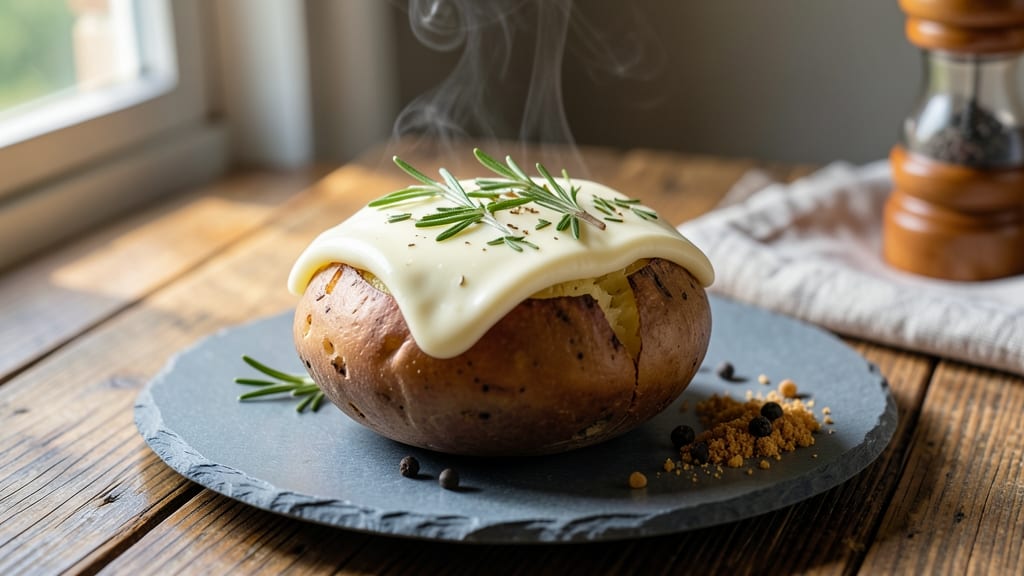
This baked potato recipe is the story of seasons—a simple side transformed into a fluffy, buttery centerpiece that adapts effortlessly to the year’s changing flavors. The secret lies in baking them skin-on at 425°F until tender, then letting them rest to trap steam and create that signature creamy texture.
What makes this recipe special is its adaptability: spring calls for herb cream and asparagus, while winter demands caramelized onions and melted cheese.
What sets these potatoes apart is their versatility—whether you're serving a holiday feast or a weeknight dinner, the base technique remains the same. The key is patience: baking them directly on the oven rack ensures crispy skin, while piercing them first prevents explosions.
Once baked, the possibilities are endless, from classic bacon and sour cream to unexpected twists like smoked paprika and avocado.
By the time you're done, you'll have perfectly baked potatoes with golden, crispy skins and fluffy interiors that practically melt in your mouth.
The beauty of this recipe is how it evolves with the seasons—each topping tells a story, from summer's grilled corn and chili-lime to autumn's roasted squash and sage butter. It's the kind of dish that feels both comforting and exciting, no matter the time of year.
The best part? These potatoes reheat beautifully, making them ideal for meal prep or leftovers. Whether you're feeding a crowd or treating yourself to a solo dinner, this recipe delivers restaurant-quality results with minimal effort. Let's get started!
Ingredients for baked potato recipe story of seasons
Six ingredients form the base, with seasonal toppings to adapt throughout the year.
| Ingredient | Amount | Notes |
|---|---|---|
| Russet Potatoes 🥔 | 3 lb | Medium size, skin-on preferred |
| Unsalted Butter 🧈 | ½ cup | Cold, cubed for flakes |
| Salt 🧂 | 1 ½ tsp | Diamond Crystal preferred |
| Black Pepper 🌶️ | ½ tsp | Freshly ground for best flavor |
| Garlic Powder 🧄 | 1 tsp | For seasoning potatoes |
| Fresh Rosemary 🌿 | ¼ cup | Chopped, for spring variation |
| Fresh Thyme 🌿 | ¼ cup | Chopped, for spring variation |
| Heavy Cream 🥛 | ½ cup | For herb cream topping |
| Shredded Cheddar Cheese 🧀 | 1 cup | For winter variation |
| Caramelized Onions 🧅 | 1 cup | Pre-made or homemade |
| Smoked Paprika 🌶️ | 1 tsp | For summer variation |
| Avocado 🥑 | 1 whole | Sliced, for summer variation |
| Chili-Lime Powder 🌶️ | 1 tsp | For summer variation |
| Fresh Sage 🍃 | ¼ cup | Chopped, for autumn variation |
| Roasted Squash 🎃 | 1 cup | Diced, for autumn variation |
Russet potatoes are the foundation—Idaho-grown if you can find them. Their dense starch content ensures a fluffy interior, while the skin stays crispy when baked directly on the oven rack. Whole Foods or local farmers markets often carry them year-round, but regular grocery stores have them too. For the butter, Plugrá or Land O'Lakes are reliable choices—stick with unsalted so you control the seasoning. The secret to perfect flakes? Cold butter and a sharp knife—slice it thinly and quickly to avoid melting.
No fresh herbs? Dried rosemary or thyme at one-third the amount works in a pinch. For the heavy cream, Hillfarm or Organic Valley brands stay fresh longer in the fridge. The caramelized onions can be store-bought (check the Trader Joe's freezer section for pre-made) or homemade—just don't skip the sugar in the cooking process. Smoked paprika adds depth without overpowering, while chili-lime powder brings a bright, zesty kick perfect for summer. The avocado should be ripe but firm—Hass varieties are ideal and hold up well when sliced.
Baked potatoes reheat beautifully—wrap them in foil and warm at 350°F for 20 minutes. Store prepped toppings separately: cheese keeps 3 days in the fridge, caramelized onions 5 days, and avocado 2 days (spritz with lime juice to prevent browning). For meal prep, bake a batch ahead and freeze the potatoes (unpeeled) for up to 3 months. Reheat from frozen at 400°F for 45 minutes—the skin stays crispy, and the inside remains fluffy.
Why You'll Love This Recipe
- No-Fuss Prep: Honestly, I just poke holes in the potatoes, rub them with oil, and pop them in the oven. That’s it—no peeling, no fussing. The secret? Russets hold their shape like a dream, so you don’t even need to flip them.
- Buttery-Garlic Magic: Between us, the combo of melted butter and garlic powder on a warm potato is ridiculously good. It’s like a hug for your taste buds—simple, but somehow always hits the spot.
- Weeknight to Potluck: These work for lazy Tuesday dinners or Sunday gatherings. Bake a big tray ahead, and they reheat in minutes. (Yes, even on a Tuesday night.)
- Budget-Friendly Staple: A single bag of russets and a stick of butter stretch for days. I make a batch, store them in the fridge, and they’re ready to go—no takeout needed.
Step-by-step instructions for baked potatoes with seasonal topping flexibility
Transform simple russet potatoes into a year-round centerpiece with crispy skins and customizable toppings.
Preheat Oven and Prepare Potatoes
Preheat your oven to 425°F with the rack positioned in the lower third. This high heat ensures crispy skins while keeping the interiors fluffy. While the oven heats, scrub the 3 lb russet potatoes thoroughly under cool water to remove any dirt—especially important for skin-on potatoes. Dry them completely with a clean kitchen towel.
Pierce each potato 4-5 times with a fork or sharp knife, being careful not to puncture all the way through. This creates steam vents that prevent explosions while baking. Arrange the potatoes on a rimmed baking sheet, spacing them about 2 inches apart to allow air circulation. For even browning, flip them halfway through baking.
Season and Bake to Crispy Perfection
Generously rub the potatoes with 0.5 cup unsalted butter (cold and cubed) until fully coated. Sprinkle evenly with 1.5 tsp salt, 0.5 tsp black pepper, and 1 tsp garlic powder, pressing the seasoning into the skin. The butter will melt and create steam, helping develop that signature crispy texture.
Bake for 60-75 minutes until a knife slides in easily with just slight resistance. The skin should be deep golden brown with visible crackling in places. I check for doneness by pressing gently—if the potato feels firm but yields slightly at the top, it's ready. Rotate the baking sheet halfway through for even cooking.
Create Herb Cream Topping (Spring Variation)
While the potatoes bake, prepare the spring variation by combining 0.5 cup heavy cream with 0.25 cup chopped fresh rosemary and 0.25 cup chopped fresh thyme in a small saucepan. Warm over medium-low heat for 3-4 minutes until steaming but not boiling. Remove from heat and let steep for 5 minutes to infuse the flavors.
Strain through a fine-mesh sieve to remove herb stems, then return the cream to the pan. Stir in 1 tsp salt and 0.5 tsp black pepper until dissolved. This creamy herb mixture becomes the perfect base for your spring-loaded potatoes, balancing richness with bright herbal notes.
Assemble Seasonal Toppings (Choose Your Variation)
For the winter variation, cut open the baked potatoes and fill each with 1 cup shredded cheddar cheese and 1 cup caramelized onions. Broil for 2-3 minutes until the cheese melts and begins to brown. The cheddar should bubble slightly while the onions add sweet depth to each bite.
For the summer variation, top with sliced 1 whole avocado, sprinkle with 1 tsp smoked paprika and 1 tsp chili-lime powder, then drizzle with a little olive oil. The avocado adds creamy contrast to the crispy potato, while the spices bring a bright, zesty kick perfect for warm weather.
Complete with Autumn Topping
For the autumn variation, mix 1 cup roasted squash with 0.25 cup chopped fresh sage and a pinch of 1.5 tsp salt. Spoon this warm, earthy mixture over each potato. The roasted squash adds natural sweetness that pairs beautifully with the potato's buttery richness, while the sage brings a subtle piney aroma that evokes fall harvests.
Serve immediately with additional toppings on the side, allowing everyone to customize their potatoes. The key to perfect baked potatoes lies in the crispy skins and the flexibility to adapt toppings to whatever season you're celebrating. Each variation transforms this classic dish into something fresh and exciting year-round.
Pro Tips For Making Baked Potato Recipe Story Of Seasons
- PIERCE POTATOES FIRST: Russets are stubborn—don’t skip the fork test. After baking, jam a fork into the center: if it slides in like butter, they’re done. If it fights back, they’re still tough. I learned this the hard way when I served undercooked potatoes to a crowd who side-eyed me like I’d committed a crime.
- SALT THE SKIN: Generously coat the skins with salt before baking—this isn’t just for flavor, it’s for texture. The salt draws out moisture, then reabsorbs it as steam, creating that crispy, golden crust we all crave. (Yes, even if you’re impatient like me.) Skip this, and you’ll end up with sad, soggy skins.
- USE COLD BUTTER: Unsalted butter straight from the fridge melts slower, so it soaks into the potato instead of pooling at the bottom. Scoop it out of the fridge, cut it into chunks, and let it sit for 10 minutes—just enough to soften but not turn into a greasy mess. Trust me, your potatoes will thank you.
- DON’T OVERCROWD THE PAN: If your potatoes are touching, they’ll steam instead of crisp. Space them at least an inch apart on the tray—this isn’t the time for efficiency. I used to jam them in to save time, but the result was always damp, flavorless interiors. (Your future self will thank you.)
Perfect pairings for this dish
Spring Herb Cream
Brighten your spring menu with a herb cream topping made from 0.5 cup heavy cream, 0.25 cup chopped fresh rosemary, and 0.25 cup chopped fresh thyme. Warm the cream over medium-low heat for 3-4 minutes, then steep for 5 minutes to infuse flavors.
Strain and season with 1 tsp salt and 0.5 tsp black pepper—this velvety sauce adds freshness that cuts through the richness of the potato. 🌿
Summer Zesty Twist
For summer, load your potatoes with 1 whole sliced avocado, 1 tsp smoked paprika, and 1 tsp chili-lime powder. Drizzle with 1 tbsp olive oil for a creamy, tangy contrast that feels light yet satisfying.
The lime brightens the dish, while smoked paprika adds a subtle smokiness that pairs perfectly with the potato’s buttery flavor. ✨
Autumn Roasted Squash
Celebrate fall with 1 cup roasted squash tossed with 0.25 cup chopped fresh sage and a pinch of salt. The natural sweetness of the squash complements the potato’s creaminess, while sage adds an earthy depth.
Roast the squash until tender, then spoon it over the potatoes for a warm, comforting bite. 🍂
Winter Cheesy Comfort
Warm up winter meals with 1 cup shredded cheddar cheese and 1 cup caramelized onions broiled until bubbly. The melted cheese creates a gooey, indulgent topping, while the onions add sweet caramelized notes. Broil for just 2-3 minutes to avoid burning—perfection lies in that golden, bubbly finish. ❄️
Beverage Pairings
Pair spring potatoes with a crisp Sauvignon Blanc—its citrus notes complement the herb cream. For summer, a Mexican lager like Modelo balances the avocado’s creaminess. Autumn’s squash and sage shine with a Pinot Noir, while winter’s cheesy load calls for a bold Chardonnay with buttery undertones. 🍷
Garnish Like a Pro
Finish with fresh parsley or green onions for color, and a sprinkle of crushed red pepper flakes for heat. For extra flair, drizzle with a little truffle oil or honey—just a few drops elevate the dish to restaurant-worthy levels. Presentation matters, especially when serving as a centerpiece! 💫
Nutrition facts
Frequently asked questions
Can I use sweet potatoes instead of russets?
While you can bake sweet potatoes using the same method, they require 10-15 minutes longer at 425°F and have a different texture—denser and slightly moist. For the fluffy, buttery flakes this recipe promises, stick with russets. Their high starch content creates that signature creamy interior. If you love sweet potatoes, try them roasted instead!
How do I prevent my baked potatoes from drying out?
The key is timing and technique! Pierce the potatoes before baking to release steam, and always bake them skin-on for moisture retention. After removing from the oven, let them rest for 10 minutes before serving—this traps steam inside. For extra insurance, brush the skins with a little olive oil before seasoning. Never microwave them from cold!
What's the best way to reheat leftover baked potatoes?
Wrap cooled potatoes tightly in foil and reheat at 350°F for 20-25 minutes for perfect results. For extra crispiness, place them on a baking sheet and reheat uncovered for the last 5 minutes. Microwaving works in a pinch (3-4 minutes), but the skin loses its crisp texture. Pro tip: Reheat only what you'll eat immediately—they're best fresh!
Can I make these potatoes ahead of time?
Bake them up to 2 days ahead and store at room temperature (they keep better than you'd think). For longer storage, freeze unpeeled potatoes for up to 3 months—thaw overnight in the fridge before reheating. The skins stay crispy when reheated properly, and the interiors remain fluffy. Just avoid freezing with toppings already added.
What if I don't have fresh herbs for the spring variation?
No problem! Use 1/3 the amount of dried herbs (so 1/8 tsp dried rosemary and 1/8 tsp dried thyme instead). For extra flavor, add 1/2 tsp lemon zest to the herb cream. The dish will still taste amazing—just slightly more concentrated. Dried herbs work best when toasted lightly in a dry pan for 30 seconds before adding to the cream.