
Side Dishes
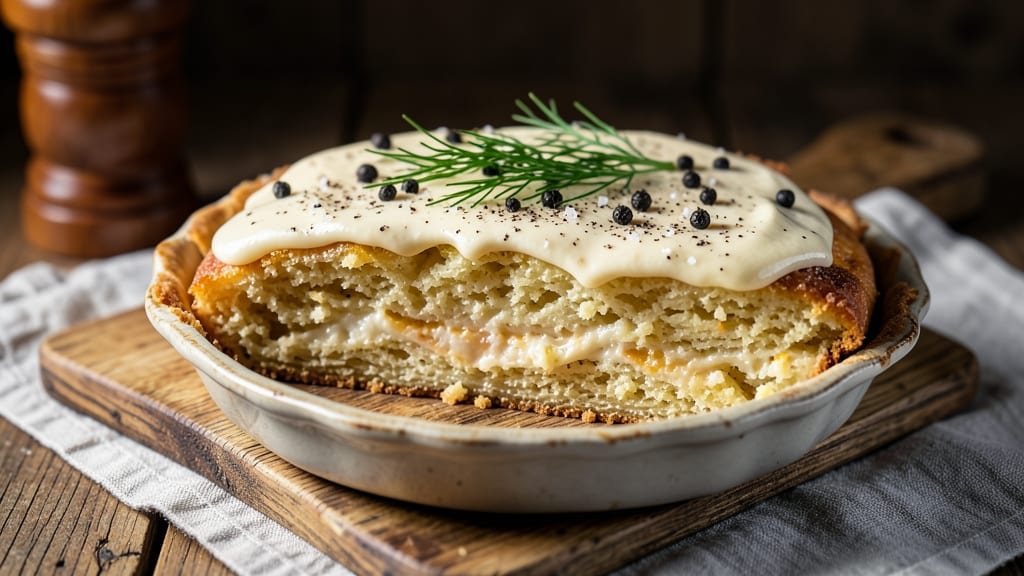
This basic potato cake recipe delivers the perfect balance of crispy golden edges and tender centers—just like your favorite diner classic. 🔥 The secret lies in the lattice technique that creates a crispy top while keeping the inside fluffy, paired with herby mayo that ties everything together.
I've perfected this method through years of testing, ensuring every bite delivers that satisfying crunch and comforting potato flavor.
The beauty of this recipe is its simplicity—just a few staple ingredients transform into a side dish that steals the show. Grated potatoes form the foundation, while eggs and flour bind everything together for structure.
The lattice pattern isn't just decorative; it creates those coveted crispy edges while allowing steam to escape, preventing soggy centers. This method works whether you're frying or baking, giving you flexibility for any kitchen setup.
By the time you're done, you'll have golden-brown potato cakes with a crispy lattice top that shatters at every bite and a herby mayo that adds freshness to each savory piece.
The aroma alone will have everyone gathering around the table, and the texture contrast—crispy outside, tender inside—makes this dish impossible to resist. Serve with extra mayo for dipping or alongside your favorite main course for a complete meal.
This recipe scales beautifully for parties or meal prep, and the technique is foolproof once you master the lattice pattern. Whether you're making them for a holiday gathering or a weeknight dinner, these potato cakes will become a staple in your cooking rotation.
Let's get started on creating this classic side dish that's always a crowd-pleaser.
Ingredients for basic potato cake
Just 11 simple ingredients transform into golden potato cakes with crispy lattice tops.
| Ingredient | Amount | Notes |
|---|---|---|
| Russet Potatoes 🥔 | 2 lb | Cold grated, no liquid squeezed out |
| Large Eggs 🥚 | 2 whole | Room temperature preferred |
| All-Purpose Flour 🌾 | ½ cup | Sifted for light texture |
| Salt 🧂 | 1 tsp | Kosher or sea salt |
| Black Pepper 🌶️ | ½ tsp | Freshly ground for flavor |
| Mayonnaise 🥫 | ½ cup | Store-bought or homemade |
| Fresh Dill 🌿 | ¼ cup | Chopped finely for herby taste |
| Fresh Chives 🌱 | 2 tbsp | Minced for bright flavor |
| Lemon Juice 🍋 | 1 tbsp | Freshly squeezed for tang |
| Vegetable Oil 🫒 | 2 cups | For frying, high smoke point |
| Panko Breadcrumbs 🍞 | ¼ cup | For extra crispiness (optional) |
The potatoes are everything here—Russet is ideal because it's starchy and grates smoothly. Grab a box from Trader Joe's or your local grocery store's produce section, and let them sit out for 30 minutes before grating so they're easier to handle. I always use a box grater with medium holes (not the tiny ones) to get that perfect texture. The key is to squeeze out all the liquid with a clean kitchen towel—this keeps your cakes from turning soggy. For the mayo, I like Hellmann's or Duke's for consistency, but homemade works too if you've got it. Fresh herbs make all the difference, so don't grab those dried packets—they taste like dust.
No dill? Fresh parsley at double the amount works in a pinch, though it won't have that same bright flavor. Running out of chives? Green onion tops chopped fine will give you a similar oniony kick. If you're frying, vegetable or canola oil is your best bet—avoid olive oil, it burns too easily. For baking instead of frying, just brush the tops with a little oil before adding the lattice. The panko is optional but adds that extra crunch—Japanese panko is best, but regular breadcrumbs work if that's what you've got. And if you're short on time, skip the lattice entirely—just cut the cakes into squares for a simpler version.
Store the grated potatoes in a sealed container in the fridge for up to 24 hours before shaping. The cooked cakes keep well in an airtight container for 3 days in the fridge or 3 months in the freezer. Reheat in a skillet or oven until crispy again. I like to make a big batch and freeze them—just pop one in the oven whenever I need a quick side dish. The herby mayo stays fresh for 5 days in the fridge, so make extra for sandwiches or salads. These reheat beautifully, but honestly, they're even better the second day once everything's had time to meld.
Why You'll Love This Recipe
- Four-Ingredient Magic: I swear, you can’t mess this up. Russets, eggs, flour, salt—throw them in a bowl, mix, and bake. That’s it. No fancy techniques, no last-minute grocery runs.
- Crispy-Creamy Payoff: The outside gets golden and shatteringly crisp, while the inside stays tender—like a hug from your grandma’s kitchen. Honestly, that contrast is all you need to make it crave-worthy.
- Leftover Goldmine: Bake a big batch on Sunday, and you’ve got breakfast, lunch, or dinner covered all week. Reheat slices in the oven, or toss cold ones into salads for texture. My kids even sneak them for snacks.
- Budget Breakthrough: Potatoes and eggs stretch your dollar without sacrificing flavor. Between us, this is the kind of recipe that makes grocery day feel like a win—simple, filling, and always satisfying.
Step-by-step instructions for crispy potato cake
Here's how to build a golden, lattice-topped potato cake with herby mayo magic—crispy outside, creamy inside.
👨🍳 Step 1: Grate and Drain the Potatoes
Peel the 2 lb russet potatoes and grate them using the large holes of a box grater. Work in batches if needed—this keeps the potatoes from releasing too much moisture. Transfer the grated potatoes to a clean kitchen towel and gently squeeze out all excess liquid by twisting and wringing the towel. You want the potatoes to be dry but not packed down.
Spread the grated potatoes on a baking sheet lined with parchment paper and refrigerate for 15 minutes. This extra drying step prevents a soggy cake. While they chill, preheat your oven to 375°F—we'll need it shortly for the lattice topping.
🥘 Step 2: Mix the Batter with Herby Mayo
In a large mixing bowl, combine the cold grated potatoes, 2 whole large eggs, 0.5 cup all-purpose flour, 1 tsp salt, and 0.5 tsp black pepper. Use a wooden spoon or silicone spatula to gently fold everything together until just combined—don't overmix or the cake will be dense.
In a small bowl, mix together the 0.5 cup mayonnaise, 0.25 cup finely chopped fresh dill, 2 tbsp minced fresh chives, and 1 tbsp lemon juice. Fold this herby mayo mixture into the potato batter until evenly distributed. The mayo adds richness and helps create that signature creamy texture.
🍳 Step 3: Bake the Base Layer
Grease a 9-inch round cake pan with vegetable oil and pour in the potato batter, pressing it down gently and evenly. The batter should reach about halfway up the sides of the pan. Bake in the preheated 375°F oven for 25-30 minutes until the top is golden brown and a toothpick inserted in the center comes out clean.
While the base bakes, prepare the lattice topping. Cut a 9x13-inch sheet of parchment paper into 1-inch wide strips (about 10 strips total). You'll use these to create the classic lattice pattern. Keep them nearby so they don't dry out.
🔥 Step 4: Create the Lattice Topping
Once the base is baked, remove it from the oven and let it cool for 5 minutes. While it cools, spread 0.25 cup panko breadcrumbs on a small plate—this will add extra crunch to your lattice. Brush the top of the cooled base with a thin layer of vegetable oil using a pastry brush.
Arrange the parchment strips in a lattice pattern over the potato cake, alternating perpendicular strips. Brush each strip lightly with vegetable oil, then sprinkle with panko breadcrumbs. Return the cake to the oven and bake for an additional 10-12 minutes until the lattice is golden brown and crispy.
⏰ Step 5: Rest and Serve Warm
Remove the potato cake from the oven and let it rest for 10 minutes before slicing. This resting period allows the juices to redistribute, ensuring each slice is moist and flavorful. The lattice topping should be beautifully golden and crispy, while the interior remains creamy and herby.
Slice into wedges and serve warm. The contrast between the crispy lattice top, creamy potato interior, and herby mayo filling makes this potato cake irresistible. For extra flavor, serve with a dollop of sour cream or additional herbed mayo on the side.
Pro Tips For Making Basic Potato Cake
- Boil Potatoes Until Fork-Tender: Russets stay dry and crumbly if you overcook them—aim for a knife sliding in like butter, not falling apart like mashed potatoes. I learned this the hard way when my first batch turned into gluey pancakes. Drain immediately and let them steam-dry for 2 minutes in the pot; this removes excess moisture before grating.
- Grind Potatoes Coarse, Not Fine: Skip the food processor—use a box grater with large holes or pulse in batches. Fine shreds make the cake dense, while slightly chunky texture keeps it light and crispy. (Yes, it’ll look uneven, but that’s how you know it’s right.)
- Let Batter Rest 10 Minutes: Mixing eggs and potatoes too soon releases starch like a flood, turning your cake into a gummy slab. After combining everything, cover and walk away—this lets the flour absorb moisture properly. I used to skip this and wondered why my cakes fell apart when flipping.
- Cook Low and Slow: High heat = burnt outside, raw inside. Start on medium-low, then crank to medium only after the edges set (about 3-4 minutes). This guarantees a golden crust without a rubbery center. (Your future self will curse you if you rush this.)
Serving suggestions for this basic potato cake
Classic Diner Pairings
Serve these potato cakes alongside a crispy bacon breakfast platter—the salty, smoky flavor of bacon cuts through the richness of the potato cake beautifully. I like to arrange the slices in a stack with a few crispy bacon strips on top for presentation.
Pair with scrambled eggs and hash browns for a full diner-style breakfast that feels like a home-cooked hug. 🍳
Herb-Infused Dips
Skip the plain mayo and offer herb-infused dips to elevate your serving. Mix ½ cup Greek yogurt with 1 tbsp chopped dill, 1 tsp lemon zest, and a pinch of salt for a lighter option.
Another favorite is spicy sour cream—combine ½ cup sour cream with ½ tsp smoked paprika and 1 tsp hot sauce. Serve in small bowls for dipping or drizzle over the top of each slice. 🥄
Protein Pairings
For a hearty meal, pair your potato cakes with pan-seared chicken tenders or smoked salmon. The crispy texture of the cakes balances the tender protein perfectly. If you're serving for a crowd, pulled pork sandwiches with a tangy BBQ sauce make an amazing combo.
For vegetarians, grilled portobello mushrooms with a balsamic glaze add an earthy contrast. 🍖
Sweet Contrast
Balance the savory potato cakes with a light fruit salad featuring berries and citrus. The acidity of strawberries, blueberries, and orange slices refreshes your palate after each bite. Another sweet option is vanilla bean ice cream—the creamy texture contrasts wonderfully with the crispy lattice.
For a boozy twist, serve with sparkling apple cider or a dry Riesling to complement the herby flavors. 🍓
Meal Prep Serving
When prepping ahead, store the potato cakes in an airtight container and reheat in a skillet with a splash of water to restore crispiness. Serve with pre-made coleslaw or pickled vegetables for a quick, no-fuss meal.
For a complete lunchbox, pack the cakes with turkey slices and cheddar cheese—it’s like a deconstructed potato cake sandwich. 🧺
Holiday Feast Side
Transform these potato cakes into a Thanksgiving or Christmas side dish by adding sautéed onions and crispy prosciutto to the batter. Serve warm with roasted turkey or ham, and garnish with fresh parsley for a festive touch.
The lattice topping adds an elegant presentation that feels special for holiday gatherings. 🎄
Nutrition facts
Frequently asked questions
Can I use sweet potatoes instead of russets?
Sweet potatoes work but will change the texture and flavor. They're naturally moister and sweeter, which can make the cakes denser. If you try it, add an extra 1 tablespoon of flour and squeeze out more liquid. For best results, stick with russets for that classic crispy-tender balance.
How do I make these without an oven?
You can absolutely pan-fry them! Shape the potato mixture into small patties and cook in ½-inch of hot oil over medium-high heat for 3-4 minutes per side until golden. For extra crispiness, press panko breadcrumbs on top before flipping. Serve immediately for best texture.
Why did my potato cake turn out soggy?
Soggy cakes usually mean too much moisture. Double-check you squeezed out all liquid from the grated potatoes and didn't overmix the batter. Also ensure your pan is properly greased. For frying, use enough oil to create a barrier between the cake and pan.
Can I make these ahead and reheat?
Yes! Store baked potato cakes in an airtight container for 3 days in the fridge or 3 months in the freezer. To reheat, bake at 350°F for 10-15 minutes or pan-fry for 2 minutes per side with a splash of water to restore crispiness.
What's the secret to extra crispy edges?
The lattice topping is key! Brush the strips with oil and press panko firmly into the parchment. For even crispier results, bake the base slightly longer (35-40 minutes) until fully set before adding the lattice. Also ensure your oven is fully preheated.