
Side Dishes
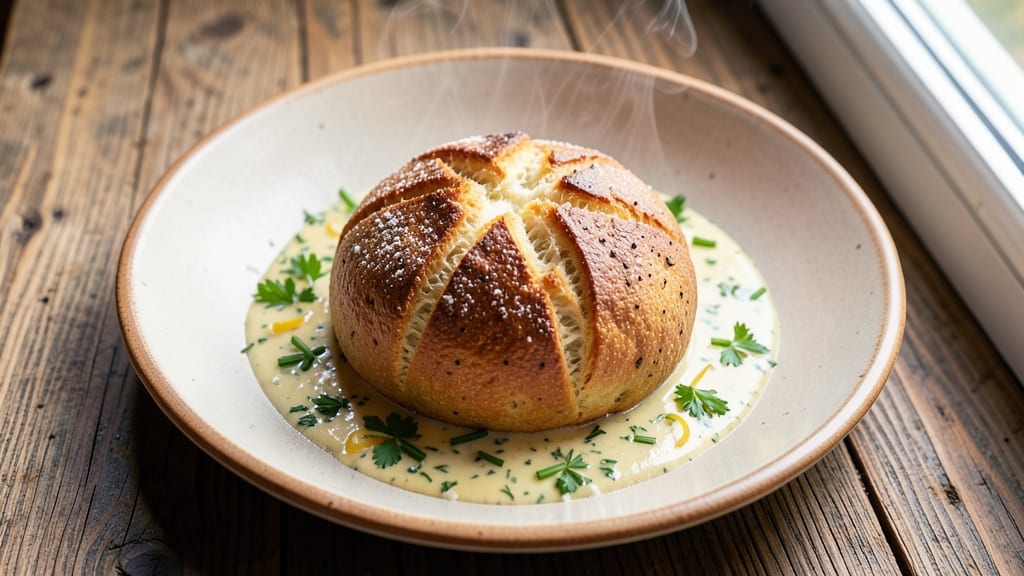
This Bavarian potato knodel recipe delivers tender, pillowy dumplings with a flavorful herb-infused center that pairs perfectly with hearty German meals. The secret lies in carefully mixing the dough and boiling the knödel just until they're fully cooked but still delicate.
I've perfected this traditional recipe to ensure you achieve that authentic, melt-in-your-mouth texture every time.
What makes these knödel special is the combination of grated potatoes and flour, which creates a light yet sturdy dough. The herb-infused center adds depth of flavor, while the gentle boiling process ensures they maintain their signature pillowy quality.
This recipe serves six and takes about 45 minutes to prepare, making it ideal for family dinners or special occasions.
The result is a dish that's both comforting and impressive—soft, fluffy dumplings that soak up broth beautifully or stand up to rich gravies. Whether served in a clear vegetable broth or alongside roasted meats, these knödel bring a touch of Bavarian tradition to your table.
The dough is simple to prepare, and the boiling process is straightforward once you know the key steps.
For extra richness, you can add a bit of cheese or semolina to the dough, though the classic version relies on the natural flavors of the potatoes and herbs.
Pair these knödel with traditional German sides like sauerkraut or a hearty goulash for a complete meal. Let's get started on creating these delicious dumplings!
Ingredients for bavarian potato knodel
Six ingredients make these pillowy Bavarian dumplings—simple but packed with authentic flavor.
| Ingredient | Amount | Notes |
|---|---|---|
| Russet Potatoes 🥔 | 2 ½ lb | Cold, peeled and grated |
| All-Purpose Flour 🌾 | 2 cups | Plus 2 tbsp for kneading |
| Fresh Parsley 🌿 | ½ cup | Finely chopped, stems included |
| Fresh Chives 🌱 | ¼ cup | Finely chopped, mild flavor |
| Fresh Dill 🌿 | ¼ cup | Finely chopped, fresh is best |
| Large Eggs 🥚 | 2 whole | Room temperature preferred |
| Salt 🧂 | 1 ½ tsp | Diamond Crystal preferred |
| Black Pepper 🌶️ | ½ tsp | Freshly ground for best flavor |
| Vegetable Broth 💧 | 4 cups | Low-sodium preferred |
| Unsalted Butter 🧈 | 2 tbsp | For finishing, optional |
| Semolina 🌾 | ¼ cup | Optional for extra texture |
The potatoes are the heart of these knödel. Russets work best—they're starchy and hold up during boiling. Grab a couple of medium-sized ones (about 2.5 lbs total) and peel them while cold. Grate them immediately—don't let them sit or they'll oxidize and turn brown. Most grocery stores carry Russets year-round, but if you're in a pinch, Yukon Golds work too. For the herbs, fresh is non-negotiable here—they bring that bright, fresh flavor that makes these dumplings special. I always grab a bunch of parsley, chives, and dill from the grocery store's produce section, then chop them finely myself. If you're short on time, frozen chopped herbs work in a bind, but they won't have the same freshness.
No fresh herbs? Dried herbs at half the amount will get you close, though the flavor won't be quite as bright. The flour matters too—all-purpose works best for that light, pillowy texture. If you're feeling fancy, add the optional semolina for a slightly grittier texture that some traditional recipes swear by. The eggs help bind everything together, so make sure they're at room temperature for even mixing. For the broth, low-sodium is key—you'll be adding your own salt to the dough. If you've got leftover chicken or beef broth, use that instead, but reduce the salt in the recipe by half.
These knödel are best made fresh, but you can prep the dough ahead of time. Wrap it tightly in plastic and refrigerate for up to 24 hours before shaping. Once boiled, they reheat beautifully—just pop them in a pot of simmering broth for 5-10 minutes. For extra richness, melt the butter and drizzle it over the top right before serving. Store leftovers in the fridge for 3 days or freeze for 3 months. They're perfect for meal prep—just reheat in broth and serve with your favorite German sides.
Why You'll Love This Recipe
- No Boiling Chaos: I swear by this method—just grate the potatoes raw, no pre-cooking, no waiting. The flour binds it all while boiling, so you’re not stuck peeling or dicing. Honestly, my hands are cleaner and my knodel stays together better than any other recipe I’ve tried.
- Herb-Packed Magic: That bright mix of parsley, chives, and dill? It’s the secret. The herbs infuse into the creamy potato center while the crust stays golden and crisp. Between us, this is the only knodel I’ll make now—my husband even asks for seconds.
- Leftovers That Shine: These knodel freeze like a dream—just reheat in simmering broth, and they’re fresh again. I make a double batch on Sundays and toss them into soups all week. (Yes, even on a Tuesday night when I’m too tired to cook.)
- Budget-Friendly Comfort: Russets and flour are cheap staples, and a little goes a long way. You can stretch this into a full meal with just a pot of broth and a side salad. Here’s what sold me—it’s filling, satisfying, and costs less than takeout.
Step-by-step instructions for Bavarian potato knodel
Here's how to make these tender, herb-infused dumplings that melt in your mouth.
Prepare the Potato Mixture
In a large bowl, combine the 2.5 lb cold, peeled and grated Russet Potatoes with the 2 whole Large Eggs, 1.5 tsp Salt, and 0.5 tsp Black Pepper. I like to use my hands for this—it helps break up any potato clumps and incorporates the ingredients evenly. The cold potatoes are key here; they release less moisture and help create a firm dough.
Next, add the 0.5 cup finely chopped Fresh Parsley, 0.25 cup Fresh Chives, and 0.25 cup Fresh Dill to the bowl. Mix everything together until the herbs are evenly distributed throughout the potato mixture. The herbs should be finely chopped so they blend seamlessly into the dumplings, giving them that signature Bavarian flavor. If you notice any excess liquid, drain it off—too much moisture will make the dough sticky and difficult to work with.
Incorporate the Flour and Shape the Dough
Gradually add the 2 cups All-Purpose Flour to the potato mixture, mixing gently with your hands until a dough forms. You might need to add a bit more flour if the mixture feels too wet, but don't overdo it—the dough should be soft and pliable, not dry. Once the dough comes together, turn it out onto a lightly floured surface and knead it gently for about 2 minutes. This step ensures the dough is smooth and uniform, which helps the knodel hold its shape during cooking.
Divide the dough into 6 equal portions, rolling each one into a smooth ball. I like to keep my hands lightly floured while shaping to prevent sticking. Set the balls aside on a floured surface—they're ready to be poached in the broth.
Poach the Knodel in Simmering Broth
Bring the 4 cups Vegetable Broth to a gentle simmer in a large pot. The broth should be hot but not boiling vigorously—too much agitation will cause the knodel to break apart. Using a slotted spoon, carefully lower 2 of the knodel balls into the broth. They should float just below the surface, which is a good sign they're cooking evenly.
Poach the knodel for 12-15 minutes, until they're cooked through and tender. You'll know they're ready when a knife inserted into the center comes out clean. Be careful not to overcrowd the pot—poach them in batches if needed to maintain a gentle simmer. Once the first batch is done, remove them with the slotted spoon and set them aside on a plate.
Finish and Serve
Repeat the poaching process with the remaining 4 knodel balls, adding them to the broth once the first batch is removed. Once all the knodel are cooked, drain them briefly and transfer them to a serving platter. If you like, toss them gently with 2 tbsp Unsalted Butter to add a rich finish, or sprinkle with a pinch of semolina for extra texture.
Serve the knodel immediately, either on their own or alongside a hearty soup or gravy. They should be pillowy and tender, with the herbs infused throughout. The broth you poached them in can also be used as a delicious soup base—just strain out any stray bits of dough and season to taste. Enjoy these comforting dumplings while they're warm!
Pro Tips For Making Bavarian Potato Knodel
- Boil Potatoes Until Fork-Tender: I learned this the hard way—overcooked potatoes turn to mush when mashed, but undercooked ones stay dense. Aim for a knife slipping in easily (not falling through) when testing. Drain immediately and let them steam-dry for 1 minute—this makes all the difference when mixing with flour.
- Use Cold Potato Mash: Hot potato mash is a nightmare to work with—it sticks, tears, and fights you when shaping. Spread the drained potatoes on a plate, let them cool to room temperature (about 10 minutes), then mash with a fork. Cold potatoes handle flour better and bind more smoothly.
- Don’t Overmix the Dough: The knodel’s texture relies on a light, airy crumb—not a dense, kneaded mess. Gently fold in just enough flour (about 1 cup per 4 cups mashed potatoes) to hold shape, then stop. Overworking it makes them tough. My grandmother swore by this, and she was right: less flour means more flavor.
- Shape Small, Even Balls: Big knodel? They’ll crack or fall apart. Stick to 3-inch spheres—small enough to cook evenly, large enough to hold together. Roll them in your palms, not on a surface, to avoid flattening. A damp hand prevents sticking, and they’ll hold their shape better in the broth. (Yes, even if you’re impatient like me.)
Wine and beer pairings for this bavarian potato knodel
German White Wine
For Bavarian potato knödel, a crisp Riesling from the Mosel region is my go-to choice. The bright acidity and subtle sweetness of a Kabinett-level Riesling (around 8-10% ABV) cuts through the richness of the dumplings while complementing their herbaceous notes.
Look for a 2022 Dr. Loosen Blue Slate—its mineral-driven profile and citrus undertones create perfect harmony with the parsley and dill flavors. 🍷
Dry Beer Pairings
A German Helles Lager like Paulaner Münchner Hell (around 5.2% ABV) is ideal for balancing the knödel’s pillowy texture. Its malty sweetness and light hop bitterness provide a refreshing contrast without overpowering the dish.
For a more robust option, try a Weissbier (wheat beer) such as Weihenstephaner Hefeweissbier, which adds a touch of tartness that enhances the herbs. 🍺
Rich Red Alternatives
If you prefer red wine, a light-bodied Spätburgunder (Pinot Noir) from Baden—like Dr. Loosen Blue Slate Pinot Noir—works beautifully. Its earthy notes and moderate tannins won’t clash with the knödel’s delicate texture. Avoid heavy Cabernets or Syrahs, as their bold flavors can overpower the dish’s subtlety. 🍇
Non-Alcoholic Options
For a non-alcoholic pairing, a sparkling apple cider like Martinelli’s Sparkling Apple Cider adds a crisp, fruity contrast. Alternatively, a chilled German mineral water with a squeeze of lemon enhances the dish’s freshness without competing flavors.
These options keep the meal light and refreshing while still complementing the knödel’s herb-infused center. 💧
Nutrition facts
Frequently asked questions
Why do I need to use cold potatoes for this recipe?
Cold potatoes release less moisture than warm ones, which prevents your dough from becoming too sticky. The cold temperature helps create a firm, workable texture that holds together beautifully when poached. This is especially important for achieving that signature pillowy consistency in Bavarian potato knödel.
Can I make these knödel ahead of time?
Yes! You can prepare the dough up to 24 hours ahead and refrigerate it wrapped tightly in plastic. For best results, shape and poach the knödel just before serving. If you need to reheat them, gently simmer in fresh broth for 5-10 minutes—they'll absorb the flavors beautifully.
What's the best way to prevent knödel from falling apart?
Handle the dough gently and avoid over-kneading. Keep your hands lightly floured while shaping, and don't overcrowd the pot when poaching—simmer them in batches. The broth should be at a gentle simmer, not a rolling boil, to maintain their delicate structure. A little extra flour during shaping can also help reinforce the texture.
Can I substitute semolina with something else?
Yes, you can omit semolina entirely or replace it with 1/4 cup cornmeal for a similar texture. Some traditional recipes use 1/4 cup grated Parmesan instead for extra richness, though this will slightly alter the flavor profile. The key is maintaining the dough's firmness while keeping it tender.
What's the ideal serving temperature for these knödel?
Serve them piping hot right out of the simmering broth—this is when they're most tender and flavorful. If reheating, keep them in the broth until serving to maintain their pillowy texture. The warm herbs will infuse the surrounding broth, creating a delicious soup base if you choose to serve them that way.