
Side Dishes
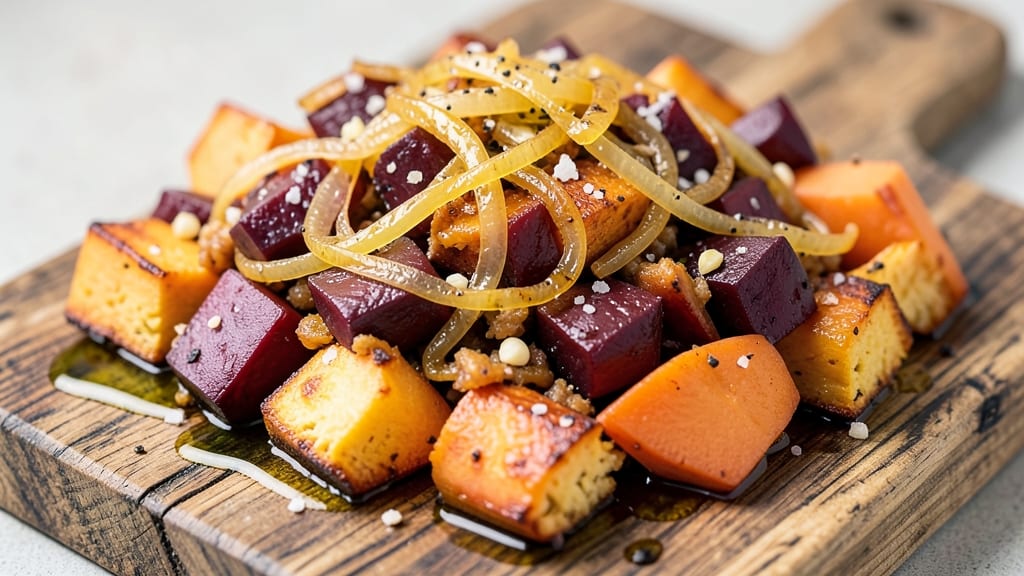
This sweet potato beet hash recipe delivers restaurant-quality texture in just 20 minutes—crispy edges, tender centers, and a perfect balance of earthy sweetness. 🔥 The secret lies in high-heat searing, where diced sweet potatoes and beets develop caramelized edges while staying moist inside, creating that addictive crunch we all crave.
What sets this hash apart is the smoky depth from smoked paprika and cumin, paired with bright acidity from apple cider vinegar. Unlike traditional hash recipes, this version incorporates beets for natural sweetness and vibrant color, while onions and garlic build aromatic layers that make every bite complex.
The technique is simple but precise—cutting ingredients uniformly ensures even cooking and consistent texture.
By the time you plate it, you'll have a dish that's equally at home as a side for breakfast or a hearty vegetarian main. The crispy edges contrast beautifully with the tender vegetables, and the smoky-spiced flavor profile makes it satisfying enough to stand alone.
Serve with a fried egg on top or alongside avocado for extra richness.
This recipe proves you don't need meat to create a restaurant-worthy hash—just the right combination of technique, seasoning, and fresh ingredients. Let's get cooking!
Ingredients for sweet potato beet hash
High-quality vegetables and precise seasoning create this restaurant-worthy sweet potato beet hash.
| Ingredient | Amount | Notes |
|---|---|---|
| Yellow Onions 🧅 | 1 whole | Thinly sliced for aromatic base |
| Garlic Cloves 🧄 | 4 cloves | Minced for depth of flavor |
| Russet Potatoes 🥔 | 1 lb | Diced into 1/2-inch cubes |
| Sweet Potatoes 🍠 | 1 lb | Diced into 1/2-inch cubes |
| Beets 🍠 | 1 lb | Diced into 1/2-inch cubes, raw |
| Extra-Virgin Olive Oil 🫒 | ½ cup | High smoke point preferred |
| Smoked Paprika 🌶️ | 1 tbsp | For authentic smoky depth |
| Ground Cumin 🌿 | 1 tsp | Toasted for enhanced aroma |
| Apple Cider Vinegar 🍎 | 1 tbsp | Brightens overall flavor |
| Kosher Salt 🧂 | 1 ½ tsp | Diamond Crystal preferred |
| Freshly Ground Black Pepper 🌶️ | ½ tsp | For subtle heat |
| Fresh Thyme Leaves 🌿 | ¼ cup | Chopped for herbal brightness |
| Avocado Oil 🫒 | 1 tbsp | For high-heat searing |
The vegetables are the foundation—organic beets and sweet potatoes from Whole Foods or your local farmers market yield the best texture and sweetness. Look for firm, vibrant beets with no soft spots and sweet potatoes with smooth, unblemished skin. The onions and garlic should be fresh—yellow onions with crisp white centers and garlic cloves that smell pungent when peeled. For the potatoes, Russet and sweet potatoes work best due to their starch content, which helps achieve that perfect crispy edge. If you can't find organic, conventional is fine, but give them a thorough rinse before dicing. The key to even cooking is uniform cutting—aim for 1/2-inch cubes across all vegetables.
No smoked paprika? Substitute with a mix of regular paprika and a pinch of liquid smoke—though nothing beats the real thing for that authentic smoky depth. Fresh thyme is ideal, but dried thyme at one-third the amount works in a pinch. If apple cider vinegar isn't available, white wine vinegar or lemon juice will provide the necessary acidity. For high-heat searing, avocado oil or refined olive oil is essential—they have higher smoke points than extra-virgin olive oil. The extra-virgin olive oil is better suited for finishing the dish rather than initial searing. If you're using pre-diced potatoes or beets from the store, pat them dry thoroughly before cooking to ensure maximum crispiness.
This hash reheats beautifully—simply warm it in a skillet with a splash of water or broth for 3-4 minutes over medium heat. Store leftovers in an airtight container in the fridge for up to 5 days, though the texture will soften slightly over time. For longer storage, freeze portions in a single layer before transferring to a sealed bag for up to 3 months. To maximize crispiness when reheating from frozen, thaw overnight in the fridge and then crisp in a hot skillet with a touch of oil. The dish pairs perfectly with a fried egg on top or alongside avocado slices for added richness and creaminess.
Why You'll Love This Recipe
- One-Pan Magic: I swear by this—just chop, toss, and let the pan do the work. No flipping between pots, no messy cleanup. The beets caramelize right alongside the crispy potatoes, and honestly? That’s my kind of cooking.
- Sweet Earthy Crunch: That first bite—where the garlic hits, the beets add a deep sweetness, and the potatoes get that perfect golden crust? It’s like a hug in a skillet. The onions melt into the mix, but the texture? Chef’s kiss.
- Meal Prep MVP: Make a big batch on Sunday, and you’ve got breakfast, lunch, or a side covered all week. I pack it cold for work lunches, or reheat it for a lazy dinner. Even my picky-eating teen sneaks seconds—(yes, even on a Tuesday night).
- Budget-Friendly Powerhouse: Sweet potatoes and beets stretch a dollar further than you’d think. Russets add heartiness, and onions/garlic bulk it up without breaking the bank. I’ll be real: it’s the kind of dish where you double the recipe just because you can.
Step-by-step instructions for sweet potato beet hash
This earthy-sweet hash delivers restaurant-quality crunch and depth in under 20 minutes.
🔥 Step 1: Sear the Potatoes and Beets for Maximum Crunch
Heat the 1 tablespoon avocado oil in a large cast-iron skillet over medium-high heat until shimmering. Add the 1 lb diced russet potatoes and 1 lb diced sweet potatoes in a single layer, leaving space between pieces. Let them sear undisturbed for 8-10 minutes until deep golden brown on the bottom.
Here's the thing—don't stir during the first 5 minutes. This creates the perfect crispy crust. Once they're browned, carefully flip the pieces and add the 1 lb diced beets. Cook for another 5-6 minutes until the beets begin to soften slightly at the edges. If the pan gets too crowded, work in batches to maintain even browning.
🍳 Step 2: Build Flavor with Aromatics and Spices
Push the seared vegetables to one side of the skillet and add 1 tablespoon extra-virgin olive oil to the empty space. Add the 1 whole thinly sliced yellow onions and cook for 3-4 minutes until softened and translucent. Add the 4 cloves minced garlic and cook for 30 seconds until fragrant—don't let it burn.
Stir in the 1 tablespoon smoked paprika, 1 teaspoon ground cumin, 1.5 teaspoons kosher salt, and 0.5 teaspoon freshly ground black pepper. Toss everything together for 1 minute to distribute the spices evenly. The hash should smell deeply aromatic with notes of smoke and earthiness—this is where the magic happens.
🥘 Step 3: Finish with Brightness and Herbal Depth
Pour in the 1 tablespoon apple cider vinegar and 0.25 cup chopped fresh thyme leaves, stirring vigorously to combine. The vinegar brightens the earthy flavors while the thyme adds herbal complexity. Cook for another 2-3 minutes until everything is heated through and the thyme releases its aroma.
Taste and adjust seasoning if needed—you might want to add a pinch more salt or a crack of black pepper. The hash should be perfectly balanced between sweet, earthy, and slightly tangy. For extra richness, drizzle with an additional 1 tablespoon extra-virgin olive oil before serving.
🍽️ Step 4: Serve Immediately with Crispy Edges
Transfer the hash to serving plates while still hot, ensuring those beautiful crispy edges remain intact. Serve immediately as the texture changes quickly once removed from the pan. This hash pairs beautifully with a fried egg on top, fresh herbs, or a dollop of Greek yogurt for extra creaminess.
Real talk: the key to success is high heat and patience. Don't rush the searing—those golden brown edges are what make this hash extraordinary. Each bite should deliver a perfect balance of textures: crispy edges, tender centers, and a vibrant, flavorful finish.
Pro Tips For Making Sweet Potato Beet Hash
- CUT BEETS UNIFORMLY: I learned this the hard way—jagged beet chunks turn to mush while potatoes stay firm. Dice them into ½-inch cubes, same size as the potatoes, so everything cooks evenly. (Yes, it takes 10 extra seconds, but your hash won’t fall apart.)
- SWEAT ONIONS LOW AND SLOW: Crank the heat to medium-low for onions and garlic—high heat means bitter, charred bits. Let them soften for 8-10 minutes until translucent, stirring only when they stick. This builds the flavor base without burning, and you’ll taste the difference.
- STEAM POTATOES FIRST: Parboil russets and sweet potatoes for 5 minutes before frying—this guarantees they’re tender inside without turning to paste. Drain well, then pat dry with a towel. Wet potatoes steam instead of crisp, and nobody wants soggy hash.
- ADD BEETS LAST: Beets release water when cooked, so toss them in only during the final 3-4 minutes. If you add them early, your hash turns into a sad, wet mess. Save the beets for the end and let their color brighten the whole dish.
Troubleshooting this recipe
Undercooked Centers
If your hash turns out mushy instead of crispy, you likely didn’t sear the potatoes and beets long enough. The key is high heat—use medium-high to high and give them 8-10 minutes undisturbed to develop a golden crust.
I’ve found that crowding the pan also causes uneven cooking, so work in batches if needed. For extra insurance, pat all vegetables completely dry before searing—moisture steams instead of crisps. 🔥
Beets Bleeding Color
Beets can turn your hash pink if overcooked, but this is easy to fix. Add them after the potatoes have already seared for 5-6 minutes, then cook just until tender (about 5 minutes total).
If you notice bleeding early, stir in 1 teaspoon apple cider vinegar or lemon juice to brighten the color and cut the intensity. For a deeper red hue, try roasting the beets first at 400°F for 20 minutes before dicing.
Burnt Onions or Garlic
Onions and garlic burn quickly, so keep them moving! Cook onions over medium heat (not high) for 3-4 minutes until soft, then add garlic for just 30 seconds—no longer. If they darken too fast, remove from the pan and add them back later.
For extra flavor without the risk, sauté garlic separately in a small pan with 1 teaspoon olive oil until golden, then stir into the hash at the end. 🌶️
Flat or Bland Flavor
If your hash tastes dull, the spices likely didn’t toast enough. Bloom your smoked paprika and cumin in the oil for 30 seconds before adding other ingredients—this deepens their aroma. For extra depth, add ½ teaspoon liquid smoke or a pinch of cayenne pepper at the end.
I also recommend toasting whole cumin seeds in a dry pan for 1 minute before grinding them fresh for the recipe.
Sticky or Greasy Texture
Too much oil makes hash greasy, but not enough prevents crispiness. Use 1 tablespoon avocado oil for searing and 1 tablespoon extra-virgin olive oil for finishing—this balances texture. If your hash feels sticky, drain excess oil on a paper towel-lined plate before serving.
For a lighter version, use a nonstick skillet (like Mauviel M’Cook) and reduce oil by ½ teaspoon while increasing heat slightly.
Nutrition facts
Frequently asked questions
Can I use regular potatoes instead of sweet potatoes?
You can substitute regular potatoes, but the flavor will be less sweet and earthy. For best results, use a mix of 1 lb russet potatoes and ½ lb sweet potatoes to balance texture and sweetness. The sweet potatoes add natural caramelization that regular potatoes lack.
How do I make this hash spicier?
Add ½ teaspoon cayenne pepper or 1 teaspoon chili flakes when blooming the spices. For heat with depth, stir in 1 teaspoon gochujang (Korean chili paste) at the end. If you love smoky heat, increase smoked paprika to 2 tablespoons and add a pinch of chipotle powder.
Can I make this hash ahead of time?
Yes, but texture changes after cooling. Cook the hash as directed, then refrigerate for up to 3 days in an airtight container. To reheat, warm in a skillet with 1 tablespoon water or broth over medium heat for 3-4 minutes, stirring occasionally. For best results, crisp fresh pieces in the pan before serving.
What's the best way to store leftover beets?
Store raw beets in the fridge wrapped in a damp towel for up to 1 week. Cooked beets keep for 5 days in an airtight container. For long-term storage, freeze cooked beets for up to 3 months—thaw overnight in the fridge before using. Never freeze raw beets as they become mushy when thawed.
Can I add protein to this vegetarian hash?
Top with a fried egg for richness or stir in ½ cup crumbled tofu (pan-fried until crispy) at the end. For extra protein, add ½ cup chickpeas (tossed in spices) during the final 5 minutes of cooking. Black beans also work well for a heartier texture.