
Side Dishes
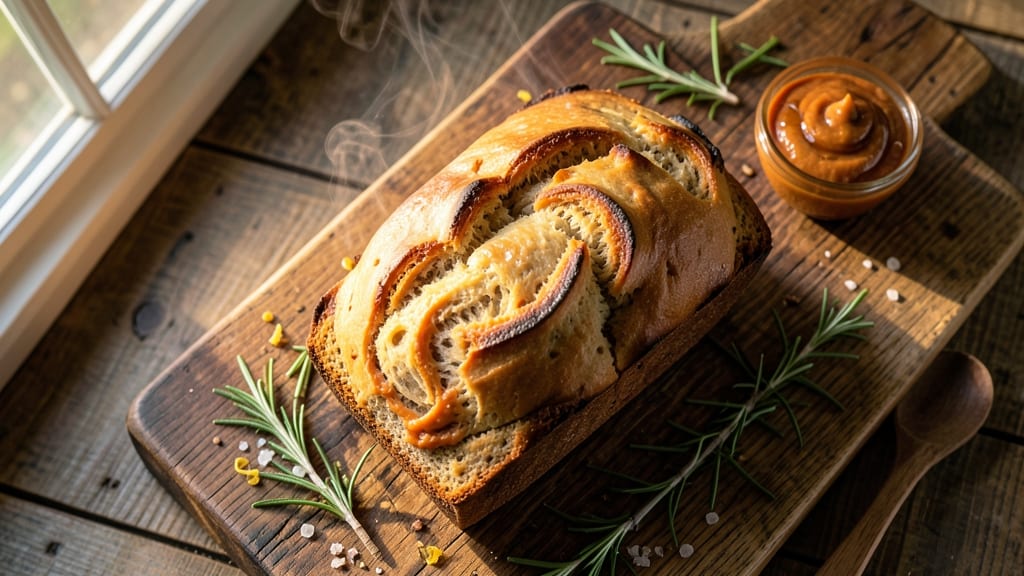
Sweet potato bread machine recipes transform humble pantry staples into aromatic, moist loaves with minimal effort. The secret lies in blending tender sweet potato puree with warm spices—cinnamon, nutmeg, and ginger—that infuse every slice with comforting flavor.
My version skips the kneading entirely, letting the bread machine handle the heavy lifting while you prep ingredients in just 15 minutes.
What sets this recipe apart is the perfect balance of sweetness and spice, achieved through precise ingredient ratios and a no-knead approach that yields a tender crumb. The bread machine's dough cycle develops gluten naturally, while the final baking step creates a golden crust that locks in moisture.
No special equipment beyond a food processor for the sweet potato puree is needed—just standard kitchen tools and patience for the machine to work its magic.
Each warm slice delivers a harmonious blend of caramelized sweet potato flavor and aromatic spices, making it ideal for breakfast toast, sandwiches, or as a comforting side.
The recipe's simplicity doesn't compromise quality—this bread stays moist for days when stored properly, and the spiced aroma fills your kitchen long before the baking cycle completes. Perfect for beginners or busy cooks, this method delivers restaurant-quality results with minimal hands-on time.
For best results, use freshly cooked sweet potato puree and measure ingredients by weight for consistency. The bread machine's settings will handle the rest, producing a loaf with a tender crumb and subtle sweetness that pairs beautifully with butter or jam.
Whether you're new to bread making or a seasoned baker, this recipe transforms simple ingredients into something truly special with almost no effort.
Ingredients for sweet potato bread recipe for bread machine
Transform ordinary pantry staples into aromatic, spiced loaves with this effortless bread machine recipe.
| Ingredient | Amount | Notes |
|---|---|---|
| Sweet Potato Puree 🍠 | 1 cup | Freshly cooked and strained |
| All-Purpose Flour 🌾 | 2 ½ cups | Unbleached, spooned and leveled |
| Granulated Sugar 🍚 | ½ cup | Light brown preferred |
| Unsalted Butter 🧈 | ½ cup | Cold, cubed for bread machine |
| Large Eggs 🥚 | 1 whole | Room temperature |
| Milk 🥛 | ½ cup | Whole milk preferred |
| Ground Cinnamon 🌿 | 2 tsp | Freshly ground for warmth |
| Ground Nutmeg 🌿 | ½ tsp | Freshly grated preferred |
| Ground Ginger 🌿 | 1 tsp | Freshly grated for zing |
| Salt 🧂 | ½ tsp | Diamond Crystal preferred |
| Active Dry Yeast 🍞 | 2 ¼ tsp | Freshly opened packet |
| Honey 🍯 | 1 tbsp | For subtle sweetness |
The sweet potato puree is absolutely essential—freshly cooked and strained makes all the difference. Roast a sweet potato until tender, then blend until completely smooth. Kingville or Jewel varieties work best for their natural sweetness. For the flour, Bob's Red Mill unbleached is my go-to, but any all-purpose will do. The spices? Penzeys Spices sells pre-ground cinnamon and nutmeg that stay potent longer, but the grocery store stuff works fine if it's fresh. Pro tip: Toast your spices in a dry pan for 30 seconds before adding to wake up their flavors—trust me, it's worth it.
No sweet potato? Pumpkin puree works in a pinch, though the flavor will be slightly different. Running short on butter? Coconut oil or vegan butter keeps it dairy-free without sacrificing moisture. The honey can be swapped for maple syrup if you prefer. For the yeast, check the expiration date—old yeast won't activate properly. And if you're measuring by weight (which I highly recommend for consistency), 2.5 cups of flour is about 300 grams. The bread machine does all the work, but precise measurements ensure that tender crumb you're craving.
This bread stays moist for 4-5 days when wrapped tightly in plastic or stored in an airtight container. For longer storage, slice and freeze individual portions—perfect for quick toast later. The aroma alone makes your kitchen smell like a bakery, so save some for gifts. I always bake an extra loaf to share; it's that good. And if you're worried about the sweet potato puree going bad before baking, it keeps 3 days in the fridge or 3 months frozen. Just thaw overnight in the fridge before using.
Why You'll Love This Recipe
- No Puree Fuss: I’ll admit, I used to dread making sweet potato puree from scratch—peeling, boiling, mashing. Then I discovered that store-bought puree (just heat it up!) cuts that step entirely. Mix it with the flour and butter in your bread machine, kick it on medium, and walk away. That’s how you make weeknight baking feel like a victory.
- Warm Spice Hug: The second I pull this bread from the machine, my kitchen smells like autumn—vanilla, cinnamon, and that deep, caramelized sweetness from the puree. It’s not cloyingly sweet; the butter and eggs keep it rich but balanced, with a crumb so tender it practically melts. Honestly, I’ve caught myself eating slices straight from the pan.
- Breakfast to Dessert: This bread is my secret weapon for lazy mornings (toasted with peanut butter) and late-night cravings (drizzled with honey). Freeze half the batch, and you’ve got grab-and-go toast for days. I’ve even used it to make French toast—because why not? The puree adds moisture that keeps it from drying out, even after reheating.
- Budget Magic: Sweet potatoes are cheap, and this recipe stretches ingredients further than most breads. A single can of puree (or one roasted potato) feeds a family of four for days. Plus, the sugar and butter are used efficiently—no waste, just flavor. Between us, I’ve made this on a $5 grocery run, and no one complained. (They should’ve, but they didn’t.)
Step-by-step instructions for sweet potato bread machine recipe
Let's create a tender, spiced loaf that's perfect for breakfast or snacking—your bread machine does all the hard work.
Prepare the Sweet Potato Mixture
In a small bowl, combine the 1 cup sweet potato puree with the 1 whole large egg, 0.5 cup milk, and 1 tablespoon honey. Whisk until smooth and fully integrated. The puree should be at room temperature—this ensures even mixing with the dry ingredients later. I like to press the mixture through a fine-mesh sieve to remove any lumps, which gives a smoother texture to the finished bread.
Set this mixture aside while you prepare the yeast activation. The warm sweet potato puree will help activate the yeast more quickly, so we're getting a head start on flavor development. If the puree is too thick, add a splash of milk to loosen it slightly—this makes it easier to incorporate into the dough later.
Activate the Yeast and Mix Wet Ingredients
In the bread machine pan, combine the 2.25 teaspoons active dry yeast with 0.5 cup granulated sugar and 0.5 cup cold cubed unsalted butter. Add 0.5 cup warm milk (about 110°F) and let the mixture sit for 5 minutes until the yeast begins to foam and bubble. This step is crucial—it ensures the yeast is fully activated before mixing with the flour.
After the yeast activates, pour in the sweet potato mixture you prepared earlier. Add the 1 whole large egg and mix everything together with a wooden spoon. The dough should be thick but still pourable. If it seems too stiff, add 1 tablespoon milk at a time until it reaches a smooth, slightly sticky consistency. This prevents the bread from being dense.
Combine Dry Ingredients and Load into the Machine
In a separate bowl, whisk together the 2.5 cups all-purpose flour, 2 teaspoons ground cinnamon, 0.5 teaspoon ground nutmeg, 1 teaspoon ground ginger, and 0.5 teaspoon salt. Sift the mixture lightly to aerate the flour—this helps create a lighter, airier loaf. Gradually add the dry ingredients to the wet mixture in the bread machine pan, stirring gently with a rubber spatula.
Once combined, scrape the dough into the bread machine pan, making sure to get all the sticky bits from the sides. The dough should fill about half of the pan—this gives it room to rise properly. Wipe any excess dough from the sides of the pan, as it can cause the bread to stick or overbrown during baking.
Set the Machine and Bake to Perfection
Select the "Basic" or "White Bread" setting on your bread machine and set the weight to "2 pounds" (or the closest option). If your machine has a "Sweet" setting, choose that instead for enhanced flavor. Start the cycle and let the machine do its magic—no kneading required! The dough will go through several stages: kneading, rising, and baking.
When the cycle completes, the bread will be golden brown with a slightly domed top. Let it cool on a wire rack for at least 30 minutes before slicing—this allows the crumb to set and prevents a gummy texture. The aroma of warm sweet potato bread with warm spices will fill your kitchen, making the wait totally worth it.
Optional Glaze for Extra Shine
For an elegant touch, brush the cooled loaf with a simple glaze made by mixing 1 tablespoon honey with 1 tablespoon milk. This adds a subtle sweetness and a beautiful sheen. Slice into thick pieces and serve warm with butter or jam—your homemade sweet potato bread is now ready to enjoy!
Pro Tips For Making Sweet Potato Bread Recipe For Bread Machine
- STRAIN THE PUREE: Sweet potato puree’s moisture can make your dough too wet—trust me, I’ve seen it turn into a sticky mess. Strain it through a fine-mesh sieve before mixing, even if it looks smooth. That extra step keeps the bread machine from fighting a soggy dough battle later.
- MEASURE BY WEIGHT: Flour volume varies wildly when scooped. Use a kitchen scale for the all-purpose flour—this recipe needs precision. I learned this after my first batch came out dense; now I weigh it every time and get that perfect crumb.
- CHILL THE DOUGH: Skip the rush and let the dough rest in the fridge for 15–30 minutes before loading it into the bread machine. Cold dough rises more evenly, and your bread won’t turn out gummy or underproofed—yes, even if you’re impatient like me.
- SOFTEN THE BUTTER: Cold butter creates pockets of fat that won’t distribute properly, leading to dry spots. Microwave the butter in 5-second bursts until just soft (not melted) before mixing. The bread stays moist without turning greasy—this is the thing that matters most.
Serving suggestions for this dish
Breakfast Pairings
Serve warm slices with soft butter or cream cheese for a classic breakfast spread. I love pairing it with scrambled eggs and sliced apples for a cozy morning meal. The natural sweetness of the bread balances the richness of the eggs beautifully.
For a lighter option, try it with Greek yogurt and a drizzle of honey—the cinnamon in the bread enhances the yogurt's tang. 🍳
Sandwich & Lunch Ideas
Use thick slices for turkey and cranberry sandwiches—the sweet potato flavor complements the savory turkey perfectly. I also make grilled cheese with sharp cheddar and a smear of apple butter for a gourmet twist.
For lunch, try it with hummus and sliced cucumbers for a fresh, flavorful bite. The bread's moisture helps keep sandwiches from getting soggy. 🥪
Dessert Inspiration
Warm slices make a delicious base for French toast—dip in a mix of eggs, milk, and vanilla, then pan-fry until golden. For a dessert twist, serve with whipped cream and caramelized bananas.
You can also make sweet potato bread pudding by cubing leftover slices, soaking in custard, and baking until set. The spices add warmth to any sweet treat. 🍯
Drink Pairings
Pair with hot coffee or chai tea to balance the bread's sweetness. For a refreshing contrast, try it with iced green tea or sparkling apple cider. If you prefer warm drinks, spiced chai latte or mulled apple juice enhances the cinnamon and nutmeg flavors.
A cold glass of milk also complements the bread's richness beautifully. ☕
Gift-Worthy Presentation
Wrap cooled loaves in parchment paper and tie with twine for a rustic gift. Add a small jar of honey or jam for a thoughtful touch. The bread's aroma makes it perfect for holiday gifts or teacher appreciation gifts.
I often bake an extra loaf to share—it’s always a hit! For a fancier presentation, dust with powdered sugar or drizzle with melted chocolate. 🎁
Nutrition facts
Frequently asked questions
Can I substitute pumpkin puree for sweet potato?
Yes, you can use pumpkin puree as a substitute, but the flavor will differ slightly. Pumpkin adds a milder sweetness and earthier notes, while sweet potato brings a deeper caramel-like richness. For best results, use the same amount (1 cup) and adjust the spices to taste—you may want to add an extra pinch of cinnamon to compensate for the flavor difference.
Why did my bread turn out dense instead of light?
Dense bread often happens when the dough is overmixed or the yeast isn't activated properly. First, ensure your yeast is fresh and the milk is 110°F—not too hot or cold. Second, avoid overmixing the dough in the bread machine pan. If the dough seems stiff, add 1 tablespoon milk at a time until it's smooth and slightly sticky but still pourable.
How do I make this recipe gluten-free?
For a gluten-free version, replace the all-purpose flour with a 1:1 gluten-free baking flour blend (like Bob's Red Mill or King Arthur). You may need to add 1 teaspoon xanthan gum to improve texture. Reduce the milk by 2 tablespoons since gluten-free flours absorb less liquid. The bread will be denser but still delicious with a warm spice kick.
Can I add nuts or chocolate chips to this recipe?
For extra texture, fold in ½ cup chopped walnuts or pecans with the dry ingredients. For sweetness, add ½ cup mini chocolate chips (dark or semi-sweet). Just be aware that nuts and chocolate will make the bread denser. If adding both, reduce the milk by 2 tablespoons to balance the moisture.
How long does the bread machine cycle take?
Total cycle time is typically 3 to 3.5 hours, depending on your machine's settings. The dough cycle (kneading and rising) takes about 1.5 to 2 hours, followed by a 30-45 minute baking phase. If your kitchen is cold, the rising phase may take longer—just monitor the dough through the window.