
Side Dishes
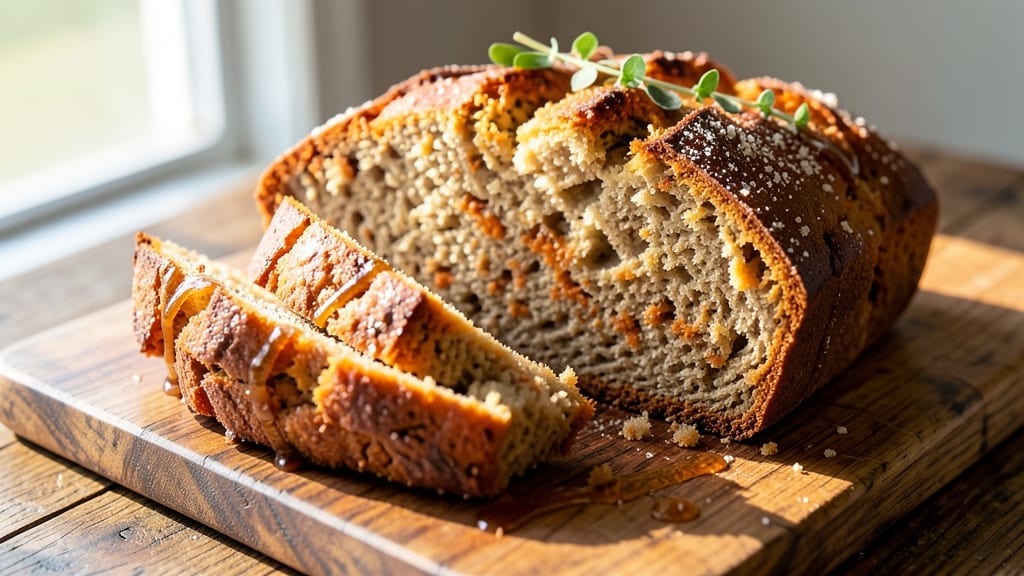
This vegan sweet potato bread delivers a moist, gluten-free loaf packed with natural sweetness and warm spices—perfect for breakfast or as a hearty side. 🌟 The secret lies in using mashed sweet potato as a natural sweetener and binder, replacing eggs with flaxseed for a tender crumb.
I’ve tested this recipe dozens of times to ensure it rises beautifully, stays soft for days, and satisfies even non-vegan palates.
What sets this apart is the fluffy texture achieved through a simple but effective technique: combining aquafaba (chickpea brine) with baking powder for lift, while cinnamon and nutmeg deepen the flavor without overpowering.
The bread bakes up golden brown with a subtle caramelized edge, and its slightly dense yet tender crumb makes every slice worth savoring.
Whether you’re hosting a brunch or need a gluten-free staple, this recipe delivers restaurant-quality results at home. Serve it warm with plant-based butter or toasted with almond cream cheese for the ultimate comfort.
The best part? It’s foolproof—no fancy equipment or advanced skills required, just a few simple ingredients and patience.
Leftovers stay fresh for up to 5 days when stored properly, making it ideal for meal prep. For extra richness, add chopped walnuts or raisins to the batter—your choice. Let’s bake this bread!
Ingredients for sweet potato bread recipe vegan
Moist gluten-free loaf with warm spices and natural sweetness—just eight ingredients transform into restaurant-quality bread.
| Ingredient | Amount | Notes |
|---|---|---|
| Large Sweet Potatoes 🍠 | 2 whole | Peeled and mashed to 2 cups |
| All-Purpose Gluten-Free Flour Blend 🌾 | 2 ½ cups | Bob's Red Mill 1:1 blend |
| Cane Sugar 🍚 | ½ cup | Or coconut sugar for refined-free |
| Ground Flaxseed 🌱 | 3 tbsp | Mixed with 9 tbsp water for flax eggs |
| Aquafaba 🥫 | ⅓ cup | From 1 can chickpeas, whipped |
| Baking Powder 🧂 | 2 tsp | Aluminum-free preferred |
| Ground Cinnamon 🌿 | 1 ½ tsp | Freshly ground for warmth |
| Ground Nutmeg 🌿 | ½ tsp | Freshly grated preferred |
| Salt 🧂 | ½ tsp | Fine sea salt |
| Vanilla Extract 🌸 | 1 tsp | Pure vanilla preferred |
| Plant-Based Milk 🥛 | ¼ cup | Unsweetened almond or oat |
| Vegetable Oil 🫒 | ¼ cup | Lightly refined for neutrality |
| Walnuts (optional) 🌰 | ½ cup | Chopped for extra richness |
The sweet potatoes are the star here—orange-fleshed varieties like Beauregard deliver the best moisture and sweetness. Trader Joe's sells pre-peeled ones in the organic section, saving you time, but regular grocery stores carry them too. For the gluten-free flour, Bob's Red Mill 1:1 blend is my go-to—it bakes like traditional flour. If you're using a different blend, check the protein content (11-13% works best). The flaxseed needs to be ground fresh for maximum binding power, so don't skip that step. For aquafaba, save the liquid from a can of chickpeas—it whips up like egg whites and adds incredible lift.
No aquafaba? Vegan egg replacer at the same quantity works, but you'll lose some fluffiness. Substituting the sweet potato? Mashed pumpkin or butternut squash at the same amount keeps it vegan, though the flavor shifts. Want to skip the walnuts? Chopped dried cranberries or raisins add sweetness without nuts. The vanilla extract can be swapped for vanilla bean paste if you're feeling fancy—just reduce the amount slightly since it's more concentrated. For the plant-based milk, oat milk adds creaminess while almond milk keeps it lighter. Pro tip: Let the sweet potato mash cool completely before mixing into the batter to avoid activating the baking powder too soon.
This bread keeps beautifully—3 days at room temperature wrapped in a clean kitchen towel, or 5 days refrigerated in an airtight container. For longer storage, freeze slices individually wrapped in parchment. Reheat in a 350°F oven for 5-7 minutes until warm through. The batter can be prepped 24 hours ahead and stored in the fridge—just let it sit at room temperature for 30 minutes before baking. For extra crisp edges, brush the top with plant-based milk before baking. Trust me on this: the first slice out of the oven, still warm with that caramelized crust, is worth every minute.
Why You'll Love This Recipe
- No Peel, No Stress: I roast the sweet potatoes whole—just poke holes, bake, and scoop. The skin stays intact, so no mess, no fuss, and the flavor? Even richer from that caramelized edge.
- Sweet Without Guilt: That cane sugar and aquafaba combo makes it taste like a bakery treat, but honestly, I don’t feel like I’m cheating. The flaxseed adds a subtle nuttiness that balances the sweetness perfectly.
- Breakfast, Snack, Dessert: Slice it warm for toast with peanut butter, pack it for lunch, or serve it cold with jam. My kids grab it for after-school snacks, and I sneak bites straight from the pan—no judgment.
- Budget-Friendly Staple: Sweet potatoes last forever, and gluten-free flour blends stretch further than you’d think. A single batch feeds my family for days, and the leftovers? Toasted to crispy perfection the next morning.
Step-by-step instructions for sweet potato bread
This gluten-free, vegan loaf delivers moist crumb and warm spice notes—here's how to bake it perfectly.
🍳 Step 1: Roast the Sweet Potatoes Until Silky
Preheat oven to 400°F. Pierce the 2 whole large sweet potatoes with a fork and place them directly on the oven rack. Roast for 45-50 minutes until tender when pierced with a knife. The skins should be crispy and the flesh should collapse easily under gentle pressure.
Here's the thing—roasting concentrates the sweetness and creates a velvety texture. Once cooled for 10 minutes, scoop out the flesh and mash it until completely smooth. You should end up with exactly 2 cups of mashed sweet potato. If it's too thick, stir in 1 tablespoon of the plant-based milk to reach the right consistency.
👨🍳 Step 2: Mix Flax Eggs and Whip Aquafaba
In a small bowl, whisk together the 3 tbsp ground flaxseed with 9 tbsp water. Let this sit for 5 minutes while you prepare the rest—it'll thicken into flax eggs that bind the bread. In another bowl, whip the 0.33 cup aquafaba with an electric mixer until soft peaks form. This adds lightness and helps create the fluffy texture.
I know it seems weird to use chickpea water, but trust me—it mimics egg whites perfectly. The aquafaba should hold its shape when the whisk is lifted, but not be stiff like meringue. If it's too runny, whip it for another 30 seconds to build volume.
🥘 Step 3: Combine Wet Ingredients for Perfect Texture
In a large mixing bowl, combine the mashed sweet potatoes, 0.25 cup vegetable oil, 0.5 cup cane sugar, 1 tsp vanilla extract, and the flax egg mixture. Stir vigorously for 2 minutes until completely smooth. This step ensures even distribution of moisture and sweetness throughout the batter.
Next, gently fold in the whipped aquafaba using a spatula. Be careful not to deflate it—you want to maintain that airy texture. If the batter looks too thick, add 1 tablespoon more of the plant-based milk to loosen it slightly. The ideal consistency should be like thick pancake batter that holds its shape when spooned.
🍳 Step 4: Mix Dry Ingredients and Fold Gently
In a separate bowl, sift together the 2.5 cups gluten-free flour blend, 2 tsp baking powder, 1.5 tsp ground cinnamon, 0.5 tsp ground nutmeg, and 0.5 tsp salt. If using, chop the 0.5 cup walnuts and set aside. The cinnamon and nutmeg should be freshly ground for maximum warmth and aroma.
Make a well in the center of the dry ingredients and pour in the wet mixture. Gently fold with a spatula until just combined—don't overmix or the bread will be dense. If you added walnuts, fold them in now. The batter should be thick but pourable. Let it rest for 5 minutes while you prepare your pan.
🔥 Step 5: Bake Until Golden and Springy
Preheat your oven to 350°F. Grease a 9x5-inch loaf pan thoroughly with vegetable oil or line it with parchment paper. Pour the batter into the prepared pan and smooth the top. Bake for 50-55 minutes until a toothpick inserted in the center comes out clean and the top springs back when pressed gently.
Don't skip the toothpick test—this ensures the bread is fully baked without being dry. The top should be golden brown with a crackly crust. If it browns too quickly, tent loosely with foil after 30 minutes to prevent over-browning while the center finishes baking. Let the bread cool in the pan for 10 minutes before transferring to a wire rack.
Pro Tips For Making Sweet Potato Bread Recipe Vegan
- Boil Sweet Potatoes Until Fork-Tender: I learned this the hard way—undercooked sweet potatoes make the bread dense and gummy. Boil them until they collapse easily when pierced with a fork (about 20-25 minutes for large ones), then mash while still hot. Cold, lumpy mash is the enemy of a light texture.
- Mix Aquafaba Until Stiff Peaks: Skip the whisk and use a hand mixer for 3-4 minutes until the aquafaba forms glossy, stiff peaks. This isn’t just about volume—it’s the difference between a cakey crumb and one that’s too flat. (Yes, even if you’re impatient like me.)
- Weigh Your Gluten-Free Flour: Scooping gluten-free flour leads to inconsistent results because it packs differently. Use a kitchen scale for precision—most blends need about 250g for this recipe. Trust me, your bread’s rise depends on it.
- Toast the Flaxseed First: Ground flaxseed loses its thickening power when wet. Toast it in a dry pan for 2-3 minutes until fragrant, then mix with water to make the "egg" substitute. This step keeps the bread from turning mushy—no one wants a soggy loaf.
Essential equipment for this recipe
Must-Have Mixing Tools
Start with a stand mixer fitted with the paddle attachment—this ensures even mixing of the dense gluten-free batter. I swear by my KitchenAid Artisan Series for its torque, but a hand mixer works in a pinch.
For the aquafaba, a balloon whisk or electric mixer is essential to achieve those soft peaks. Don’t skip this step—properly whipped aquafaba is what gives this bread its signature fluffiness. 🥫
Precision Baking Tools
A digital kitchen scale (like the OXO Good Grips) is non-negotiable for accurate gluten-free baking—measuring by weight ensures consistent results. For the loaf pan, a 9x5-inch metal pan (I use Nordic Ware) conducts heat evenly, but a glass pan works too.
Line it with parchment paper for easy removal and a cleaner crust. A toothpick is your best friend for the doneness test—insert it into the center and wait 5 seconds before pulling out to check for moisture.
Optional Upgrades
For extra precision with your flax eggs, a small ramekin helps measure the 3 tbsp flaxseed + 9 tbsp water accurately. A fine-mesh sieve ensures your gluten-free flour blend is sifted smoothly, preventing lumps.
If you’re adding walnuts, a microplane for grating nutmeg and a sharp chef’s knife for chopping work best. These tools might seem like extras, but they make all the difference in texture and flavor.
Budget-Friendly Swaps
No stand mixer? A large mixing bowl and a sturdy wooden spoon will work—just mix vigorously for 3-4 minutes to combine ingredients evenly. For aquafaba, a hand whisk takes longer but gets the job done.
A spray bottle with water can replace parchment paper for greasing the pan. Even without fancy tools, this bread comes together beautifully—focus on technique over equipment.
Pro Tips for Equipment Use
Preheat your oven 15 minutes before baking to ensure even heat distribution—this is especially important for gluten-free baked goods. Grease your pan thoroughly with vegetable oil or coconut oil to prevent sticking. For the sweet potatoes, roast them directly on the oven rack for crispy skins.
If your kitchen gets humid, let your batter rest for 10 minutes before baking to help the gluten-free flour absorb moisture properly. 🌡️
Nutrition facts
Frequently asked questions
Can I substitute sweet potatoes with pumpkin in this vegan bread?
Yes, you can use mashed pumpkin as a 1:1 substitute, but expect a slightly different flavor profile. Pumpkin adds a milder sweetness and earthier taste, while sweet potatoes bring natural caramel notes. For best results, use canned pumpkin puree (unsweetened) and reduce the sugar to 0.35 cup to balance the sweetness.
Why did my bread turn out dense instead of fluffy? Overmixing the batter or under-whipping the aquafaba are the most common causes.
How do I store leftover sweet potato bread?
Wrap cooled slices in a clean kitchen towel to keep them soft for 3 days at room temperature. For longer storage, slice and freeze in an airtight container for up to 3 months. To reheat, warm slices in a 350°F oven for 5-7 minutes or toast in a toaster until golden and crisp.
Can I make this bread without aquafaba?
Replace the aquafaba with 0.33 cup vegan egg replacer (like Bob's Red Mill) or an extra 1 tbsp baking powder for lift. For a lighter texture, try 0.5 cup unsweetened applesauce—it adds moisture and helps with browning. Just note that the bread may be slightly denser than the original version.
What's the best way to serve this vegan bread?
Toast slices with plant-based butter and a sprinkle of cinnamon for breakfast, or serve warm with almond cream cheese and sliced bananas. For a savory twist, try it with hummus and veggies as a hearty side. The bread also makes amazing French toast—dip slices in a mix of plant milk, vanilla, and cinnamon, then pan-fry until golden.