
Side Dishes
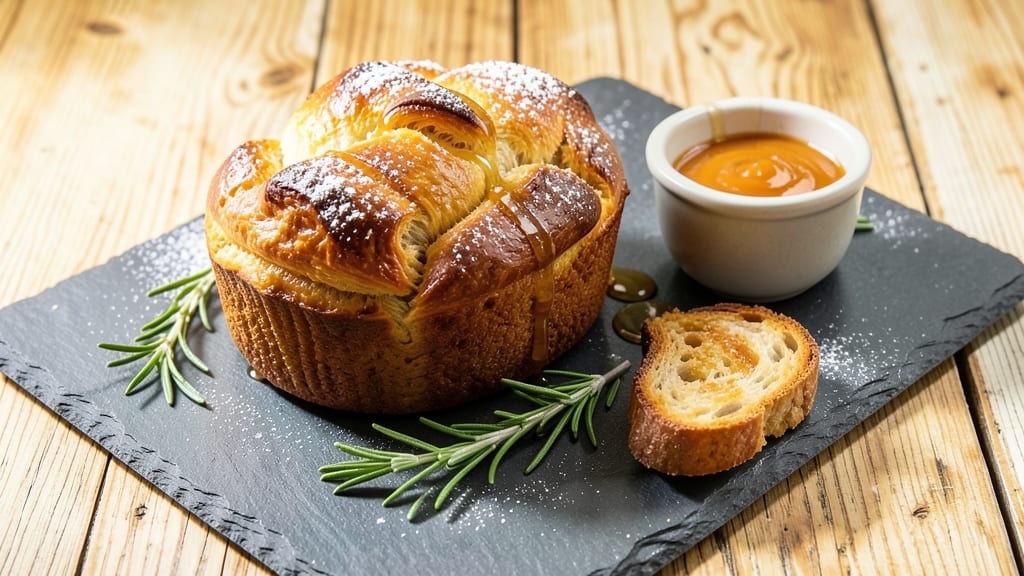
This sweet potato brioche recipe transforms humble sweet potatoes into a golden, buttery bread with a tender crumb and irresistible aroma. 🔥 The secret lies in blending roasted sweet potato purée with classic brioche dough, creating a side dish that's both elegant and comforting—perfect for holiday tables or weeknight dinners where you want to impress.
The dough combines the richness of brioche with the natural sweetness of roasted sweet potatoes, resulting in a slightly dense yet fluffy texture. What sets this apart is the slow fermentation process, which develops deep flavor and ensures a perfectly risen loaf.
The crust turns beautifully golden, while the interior remains moist and fragrant with warm sweet potato notes.
Baking this brioche yields a loaf that's as stunning to look at as it is delicious to eat. The sweet potato purée adds natural sweetness without overpowering the buttery brioche flavor, making each slice a perfect balance of richness and subtle sweetness.
Serve warm with honey butter or a sprinkle of cinnamon sugar for an extra touch of indulgence.
This recipe is ideal for those who love brioche but want a twist on the classic—adding sweet potatoes brings a unique depth of flavor that keeps everyone reaching for seconds. Whether you're hosting a gathering or simply craving something special, this sweet potato brioche delivers restaurant-quality results at home.
Ingredients for sweet potato brioche
Sweet potatoes, butter, and yeast—this trio creates a brioche so rich you won't believe it's veggie-packed.
| Ingredient | Amount | Notes |
|---|---|---|
| Large Sweet Potatoes 🍠 | 2 whole | Organic preferred, peeled and cubed |
| Unsalted Butter 🧈 | 1 cup | Cold, cut into small cubes |
| Granulated Sugar 🍚 | ½ cup | White or brown sugar |
| Large Eggs 🥚 | 3 whole | Room temperature |
| All-Purpose Flour 🌾 | 4 cups | Plus 1 tbsp for dusting |
| Whole Milk 🥛 | 1 cup | Room temperature |
| Active Dry Yeast 🍞 | ¼ oz | Or 2 1/4 tsp (7g) |
| Salt 🧂 | 1 ½ tsp | Diamond Crystal preferred |
| Vanilla Extract 🍯 | 1 tsp | Pure extract preferred |
| Cinnamon 🌿 | 1 tsp | Ground, for dusting |
| Honey 🍯 | 2 tbsp | For brushing crust |
| Coarse Sugar 🍚 | 2 tbsp | For topping |
Sweet potatoes are the star here. Orange-fleshed varieties like Jewel or Beauregard work best—their natural sweetness balances the brioche's richness. Trader Joe's often has organic sweet potatoes at a good price, but any bright, firm ones from the produce section will do. Peeled and cubed, they roast until tender, then get puréed into the dough. Don't skip the roasting—it deepens their flavor. For extra insurance, Costco sells bulk sweet potatoes at a fraction of the price if you're making multiple loaves.
Butter matters—European-style butter like Plugrá or Land O'Lakes with a high fat content (82-86%) gives the best flavor and texture. Short on butter? Coconut oil or olive oil can substitute, but the flavor won't be identical. The yeast needs to be fresh—if it's past its expiration, test it first in warm milk (should foam within 5-10 minutes). Flour? King Arthur or Gold Medal are my go-tos—they're reliable, but any all-purpose works. For the sugar, brown sugar adds subtle molasses notes, while white keeps it classic. The eggs? Room temperature is key—they'll blend smoother into the dough.
This dough needs time—at least 2 hours for the first rise, then overnight in the fridge for maximum flavor. Store wrapped at room temperature for 2 days or freeze the dough for up to 3 months (thaw overnight in the fridge). For the roasted sweet potatoes, they keep in the fridge for 5 days or freeze for 3 months. Pro tip: Make the dough the day before—it develops more flavor overnight. The baked loaf? Best eaten fresh, but reheats beautifully in a 350°F oven for 10 minutes.
Why You'll Love This Recipe
- Foolproof Mash: I swear, the roasted sweet potatoes blend into that buttery brioche dough like magic—no food processor needed. Just scoop, mash, and mix. Honestly, my first attempt was lumpy, but now I don’t even bother with a ricer.
- Buttery-Sweet Magic: That caramelized sweet potato flavor wrapped in rich, flaky brioche layers? It’s the kind of dessert that makes you pause mid-bite. The sugar in the dough crisps the edges just enough to balance the creamy, spiced potato center—like a hug from a bakery.
- Leftover Hero: These keep for days in the fridge, and reheated? They’re even better—warmer edges, gooey middle. I’ve sent them to work with coworkers, packed them for road trips, and yes, even frozen them for lazy Sundays. They’re my go-to when I need something reliable.
- Pantry Staple Power: You’re already using these ingredients—no weird swaps or specialty items. Sweet potatoes last forever, flour’s in every cabinet, and eggs? Always on hand. Between us, this is the kind of recipe that turns a “what’s for dinner?” panic into a “oh, we’re having dessert” moment.
Step-by-step instructions for sweet potato brioche
Here's how to transform sweet potatoes into a rich, buttery brioche loaf with a golden crust.
👨🍳 Step 1: Prepare the Sweet Potato Purée
Preheat your oven to 400°F and pierce the 2 whole large sweet potatoes with a fork. Place them on a baking sheet and roast for 45-50 minutes until fork-tender. You'll know they're done when the skin is slightly wrinkled and the flesh gives easily to pressure.
Let the potatoes cool for 10 minutes before peeling off the skin. Scoop out the flesh and transfer it to a food processor. Add 2 tablespoons honey and blend until completely smooth. This purée will form the sweet, moist base of your brioche. Taste it now—it should be naturally sweet with a hint of earthiness that will complement the brioche's richness.
👨🍳 Step 2: Mix the Brioche Dough
In a large mixing bowl, combine 4 cups all-purpose flour, 0.5 cup granulated sugar, 1.5 teaspoons salt, and 1 teaspoon cinnamon. Whisk these dry ingredients together until evenly distributed—this ensures consistent flavor throughout the dough. In a separate small bowl, dissolve the 0.25 ounce active dry yeast in 1 cup warm whole milk (around 110°F) with a pinch of sugar. Let it sit for 5-10 minutes until frothy.
Add the sweet potato purée, 1 cup cold unsalted butter (cut into small cubes), 3 whole large eggs, 1 teaspoon vanilla extract, and the yeast mixture to the dry ingredients. Using a dough hook attachment on your stand mixer, knead on low speed for 5 minutes until the dough comes together. Increase the speed to medium and knead for another 8-10 minutes until the dough is smooth, elastic, and pulls away from the sides of the bowl. If it's too sticky, add 1 tablespoon flour at a time until it reaches the right consistency.
⏰ Step 3: First Rise and Shaping
Lightly grease a large mixing bowl with butter and place the dough inside. Cover the bowl with a damp kitchen towel and let it rise in a warm place for 1-1.5 hours, or until the dough has doubled in size. You'll know it's ready when you poke it gently with your finger and it springs back slowly. This first rise is crucial for developing the brioche's signature texture.
Once risen, punch down the dough to release any air bubbles. Transfer it to a lightly floured surface and divide it into 6 equal portions, each about 6 ounces. Roll each portion into a smooth ball, then flatten slightly into an oval shape. Place them on a parchment-lined baking sheet, leaving 2 inches of space between each loaf. Cover loosely with a towel and let them rise again for 30-45 minutes until puffy and almost touching each other.
🔥 Step 4: Bake to Golden Perfection
Preheat your oven to 350°F. Brush the tops of the brioche loaves with a bit of melted butter, then sprinkle generously with 2 tablespoons coarse sugar. Bake for 25-30 minutes until the crust is deep golden brown and the internal temperature reaches 190°F. The loaves should sound hollow when tapped on the bottom.
For extra shine, brush the warm loaves with an additional 1 tablespoon honey mixed with 1 tablespoon water while they're still hot. Let them cool on a wire rack for at least 1 hour before slicing—this allows the interior to set and prevents a gummy texture. The finished brioche should have a crackly crust with a tender, buttery crumb that's perfectly balanced by the sweet potato's natural sweetness.
Pro Tips For Making Sweet Potato Brioche
- Boil Until Fork-Tender: Sweet potatoes should collapse like butter when pierced—not just soft. I’ve learned the hard way that undercooked ones turn your brioche dense and gummy. Test one early (yes, even if you’re impatient), and if it resists, add 10 more minutes.
- Cool Before Mashing: Hot sweet potatoes steam your dough, killing rise. Let them sit 15 minutes after boiling, then mash while still warm but not dripping. I used to rush this, and my brioche always came out flat—like someone sat on it.
- Use Cold Butter: Cut that butter into tiny cubes and toss it in the flour first. Cold butter creates flaky layers, while softened butter just melts into a sad, dense loaf. Trust me, your brioche will thank you—even if your hands get tired from chilling the dough.
- Don’t Overmix the Dough: After adding the eggs, mix just until combined. Overworking the dough makes brioche tough, and sweet potato dough is already stubborn. Fold gently—like tucking in a fussy toddler—until no dry bits remain.
Dietary considerations for this sweet potato brioche
Gluten-Free Adaptation
For a gluten-free version, replace the 4 cups all-purpose flour with a 1:1 gluten-free flour blend like Bob's Red Mill or King Arthur. Add 1 teaspoon xanthan gum to help bind the dough.
The dough will be stickier, so work quickly when shaping and use extra flour on your surface. Expect slightly denser texture, but still delicious! 🌾
Vegan Substitutions
Swap the 3 eggs for 3 tablespoons flaxseed meal mixed with 9 tablespoons water (let sit 5 minutes). Use vegan butter like Miyoko's or Earth Balance, and dissolve the 0.25 oz yeast in 1 cup warm plant-based milk (oat or almond work best).
The flavor stays rich, though the texture may be slightly less tender. 🌱
Lower Sugar Option
Reduce the 0.5 cup granulated sugar to 0.25 cup and add 1 teaspoon vanilla bean paste for depth. Use 1 tablespoon maple syrup in place of honey in the purée. The sweetness comes primarily from the roasted sweet potatoes, keeping the flavor balanced. 🍯
Dairy-Free Adjustments
Replace the 1 cup butter with 1 cup coconut oil (solid at room temp) or dairy-free butter like Earth Balance. Use 1 cup coconut milk instead of whole milk for the yeast activation. The texture remains moist, though slightly less rich. 🥛
Allergen-Friendly Notes
For nut-free kitchens, ensure your vanilla extract is nut-free (like McCormick). If cinnamon is a concern, use 1 teaspoon pumpkin pie spice instead. Always check labels on store-bought ingredients for hidden allergens. 🌿
Nutrition facts
Frequently asked questions
Why does my sweet potato brioche dough feel too sticky?
The dough naturally contains puréed sweet potato and butter, making it softer than classic brioche. If it's too sticky, add 1 tablespoon flour at a time while kneading. Avoid over-flouring—just enough to make it pliable. Chilling the dough for 30 minutes before shaping also helps!
Can I make this recipe without a stand mixer?
Use a wooden spoon or your hands to mix the dough, then knead by hand for 10-12 minutes on a floured surface until smooth and elastic. It takes more effort, but the result will be just as delicious. Just be patient—brioche dough needs thorough kneading to develop its signature texture.
How do I know when the brioche is fully baked?
Look for a deep golden brown crust and an internal temperature of 190°F when tested with a thermometer. The loaves should also sound hollow when tapped on the bottom. If unsure, bake 5 more minutes—underbaking makes the texture gummy.
What if my sweet potato purée is too watery?
Strain it through a fine-mesh sieve to remove excess liquid, then pat the purée dry with a paper towel. Alternatively, roast the sweet potatoes slightly longer (55-60 minutes) to concentrate their moisture. A thicker purée blends better into the dough and prevents a soggy texture.
Can I make individual muffins instead of a loaf?
Yes! Divide the dough into 12 equal portions (about 4 ounces each) and shape into balls. Place in a greased muffin tin and bake at 350°F for 20-25 minutes. The muffins will be denser but still rich and buttery—perfect for breakfast or dessert!