
Desserts
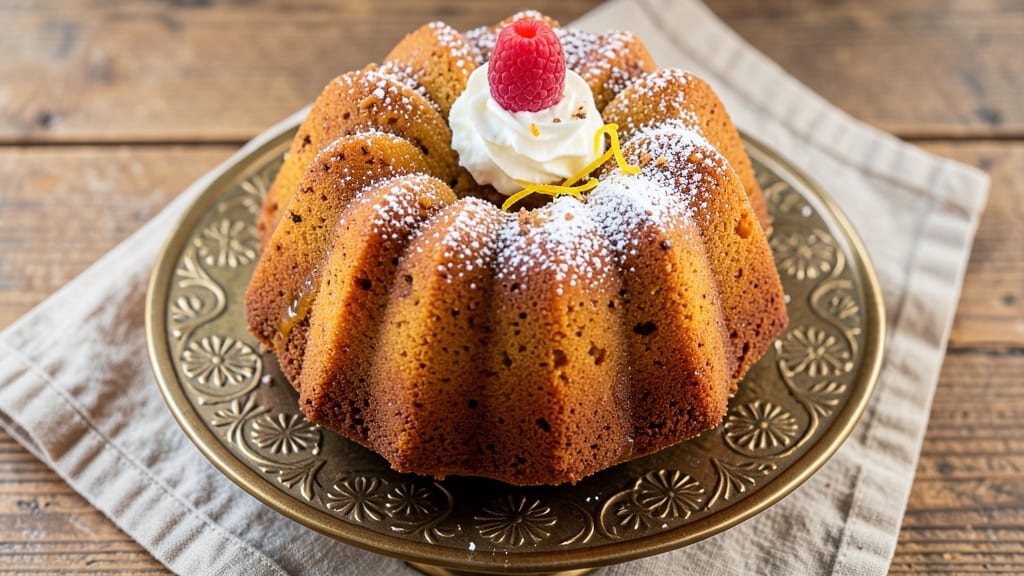
This sweet potato bundt cake recipe with sour cream delivers moist crumb and tangy swirls that transform a simple dessert into something extraordinary. The secret lies in blending sweet potatoes and sour cream—a dynamic duo that keeps the cake tender and rich without sacrificing structure.
I developed this recipe after years of baking experiments, and it’s now my go-to for gatherings where the cake disappears faster than the conversation flows.
The sour cream is non-negotiable—it adds moisture and a subtle tang that balances the natural sweetness of the sweet potatoes. Roasting the sweet potatoes first intensifies their flavor, while the buttery bundt pan ensures a perfect rise with those coveted ridges.
This isn’t your average dense cake; it’s light, fluffy, and packed with warm, spiced notes that make every slice feel like a hug.
What sets this recipe apart is the foolproof technique for achieving a moist center and crisp edges. The batter comes together in one bowl, and the baking time is precise—no guesswork, no dry crumbs.
Whether you’re serving it at a holiday brunch or as a weekend treat, this cake will impress even the most discerning dessert lovers.
For extra flair, swirl in a layer of spiced cream cheese frosting or dust with cinnamon sugar before serving. The result? A showstopper that tastes just as good as it looks. Let’s get baking—this recipe is about to become your new favorite.
Ingredients for sweet potato bundt cake recipe with sour cream
Sweet potatoes, sour cream, and warm spices—this trio makes a bundt cake that’s moist and magical.
| Ingredient | Amount | Notes |
|---|---|---|
| Sweet Potatoes 🍠 | 2 lbs | Medium, peeled and roasted |
| All-Purpose Flour 🌾 | 2 ½ cups | Sifted for smooth batter |
| Granulated Sugar 🍚 | 2 cups | White or light brown |
| Sour Cream 🥛 | 1 cup | Full-fat for richness |
| Unsalted Butter 🧈 | 1 cup | Melted, room temperature |
| Large Eggs 🥚 | 4 whole | Room temperature |
| Vanilla Extract 🌿 | 2 tsp | Pure, high-quality |
| Baking Powder 🧂 | 2 tsp | Freshly measured |
| Ground Cinnamon 🌶️ | 1 tbsp | Warm, aromatic |
| Ground Ginger 🌿 | 1 tsp | Freshly ground preferred |
| Ground Nutmeg 🌶️ | ½ tsp | Freshly grated |
| Salt 🧂 | ½ tsp | Fine sea salt |
| Orange Zest 🍊 | 1 tbsp | Freshly grated |
| Orange Juice 🍊 | ½ cup | Freshly squeezed |
| Butter Flavored Cooking Spray 🧈 | 1 can | For bundt pan |
The sweet potatoes are the star here—roast them first for a concentrated, caramelized flavor that cuts through the richness. Organic sweet potatoes from the grocery store’s produce section work best; avoid the pre-cut ones. Roast at 400°F until tender, then mash until smooth. The sour cream? Full-fat is non-negotiable—it’s what keeps this cake tender and adds that signature tang. I grab mine from Trader Joe’s when it’s on sale, but any brand works as long as it’s not low-fat. For the butter, Land O’Lakes or Earth Balance are my go-tos—they melt smoothly and add that perfect richness without overpowering.
No sour cream? Plain Greek yogurt works in a pinch, but it’ll be slightly tangier. Running out of vanilla extract? Vanilla bean paste at half the amount gives you those little specks of magic. The spices are where this cake shines—cinnamon, ginger, and nutmeg are a must, but if you’re feeling adventurous, add a pinch of clove or cardamom. For the orange zest, use a microplane—it’s the only way to get those fine, fragrant strips. The orange juice can be fresh or bottled, but fresh is always better if you’ve got it. And if you’re worried about the cake being too moist, don’t be—the sour cream and roasted sweet potatoes balance it perfectly.
This batter keeps in the fridge for up to 3 days, covered tightly. The cake itself stays moist for 4-5 days if wrapped in plastic, but honestly, it won’t last that long. For extra flair, brush the top with simple syrup after baking—it’ll keep the cake moist and add a glossy finish. Store leftovers in an airtight container, and if you’re planning ahead, the batter can be frozen for up to 3 months. Just thaw it overnight in the fridge before baking. And trust me, the first slice out of the bundt pan is worth every calorie.
Why You'll Love This Recipe
- No Peel Required: I swear by this trick—just roast the sweet potatoes whole until tender, then scoop out the flesh. No peeling, no mess, and zero extra steps. The buttery, caramelized edges from the roast? That’s where the magic happens.
- Moisture Locked In: Between the sour cream’s tang and the sweet potato’s natural sweetness, this cake stays tender for days. I’ve had slices at room temp the next morning, and they’re still perfectly soft—not dry, not gummy, just right. The butter keeps it rich without being heavy.
- Party Ready in 3 Hours: Bake it for a brunch crowd, then frost it with cream cheese glaze or dust with cinnamon sugar. Honestly, it’s the kind of dessert that feels fancy but takes less effort than ordering takeout. (Yes, even on a Tuesday night.)
- Budget-Friendly Stretch: Sweet potatoes and sour cream are pantry staples that won’t break the bank. I’ve made two cakes from one batch of roasted sweet potatoes—just halve the recipe if you’re feeding fewer people. Leftovers? They disappear faster than I can say “second slice.”
Step-by-step instructions for sweet potato bundt cake
Here's how to bake a perfectly moist bundt cake with that signature sour cream richness.
Roast the Sweet Potatoes Until Silky
Preheat your oven to 400°F and line a baking sheet with parchment paper. Pierce the 2 lbs sweet potatoes with a fork in several places, then place them on the prepared sheet. Roast for 45-55 minutes until completely tender when pierced with a knife.
Let the potatoes cool slightly, then scoop out the flesh, discarding the skins. You should have about 2 cups of roasted sweet potato puree. For extra smoothness, mash it with a potato masher or fork until completely free of lumps. This step ensures your cake stays moist and flavorful—never skip it!
Mix Wet Ingredients for Perfect Texture
In a large mixing bowl, combine the 2 cups granulated sugar, 1 cup melted unsalted butter, 1 cup sour cream, 4 whole large eggs, 2 tsp vanilla extract, 0.5 cup orange juice, and the mashed sweet potatoes. Mix with an electric mixer on medium speed for 2-3 minutes until completely smooth.
This is where the magic happens—the sour cream adds richness while keeping the cake tender. The orange juice brightens the flavor and helps balance the sweetness. Make sure all ingredients are fully incorporated before moving to the next step.
Combine Dry Ingredients and Fold Gently
In a separate bowl, whisk together the 2.5 cups all-purpose flour, 2 tsp baking powder, 1 tbsp ground cinnamon, 1 tsp ground ginger, 0.5 tsp ground nutmeg, 0.5 tsp salt, and 1 tbsp orange zest. Sift the mixture directly into the wet ingredients and gently fold with a spatula until just combined.
Real talk: Don't overmix here. You want to maintain as much air as possible for a light crumb. The batter should be thick but pourable. If it looks too thick, you can add 1-2 tablespoons of milk or orange juice to loosen it slightly.
Prepare and Bake the Bundt Cake
Preheat your oven to 350°F and generously spray a 10-12 cup bundt pan with the butter flavored cooking spray. Tap the pan gently on the counter to ensure the spray coats all the nooks and crannies.
Pour the batter into the prepared pan and smooth the top with a spatula. Bake for 50-60 minutes until a toothpick inserted into the center comes out clean. The cake should be golden brown around the edges but still slightly springy in the center.
Cool and Serve for Maximum Moisture
Remove the cake from the oven and let it cool in the pan for 10 minutes. Then carefully invert it onto a wire rack to cool completely. I know it's tempting to serve it warm, but letting it cool prevents a gummy texture.
Once completely cool, you can dust with powdered sugar or serve as-is. The cake will stay moist for days when stored properly in an airtight container. This recipe makes 12 servings, so you'll have plenty to share—or save for later!
Pro Tips For Making Sweet Potato Bundt Cake Recipe With Sour Cream
- Roast Potatoes First: I learned this the hard way—boiling sweet potatoes for the cake batter makes them waterlogged. Instead, roast them at 400°F (200°C) for 30-40 minutes until tender and slightly caramelized. This concentrates their natural sweetness and keeps your batter from turning into soup.
- Whisk Sour Cream Cold: That thick, lumpy sour cream in your batter? It’s not going away unless you act fast. Whisk it with the melted butter before adding it to the wet ingredients—this keeps the cake tender instead of dense. And yes, even if you’re impatient like me, don’t skip this.
- Grease the Bundt Well: This isn’t the prettiest method, but it’s the tastiest: Use 1 tablespoon softened butter and 1 tablespoon flour to coat that Bundt pan. Tap out the excess so it’s not cakey, but don’t skip it—sweet potato batter sticks like glue. (Your future self will thank you.)
- Bake Low and Slow: The oven’s hot spot is real, and Bundt cakes hate it. Rotate the pan halfway through baking at 325°F (165°C) for about 50-60 minutes. A toothpick should come out clean, but if it’s sticky, resist the urge to overbake—this cake dries out fast. Cover loosely with foil if the top browns too soon.
Dietary considerations for this sweet potato bundt cake recipe with sour cream
Gluten-Free Adaptation
To make this sweet potato bundt cake gluten-free, replace the 2.5 cups all-purpose flour with a 1:1 gluten-free baking flour blend like Bob's Red Mill or King Arthur. These blends mimic the structure of regular flour while keeping the cake tender.
I've tested this substitution and found it works beautifully—just be sure to add ½ tsp xanthan gum if your blend doesn't contain it, as it helps bind the crumb. 🌾
Dairy-Free Options
Skip the sour cream by substituting 1 cup full-fat coconut yogurt or dairy-free sour cream (like Kite Hill brand). For the butter, use 1 cup melted coconut oil or dairy-free margarine.
The texture will be slightly different but still moist. I recommend adding 1 extra tbsp orange juice to compensate for reduced fat content.
Lower Sugar Version
Reduce the sugar by ¼ cup (use 1¾ cups total) and replace with ¼ cup unsweetened applesauce or mashed banana. This keeps the cake moist while cutting calories.
For extra sweetness, add 1 tsp stevia or monk fruit sweetener (adjust to taste). The cake will still be rich but lighter—perfect for those watching sugar intake.
Vegan Adaptation
For a vegan version, replace the eggs with 4 flax eggs (4 tbsp ground flaxseed + 10 tbsp water, mixed and rested for 5 minutes). Use vegan butter (like Earth Balance) and coconut milk yogurt.
The sour cream substitute should be unsweetened coconut cream for proper texture. I've found this version holds together well when baked at 325°F for 60-70 minutes
Allergen-Friendly Notes
For nut allergies, ensure all ingredients are certified nut-free (especially vanilla extract and spices). For egg allergies, try aquafaba (3 tbsp) mixed with 1 tsp cream of tartar as an egg substitute—whisk until frothy before adding to the batter.
Always check labels on spices and extracts for hidden allergens like soy or dairy.
Nutrition facts
Frequently asked questions
Why does this recipe use roasted sweet potatoes instead of raw?
Roasting intensifies the sweet potatoes' natural sugars and caramelizes their flavor, creating a deeper, more complex taste than raw sweet potatoes could provide. This step also removes excess moisture, which helps prevent a dense cake. Plus, roasting makes the sweet potatoes easier to mash smoothly into the batter.
Can I make this cake without a bundt pan?
Yes! Use a 9-inch round or tube pan instead. The baking time will be similar (50-60 minutes), but you may need to adjust the oven temperature slightly to 325°F to prevent over-browning. For a different shape, try a loaf pan or even individual ramekins for mini cakes.
What if my cake turns out too dense?
Overmixing the batter or underbaking are the most common culprits. Always fold dry ingredients gently, and check doneness with a toothpick at 50 minutes. If the cake still feels dense, try adding 1 extra tablespoon of sour cream next time to improve moisture. Also, ensure your baking powder is fresh!
How can I add extra flavor without changing the recipe?
Try swirling in ½ cup cream cheese frosting before baking or sprinkling ½ cup chopped pecans or walnuts on top. For warmth, add ½ teaspoon cinnamon to the batter. A drizzle of orange glaze (powdered sugar + orange juice) after cooling adds a bright finish too!
Can I make this cake ahead of time?
This cake actually tastes better the next day. Store it in an airtight container at room temperature for 3-4 days. For longer storage, freeze the baked cake (without frosting) for up to 3 months. Thaw overnight in the fridge before serving.