
Side Dishes
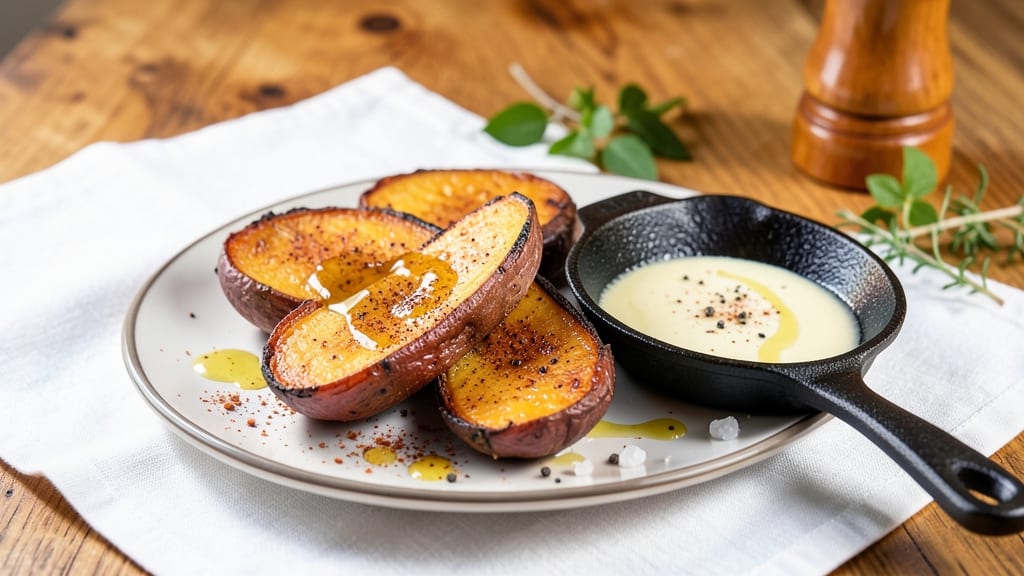
This sweet potato coconut oil recipe transforms humble sweet potatoes into golden, crispy-edged bites with a silky interior—all thanks to the magic of coconut oil. The secret lies in the high smoke point and rich flavor of coconut oil, which caramelizes beautifully while keeping the inside tender.
I developed this recipe after realizing how many store-bought versions missed the mark on texture, so I perfected it to deliver that ideal contrast every time.
The process is straightforward but precise: sweet potatoes are cut into even pieces, tossed in coconut oil, and roasted until the edges turn deep golden brown while the inside remains creamy. No fancy equipment is needed—just a baking sheet and oven.
The coconut oil not only adds flavor but also creates that coveted crispy exterior that makes this dish irresistible. It’s a vegan-friendly option that’s packed with nutrients and satisfying texture.
What you’ll end up with is a side dish that’s restaurant-quality—crispy enough to stand up to hearty mains but tender enough to melt in your mouth. The aroma alone will have everyone at the table asking for seconds.
This recipe works as a standalone side or pairs beautifully with grilled meats, tofu, or even as a base for bowls. The best part? It’s easy to customize with spices like smoked paprika or cinnamon for extra depth.
Whether you’re meal prepping for the week or serving up a weeknight dinner, this sweet potato coconut oil recipe delivers foolproof results with minimal effort. The key is patience during roasting—don’t rush it, and you’ll get that perfect balance of crispy and tender every time. Let’s get cooking!
Ingredients for sweet potato coconut oil
Sweet potatoes, coconut oil, and a pinch of spice—this trio delivers restaurant-quality texture.
| Ingredient | Amount | Notes |
|---|---|---|
| Large Sweet Potatoes 🍠 | 2 lb | Organic preferred, skin-on |
| Unrefined Coconut Oil 🥥 | ⅓ cup | Melted, not refined |
| Sea Salt 🧂 | 1 ½ tsp | Fine grain preferred |
| Ground Black Pepper 🌶️ | ½ tsp | Freshly cracked preferred |
| Smoked Paprika 🌶️ | 1 tsp | For smoky depth |
| Ground Cinnamon 🌿 | ½ tsp | Optional for warmth |
| Garlic Powder 🧄 | ½ tsp | Fresh garlic if available |
| Olive Oil 🫒 | 1 tbsp | For tossing if needed |
| Fresh Rosemary 🌿 | ¼ cup | Chopped, optional garnish |
Coconut oil is the MVP here. Trader Joe's or Whole Foods carry the unrefined kind—look for the creamy, slightly sweet smell. Sweet potatoes should be firm with no soft spots; organic ones have thicker skins that hold up better to roasting. I always grab the biggest ones I can find because they yield more even pieces. Skip the pre-cut bags—they bruise fast. If you're feeling fancy, purple sweet potatoes add a gorgeous color contrast, but regular orange works just as well.
No coconut oil? Avocado oil works in a pinch, but it won't caramelize the same way. Short on smoked paprika? Regular paprika plus a pinch of liquid smoke gets you close. Fresh rosemary? Dried at one-third the amount works, but I'd rather use fresh if I've got it. The key to even cooking is cutting all pieces the same size—aim for 1.5-inch cubes. If your coconut oil solidifies, just pop it in the microwave for 20 seconds to melt it back down. Pro tip: toss the sweet potatoes in the oil twice—once before roasting, once halfway through—for maximum crispiness.
Roasted sweet potatoes keep 5 days in the fridge, but honestly they taste best the first day. For meal prep, portion into airtight containers with a paper towel to absorb moisture. Freeze for up to 3 months—just thaw overnight in the fridge before reheating. The crispy edges soften when reheated, so I like to broil them for 2 minutes after thawing to restore that texture. Store the coconut oil in a cool, dark place; it stays good for 1 year unopened, 6 months once opened.
Why You'll Love This Recipe
- One-Pan Magic: I swear by this recipe when I’m too tired to wash dishes—just slice, roast, and drizzle. That coconut oil? It caramelizes into golden perfection without a single pot to scrub.
- Smoky Sweet Crunch: The smoked paprika and black pepper give these sweet potatoes an addictive kick, while the coconut oil keeps them creamy inside. Honestly, I’ve never met a roasted veggie combo this satisfying.
- Meal Prep Hero: These hold up beautifully for days—perfect for lunchboxes or quick dinners. I double the batch on Sundays and toss them into salads or bowls all week.
- Budget Bright Spot: Sweet potatoes and coconut oil stretch my grocery dollars further than I expected. Plus, the salt and spices are pantry staples, so it’s basically free after the first try.
Step-by-step instructions for roasted sweet potatoes with coconut oil
Here's how to achieve perfectly crispy edges with a silky interior every time.
Preheat and Prepare the Sweet Potatoes
Preheat your oven to 425°F and line a large baking sheet with parchment paper. Wash the 2 lb large sweet potatoes thoroughly to remove any dirt, then pat them completely dry with paper towels. This step is crucial—any moisture left on the skin will prevent that beautiful crispy texture we're after.
Using a sharp chef's knife, cut each sweet potato into 1-inch thick slices. Try to keep the slices as even as possible for consistent cooking. I like to cut them lengthwise first, then crosswise to create uniform pieces. Arrange the slices in a single layer on the prepared baking sheet, leaving about ½ inch of space between each piece.
Season and Coat with Coconut Oil
In a small bowl, combine the 0.33 cup melted unrefined coconut oil, 1.5 tsp sea salt, 0.5 tsp ground black pepper, 1 tsp smoked paprika, 0.5 tsp ground cinnamon, and 0.5 tsp garlic powder. Whisk until the spices are fully dissolved in the oil. This aromatic blend will give your sweet potatoes that perfect balance of smoky, spicy, and slightly sweet flavors.
Using tongs, carefully transfer each sweet potato slice to the bowl with the oil mixture and turn to coat both sides thoroughly. You'll see the oil glisten on the surface—this is what creates that irresistible crispy exterior. Return the coated sweet potatoes to the baking sheet, arranging them in the same single layer.
Roast Until Golden and Crispy
Place the baking sheet in the preheated oven and roast the sweet potatoes for 25-30 minutes, flipping them halfway through the cooking time. You'll know they're ready when the edges are deep golden brown and the sweet potatoes feel tender when pierced with a fork. The coconut oil should have crisped up beautifully, creating that perfect contrast with the soft interior.
Here's the thing about roasting sweet potatoes—don't walk away during the last 10 minutes. Check them frequently after the 20-minute mark, as ovens vary in temperature. You want that crispy texture without burning the edges. If they're browning too quickly, you might need to reduce your oven temperature by 25°F for the remaining time.
Finish with Olive Oil and Rosemary
Once the sweet potatoes are perfectly crispy, remove them from the oven and transfer them to a serving platter. While still warm, drizzle the 1 tbsp olive oil over the top and gently toss to coat. This final step adds another layer of richness and helps distribute any remaining spices.
Sprinkle the 0.25 cup chopped fresh rosemary over the top for a fragrant finish. The rosemary adds a fresh, herbal note that cuts through the richness of the coconut oil. Serve immediately while the edges are still crispy and the interior remains silky. These sweet potatoes make an excellent side dish, but they're also fantastic as a main course with a protein of your choice.
Pro Tips For Making Sweet Potato Coconut Oil
- CRANK THE HEAT FIRST: Start your sweet potatoes over high heat in the coconut oil—you want that pan screaming before you even cut them. I used to take it slow, and the oil never got hot enough to crisp the edges properly. Once the oil shimmers and the potatoes sizzle, drop the heat to medium. That first burst of heat seals in the flavor and caramelizes the edges faster than you’d think.
- PIERCE THEM TWICE: Stab each sweet potato 2-3 times with a sharp knife before roasting—yes, even if you’re not baking them. This lets the coconut oil penetrate deeper and renders the flesh faster, especially if you’re short on time. I learned this the hard way when my first batch turned out dense and undercooked inside. A fork works in a pinch, but a knife is cleaner.
- SALT THE SKIN, NOT THE FLESH: Sprinkle the sea salt directly onto the skin of the sweet potatoes before adding them to the oil—this guarantees a crispy, salty crust instead of a bland exterior. I used to toss them in the pan first, then add salt, and the seasoning always pooled at the bottom. The smoked paprika goes on last, but the salt belongs on the skin from the start.
- LET THEM REST—OR REGRET IT: Pull the sweet potatoes from the heat when they’re just tender, wrap them in foil, and let them sit for 5-10 minutes. This traps the steam and keeps the insides creamy while the outsides crisp up further. I know, I know—you want to eat them immediately. But cutting into them too soon turns that perfect texture into a mushy mess. Trust the pause.
Essential equipment for perfect results
Baking Sheet Essentials
You’ll need a large rimmed baking sheet with a surface area of at least 16x12 inches—I use a half-sheet pan from Wilton because it provides plenty of space for even heat distribution.
The rim helps prevent oil drips from escaping, and the heavy-duty construction ensures no warping at 425°F. For extra crispiness, opt for a dark-colored sheet (like All-Clad Stainless Steel)—it absorbs and radiates heat more efficiently than lighter pans. 🔥
Line your sheet with parchment paper or a silicon baking mat to prevent sticking. I prefer parchment because it’s slightly textured, which helps create more surface area for crisping. If you’re short on time, a lightly greased sheet works, but the oil will splatter more.
Pro tip: Use two sheets if you’re doubling the recipe—this ensures even browning without overcrowding.
Oven Thermometer
Your oven’s temperature display isn’t always accurate, and even a 25°F discrepancy can ruin your crispy edges. I swear by the Thermoworks Oven Thermometer—it’s a $20 game-changer that clips onto the oven rack and gives real-time readings.
For this recipe, aim for 425°F (±5°F). If your oven runs hot, reduce the temperature by 25°F and add 5-10 minutes to the roasting time. 🌡️
For convection ovens, reduce the temperature by 25°F and flip the sweet potatoes once (instead of twice) to avoid over-browning.
If you don’t have a convection setting, prop the oven door open 1 inch with a wooden spoon during the last 10 minutes to help steam escape—this boosts crispiness without burning.
Tongs and Spatulas
Tongs are your best friend for flipping sweet potatoes without crushing them. I use OXO Good Grips because the silicone tips grip the oil-coated potatoes without slipping. Avoid metal spatulas—they can tear the skin, especially when the edges are crispy. For tossing the seasoned oil, a fork works, but a small silicone brush (like Basics Silicone Brush) ensures even coating with minimal mess. 🍴
If you’re serving directly from the baking sheet, a wide, flat spatula (like Nordic Ware) helps transfer the potatoes without breaking them. For garnishing with rosemary, a fine-mesh strainer makes quick work of chopping fresh sprigs—just pulse them in a food processor for 2 seconds before sprinkling.
Storage Containers
For meal prep, transfer cooled sweet potatoes to glass airtight containers (I love Pyrex 16x12-inch dishes) with a paper towel on top to absorb moisture. The coconut oil solidifies at room temperature, so reheat in the oven at 350°F for 10 minutes to restore crispiness.
For freezing, use quart-sized freezer bags—squeeze out excess air and flatten the bags to save space. 🥫
To reheat from frozen, thaw overnight in the fridge, then broil for 2 minutes on high for that restaurant-quality crunch. Avoid microwaving—it turns the edges soggy.
If storing coconut oil for later use, keep it in a cool, dark cabinet in its original container or a amber glass jar to preserve freshness.
Nutrition facts
Frequently asked questions
Can I use refined coconut oil instead of unrefined for this recipe?
Refined coconut oil will work, but you'll miss out on the rich, nutty flavor and aroma that unrefined coconut oil provides. Refined coconut oil has a higher smoke point, so it won't burn as easily, but it lacks the subtle sweetness and depth of flavor. If you only have refined, add a pinch of vanilla extract or a dash of cinnamon to compensate for the lost flavor profile.
How do I get extra crispy edges without burning the sweet potatoes?
The key is patience and proper spacing! Arrange the sweet potatoes in a single layer with at least ½ inch between each piece. Roast at 425°F for 25-30 minutes, flipping halfway through. If they're browning too quickly, reduce the oven temperature by 25°F and add 5-10 minutes to the cooking time. For even more crispiness, broil for 1-2 minutes at the end.
What's the best way to reheat these crispy sweet potatoes?
Reheat in a 350°F oven for 10-15 minutes to restore crispiness. For a quicker option, broil for 2-3 minutes on high heat. Avoid microwaving—they'll turn soggy. If storing for later, keep them in an airtight container with a paper towel to absorb moisture and maintain texture.
Can I make this recipe with purple sweet potatoes?
Purple sweet potatoes add beautiful color and a slightly earthier flavor. Use the same cooking method, but expect the edges to brown slightly faster due to their thinner skins. Reduce the oven temperature by 25°F if needed, and watch closely during the last 10 minutes of cooking to prevent burning.
What are some good protein pairings for this dish?
This coconut oil roast pairs beautifully with grilled chicken, shrimp, or tofu. For a complete vegan meal, serve with black beans, avocado, and lime. The smoky, nutty flavors complement grilled salmon or even a simple lentil salad. The crispy edges stand up well to rich proteins, while the silky interior balances lighter options.