
Side Dishes
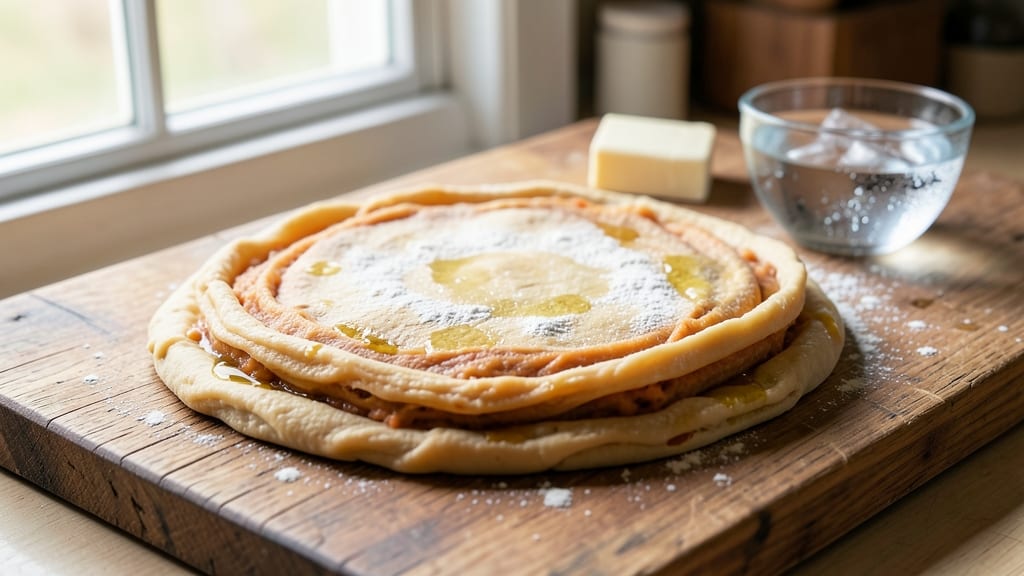
This sweet potato empanada dough recipe transforms a classic technique into a vibrant fusion dish where flaky layers meet sweet potato filling in perfect harmony. 🌟 The secret lies in blending traditional empanada dough with roasted sweet potatoes, creating a texture that's crispy on the outside and tender within—ideal for both baking and frying.
What makes this recipe special is how effortlessly it adapts to vegetarian diets while delivering restaurant-quality results.
The dough itself is a masterclass in simplicity, requiring just flour, butter, and a touch of salt to achieve that signature flakiness. The filling combines roasted sweet potatoes with warm spices like cinnamon and nutmeg, balancing natural sweetness with earthy depth.
This fusion approach ensures every bite is packed with flavor without sacrificing the structural integrity that makes empanadas so satisfying.
By the time you're done, you'll have golden-brown empanadas with crisp edges and a filling that's creamy yet sturdy enough to hold its shape.
The dough's flaky layers create a delightful contrast against the sweet potato's velvety texture, making this dish perfect for serving as an appetizer, side, or even a hearty vegetarian main course.
Pair these empanadas with a cooling chimichurri or tangy sour cream for a complete meal experience. Whether you're baking them in the oven or frying for extra crispiness, this recipe delivers on both tradition and innovation—proving that sweet potatoes belong in empanadas just as much as the classic fillings.
Ingredients for sweet potato empanada dough
Fourteen ingredients blend tradition with fusion for restaurant-quality empanadas.
| Ingredient | Amount | Notes |
|---|---|---|
| All-Purpose Flour 🌾 | 3 cups | Sifted for light texture |
| Unsalted Butter 🧈 | 1 cup | Cold, cubed for flakiness |
| Ice Water 💧 | ½ cup | Chilled to prevent gluten |
| Sea Salt 🧂 | ½ tsp | Fine grain preferred |
| Medium Sweet Potatoes 🍠 | 2 whole | Organic preferred, peeled |
| Extra-Virgin Olive Oil 🫒 | 2 tbsp | For roasting potatoes |
| Ground Cinnamon 🌿 | 1 tsp | Freshly ground preferred |
| Ground Nutmeg 🌿 | ½ tsp | Freshly grated nutmeg |
| Brown Sugar 🍚 | 1 tbsp | Light or dark variety |
| Vegetable Shortening 🧈 | 2 tbsp | For extra flakiness |
| Fresh Rosemary 🌿 | ¼ cup | Chopped, for filling |
| Lemon Zest 🍋 | 1 tsp | Brightens filling |
The flour and butter are the foundation of any great empanada dough, but achieving that signature flakiness requires precision. King Arthur or Gold Medal flour yields the best texture due to their high protein content, while European-style unsalted butter (like Plugrá or Land O'Lakes) delivers the rich flavor needed for flaky layers. Keep the butter cold—cut it into small cubes and store it in the freezer until ready to use. The ice water is non-negotiable; it prevents gluten development while keeping the dough tender. For the sweet potatoes, organic varieties like Beauregard or Jewel work best—their natural sweetness enhances the filling without overpowering the warm spices.
No extra-virgin olive oil? Avocado oil or refined olive oil will work, though you may lose some of the fruity depth. Freshly ground spices are ideal, but if you're using pre-ground, toast them in a dry pan for 30 seconds to revive their flavor. Substituting brown sugar for white reduces moisture content, which helps the filling set better. For the rosemary, fresh is non-negotiable—dried lacks the aromatic punch. If you're short on time, substitute 0.25 cup finely chopped fresh thyme, though the flavor profile will shift slightly. The lemon zest can be omitted if you prefer a more neutral filling, but it brightens the earthy sweetness of the roasted potatoes.
The dough must rest for at least 1 hour before rolling to develop gluten properly—don't rush this step. Wrap the dough tightly in plastic and refrigerate it to maintain its shape. Roasted sweet potatoes can be prepped 3 days ahead and stored in an airtight container; reheat gently before using. The filling mixture keeps for 5 days in the fridge, making this an excellent make-ahead recipe. For longer storage, freeze the filling in ice cube trays and transfer to a sealed bag for up to 3 months. Always thaw in the fridge overnight.
Why You'll Love This Recipe
- No-Fuss Dough: I swear by this dough—just flour, butter, and ice water. No yeast, no waiting, no stress. The sweet potatoes add natural sweetness without extra sugar, and the butter keeps it tender without being greasy.
- Sweet & Savory Magic: That roasted sweet potato purée? It’s the secret. The dough gets this subtle caramel depth from the potatoes, but it’s not cloying—just rich enough to make everything taste better. (Yes, even plain butter.)
- Potluck Star: Between us, this dough is my go-to for gatherings. It’s sturdy enough for fillings but still flaky, and you can prep it ahead. Freeze half the batch—no one will guess it’s not homemade.
- Budget Crust Wins: Sweet potatoes stretch my grocery budget further than flour alone. A single bag of potatoes makes enough dough for two batches, and the butter? Just a stick or two. Frugal but feels like a treat.
Step-by-step instructions for sweet potato empanada dough
Mastering this dough fusion delivers restaurant-worthy flakiness with sweet potato depth—follow precisely.
👨🍳 Step 1: Prepare the Sweet Potato Filling
Preheat oven to 400°F. Pierce the 2 whole medium sweet potatoes with a fork and roast for 45-50 minutes until fork-tender. You'll know they're done when the skin wrinkles slightly and the flesh yields easily to pressure.
Transfer the potatoes to a cutting board and let cool for 10 minutes. Peel away the skin, then mash the flesh using a potato masher or fork. In a separate bowl, combine the mashed potatoes with 1 tbsp brown sugar, 1 tsp ground cinnamon, 0.5 tsp ground nutmeg, 1 tsp lemon zest, and 0.25 cup chopped fresh rosemary. Mix well—this aromatic blend will infuse your dough with warm, spiced sweetness.
Here's the thing—don't skip the rosemary. Its piney notes cut through the sweetness and add depth that makes this filling truly special. Taste the mixture now and adjust seasoning if needed; you can always add more cinnamon or sugar later.
🍳 Step 2: Create the Flaky Fat Base
In a large bowl, combine the 3 cups sifted all-purpose flour and 0.5 tsp sea salt. Cut in the 1 cup cold cubed unsalted butter and 2 tbsp vegetable shortening using a pastry cutter or your fingers. Work quickly but thoroughly until the mixture resembles coarse crumbs with pea-sized butter pieces remaining.
This cold fat is what creates those signature flaky layers. If you see any butter melting into the flour, pop the bowl in the freezer for 5 minutes to firm it up again. The goal is to maintain those distinct fat pockets that will melt during baking, creating steam pockets for that signature flakiness.
Real talk: this is where most home cooks struggle. If your mixture feels too dry, you can add 1-2 teaspoons of ice water later, but don't overdo it—the dough should come together without excessive moisture.
👨🍳 Step 3: Hydrate and Knead the Dough
Gradually add the 0.5 cup ice water to the flour mixture, 1 tablespoon at a time, mixing gently with a fork until the dough begins to form. Once it comes together, turn it out onto a lightly floured surface and knead gently for 2-3 minutes just until smooth.
Don't overwork the dough—this develops gluten and makes it tough. You're aiming for a soft, slightly tacky dough that's just cohesive enough to handle. If it feels too sticky, add 1 teaspoon of flour at a time until it's manageable. Wrap the dough tightly in plastic wrap and refrigerate for at least 1 hour (up to 24 hours for better flavor development).
This chilling step is crucial. It relaxes the gluten, makes the dough easier to roll, and prevents shrinking when you fill and fold your empanadas. I always let mine rest overnight—it makes all the difference in the final texture.
🔥 Step 4: Assemble and Bake the Empanadas
Preheat your oven to 375°F. On a lightly floured surface, roll the chilled dough to 1/8-inch thickness. Using a 4-inch round cutter, cut out circles—you should get about 8 circles from this dough. Place 1 tablespoon of sweet potato filling in the center of each circle.
Fold the dough over the filling to form half-moons, then seal the edges by pressing firmly with a fork or crimping with your fingers. Brush the tops with extra-virgin olive oil for a golden finish. Arrange the empanadas on a parchment-lined baking sheet, leaving 1 inch between each.
Bake for 20-25 minutes until the dough is deep golden brown and the filling is bubbling through the slits you created with the fork. The edges should be crisp while the centers remain tender. If they brown too quickly, tent with foil to prevent burning while they finish cooking.
⏰ Step 5: Rest and Serve for Maximum Flakiness
Transfer the baked empanadas to a wire rack and let them cool for 5 minutes. This resting period allows the filling to set slightly and makes them easier to handle. Serve warm, cutting into wedges to reveal those beautiful flaky layers and aromatic filling.
The secret to perfect empanadas lies in the contrast: crisp, flaky dough with tender, spiced sweet potato filling. Each bite should deliver that satisfying crunch followed by warm, cinnamon-kissed sweet potato. If you're serving these as an appetizer, arrange them on a platter with a dusting of powdered sugar and extra rosemary sprigs for presentation.
Pro Tips For Making Sweet Potato Empanada Dough
- CHILL THE POTATOES FIRST: Roast your sweet potatoes until fork-tender, then let them cool completely before mashing. Warm potatoes release too much moisture into the dough, making it gummy and impossible to roll out smoothly—trust me, I’ve fought that battle.
- CUT THE BUTTER COLD: Use unsalted butter straight from the fridge, cut into small cubes. If it’s too soft, the dough will turn greasy and stick to your hands. I learned this the hard way when my first batch turned into a sticky mess.
- WORK FAST WITH ICE WATER: Keep your ice water in the freezer until you’re ready to add it. The colder the water, the slower it absorbs, giving you more control over the dough’s texture—no more overworking it into a tough, chewy disaster.
- REST THE DOUGH BEFORE ROLLING: Wrap the dough in plastic and let it sit at room temperature for at least 30 minutes. This relaxes the gluten, making it easier to roll out evenly—no more cracking or tearing when you’re trying to shape those empanadas.
Health benefits of this sweet potato empanada dough
Sweet Potato Nutrition
Sweet potatoes bring a powerhouse of nutrients to these empanadas, starting with their high vitamin A content—a 1-cup serving provides over 400% of your daily needs in the form of beta-carotene.
This supports vision health and immune function, making these empanadas a delicious way to boost your daily intake. 💛
Fiber-Rich Foundation
The sweet potato filling adds significant dietary fiber—about 6 grams per cup—which aids digestion and helps stabilize blood sugar levels. This makes these empanadas a more balanced option than traditional flour-based pastries, especially when paired with the whole-grain potential of the dough.
The cinnamon and nutmeg in the filling also help regulate blood sugar naturally.
Complex Carbohydrates
Unlike refined flour products, sweet potatoes provide complex carbohydrates that release energy slowly, preventing energy crashes. The combination of sweet potatoes and whole-grain flour creates a filling that's satisfying yet nutrient-dense. For a gluten-free version, substitute the all-purpose flour with a 1:1 gluten-free flour blend like Bob's Red Mill.
Antioxidant Boost
The filling's rosemary and lemon zest contribute powerful antioxidants that combat oxidative stress. Rosemary contains carnosic acid, which has been shown to protect brain cells, while lemon zest provides vitamin C and flavonoids.
Together, they create a flavor profile that's as beneficial for your body as it is delicious for your palate.
Healthy Fat Balance
The dough's butter and shortening provide saturated fats that contribute to the flaky texture, but the sweet potato filling balances this with its unsaturated fats from olive oil. This combination creates a dish that's rich in flavor without being overly heavy.
For a lighter option, reduce the butter by 2 tablespoons and replace it with 2 tablespoons applesauce.
Nutrition facts
Frequently asked questions
Can I make this dough without shortening?
Yes, but the texture will be slightly less flaky. Replace the 2 tbsp vegetable shortening with an extra 2 tbsp cold butter or 1 tbsp cold butter plus 1 tbsp coconut oil. The coconut oil adds moisture and helps create those signature layers, though butter alone may yield slightly tougher results.
How do I prevent the dough from shrinking when baking?
Chilling the dough for at least 1 hour is key, but also ensure your rolling surface is well-floured and your hands are lightly dusted. Roll the dough gently to 1/8-inch thickness and avoid pressing too hard. If the dough feels too sticky, let it rest 10 more minutes in the fridge before rolling again.
Can I use store-bought dough instead of making my own?
For best results, use refrigerated pie crust or empanada dough from the store. Roll it to 1/8-inch thickness and follow the same assembly steps. Store-bought dough saves time but may lack the flakiness of homemade—just add an extra 1 tbsp butter between layers if you want extra richness.
What's the best way to store leftover empanadas?
Cool completely, then store in an airtight container at room temperature for 2 days. For longer storage, freeze them uncooked (up to 1 month) or cooked (up to 3 months). Reheat in a 350°F oven for 10-15 minutes or air fry at 375°F for 4-5 minutes to restore crispiness.
Why did my empanadas turn out dense instead of flaky?
Overworking the dough or skipping the chilling step are the most common culprits.