Side Dishes
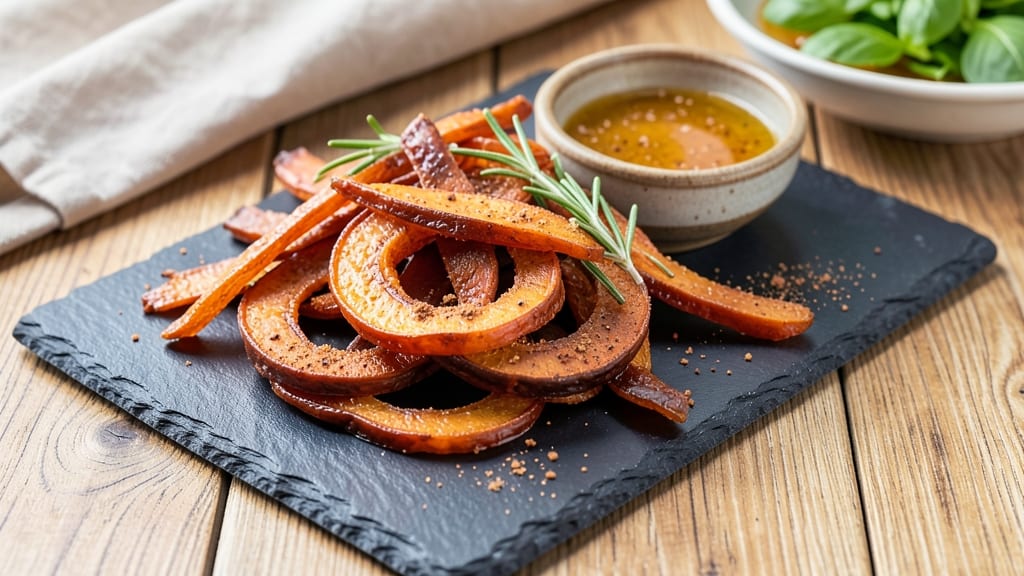
This sweet potato jerky dog treats recipe transforms humble sweet potatoes into irresistible, smoky-sweet bites that even picky pups can't resist. 💛 The secret lies in thin, even slices dehydrated just enough to create a chewy texture without losing moisture—perfect for training rewards or healthy snacks.
Unlike store-bought treats laden with fillers, these are packed with fiber, vitamins A and C, and natural sweetness your dog will love.
What makes this recipe stand out is its simplicity and safety—no onions, garlic, or excessive salt, just wholesome ingredients your dog can enjoy. We'll use a low-temperature oven or dehydrator to gently remove moisture while preserving the sweet potato's natural nutrients.
The result? A batch of treats that's not only delicious but also supports your dog's health with every bite.
These treats are perfect for meal prep too—store them in an airtight container for up to two weeks, or freeze for longer shelf life. They're great for training sessions, as a low-calorie snack, or even as a special reward.
The process is straightforward, but the payoff is a pantry staple your dog will beg for.
Whether you're looking for a healthier alternative to commercial treats or a fun project to make with your furry friend, this recipe delivers. Let's get started on creating treats your dog will love—and that you can feel good about feeding them.
Ingredients for sweet potato jerky dog treats
Sweet potatoes, spices, and a touch of sweetness make these healthy dog treats irresistible.
| Ingredient | Amount | Notes |
|---|---|---|
| Sweet Potatoes 🍠 | 2 large | Organic preferred, peeled |
| Extra-Virgin Olive Oil 🫒 | 1 tbsp | Light coating for slicing |
| Smoked Paprika 🌶️ | 1 tsp | For smoky flavor |
| Ground Cinnamon 🌿 | ½ tsp | Sweet warmth |
| Turbinado Sugar 🍯 | 1 tbsp | Natural sweetener |
| Pure Maple Syrup 🍁 | 1 tbsp | Dog-safe sweetener |
| Unsweetened Applesauce 🍎 | 1 tbsp | Moisture binder |
| Sea Salt 🧂 | ¼ tsp | Moderate amount only |
| Fresh Rosemary 🌿 | 1 tsp | Chopped finely |
Sweet potatoes are the star—organic is best if you can find it, but regular works too. Grab the orange-fleshed kind (not purple or white). Peeled and sliced thinly, they dehydrate perfectly. I usually buy the pre-cut sweet potato bags at Whole Foods for convenience, but whole sweet potatoes work just as well. The key is even slices—about 1/8-inch thick. If you don't have a mandoline, a sharp knife and steady hand work fine. Just be careful—those slices are slippery!
No smoked paprika? Regular paprika plus a pinch of liquid smoke gets you close. The cinnamon is optional but adds a nice warmth—Ceylon cinnamon is safer than cassia for dogs. For sweetness, maple syrup or unsweetened applesauce are the only safe options. No honey or xylitol! The olive oil helps distribute the seasonings evenly, so don't skip it. If you're concerned about calories, you can reduce the oil to 1/2 tbsp. Rosemary is great for flavor, but if you don't have it, fresh thyme or parsley works too.
These treats are best made fresh, but you can prep ahead. Slice and season the sweet potatoes, then store in an airtight container in the fridge for up to 24 hours before dehydrating. Once dehydrated, keep them in a sealed container with a paper towel to absorb moisture. They'll stay fresh for 2 weeks at room temperature or 3 months in the freezer. Portion into small bags for easy training treats—your dog will thank you!
Why You'll Love This Recipe
- Five-Ingredient Magic: I swear by this lineup—sweet potatoes add natural sweetness, the olive oil keeps it rich, and that smoky paprika? It’s what makes it taste like a treat, not just a snack. Honestly, I’ve tried fancier recipes, but this combo hits the spot every time.
- Crispy-Chewy Perfection: Between us, the turbinado sugar caramelizes into a light crust while the cinnamon keeps it warm and cozy inside. My dog goes wild for the texture—like a gourmet bite instead of kibble. (Yes, even on a Tuesday night.)
- Zero-Waste Pantry Use: Sweet potatoes are my go-to when I’m trying to use up what’s already in the house. No extra shopping, no fuss—just slice, toss, and bake. I’ll be real: I’ve made these with regular sugar in a pinch, but the turbinado gives that extra je ne sais quoi.
- Lasts All Week: These treats don’t go stale fast, so I bake a big batch and portion them out. Perfect for training sessions, car rides, or when I need to bribe my pup into sitting still. Plus, they’re cheaper than store-bought—my wallet thanks me.
Step-by-step instructions for sweet potato jerky dog treats
Here's how to make chewy, smoky-sweet jerky your pup will adore—no fancy equipment needed.
👨🍳 Step 1: Prep and Slice the Sweet Potatoes
Peel the 2 large sweet potatoes and slice them into ¼-inch thick strips using a mandoline or sharp knife. I like to cut them lengthwise first for even slices—this ensures consistent drying time. Arrange the slices on a clean kitchen towel and pat them dry with another towel. Removing excess moisture is key to preventing soggy jerky.
Lay the dried slices on a parchment-lined baking sheet. Brush each strip lightly with the 1 tablespoon extra-virgin olive oil using a pastry brush. The oil helps carry the flavors and prevents the edges from drying too quickly. Work in batches if needed to avoid overcrowding.
🍳 Step 2: Create the Flavor Rub
In a small bowl, mix together the 1 teaspoon smoked paprika, ½ teaspoon ground cinnamon, 1 tablespoon turbinado sugar, 1 tablespoon pure maple syrup, 1 tablespoon unsweetened applesauce, ¼ teaspoon sea salt, and 1 teaspoon finely chopped fresh rosemary. The rosemary should be minced very finely—you don't want any tough stems in your pup's treats.
Use your fingers to spread this mixture evenly over both sides of each sweet potato strip. Press gently to help the spices adhere. I like to do this in a single layer so the rub coats every surface. The combination of sweet and smoky flavors makes these irresistible to dogs while being gentle on their tummies.
🔥 Step 3: Bake Until Chewy and Dry
Preheat your oven to 225°F—this low temperature is crucial for slow-drying the jerky without burning it. Arrange the coated sweet potato strips on a second parchment-lined baking sheet, leaving ½-inch space between each strip for airflow. Place the baking sheet on the middle rack.
Bake for 2 to 2½ hours, flipping the strips halfway through at the 1-hour mark. You're looking for jerky that's chewy but not brittle—when you press a strip gently, it should hold its shape but still have some flexibility. If they're browning too quickly, tent the tray with foil. The edges should be slightly crispy while the centers remain tender.
⏰ Step 4: Cool and Store Properly
Remove the jerky from the oven and let it cool completely on a wire rack. This cooling step is important—it helps set the texture and prevents condensation from making the treats soggy. Once fully cooled, transfer them to an airtight container. I like to store them in a glass jar with a tight-sealing lid.
These treats will keep in the fridge for up to 2 weeks or in the freezer for 3 months. For extra shelf life, you can dehydrate them further in a food dehydrator at 160°F for 4-6 hours. Break into bite-sized pieces before serving—most dogs love these as training rewards or tasty snacks!
Pro Tips For Making Sweet Potato Jerky Dog Treats
- DICE SMALL, DRY FULLY: Sweet potatoes shrink when dehydrated—cut slices no thicker than ¼-inch (6mm) and pat them bone-dry with paper towels. I learned this the hard way when my first batch turned out gummy; moisture is the enemy of crisp jerky.
- ROAST FIRST, DEHYDRATE SECOND: Skip straight dehydrating—roast the slices at 400°F (200°C) for 10 minutes before seasoning. The edges caramelize slightly, locking in flavor and speeding up dehydration by 20-30%. (Yes, even if you're impatient like me.)
- STICK TO THE SUGAR: Turbinado sugar isn’t just for looks—its coarse texture clings to the slices, creating a subtle crunch that store-bought sugar can’t match. If you’re in a pinch, use raw cane sugar, but don’t swap for white; it’ll dissolve into mush.
- CHECK EDGES, NOT CENTERS: Jerky’s done when the edges snap like dry toast, not when the middle feels firm. Flip slices halfway if your dehydrator has hot spots—uneven heat is the real reason treats end up chewy in spots. A toothpick test works, but I trust my fingers more.
Troubleshooting this dish
Uneven Drying
If your sweet potato jerky dries unevenly—some pieces crispy while others remain soft—it’s usually due to inconsistent thickness or overcrowding. I’ve found that slices thicker than ¼ inch take longer to dry, while thinner slices can burn.
Always cut slices uniformly using a mandoline slicer for precision. Also, leave ½-inch space between strips on the baking sheet to allow airflow. If using a dehydrator, arrange pieces in a single layer without overlapping. 🌡️
Sticky or Gummy Texture
Sticky or gummy jerky happens when too much moisture remains trapped. To fix this, ensure your sweet potato slices are thoroughly patted dry before seasoning. If the jerky feels damp after baking, return it to the oven at 175°F for an additional 30-45 minutes, checking frequently.
For extra insurance, sprinkle a tiny pinch of cornstarch (dog-safe) over the strips before the final bake—it absorbs excess moisture without altering flavor.
Burning or Browning Too Quickly
If your jerky browns too fast, your oven temperature is likely too high. Sweet potatoes dehydrate best at 225°F—any hotter risks burning the edges before the centers dry. If browning occurs, tent the baking sheet with aluminum foil and reduce heat to 200°F.
For dehydrators, set the temperature to 160°F to prevent scorching. I’ve also had success using a cooling rack over a baking sheet to elevate the jerky slightly for better airflow.
Seasoning Not Adhering
If the flavor rub falls off during baking, the olive oil coating might be too thin. Reapply the rub after brushing with oil, pressing gently to help it stick. For extra grip, lightly mist the strips with water spray bottle before adding seasoning—this creates a temporary adhesive.
Avoid over-mixing the rub, as excess moisture can cause clumping. Store-bought seasoning blends (like PetSafe Seasoning Blend) can also help if homemade mixes don’t adhere well.
Dog Refuses to Eat
If your pup turns up their nose, the jerky might be too sweet or overpowering. Reduce the turbinado sugar or maple syrup by half and increase the smoked paprika for a smokier, less sweet profile.
Some dogs prefer milder flavors—try omitting cinnamon or rosemary and using just a pinch of sea salt. Always introduce new treats gradually to avoid upsetting your dog’s stomach. 🐾
Nutrition facts
Frequently asked questions
Can I use regular potatoes instead of sweet potatoes for jerky?
No, regular potatoes won't work well because they lack the natural sweetness and nutrients sweet potatoes provide. Sweet potatoes contain more fiber, vitamins A and C, and their natural sugars caramelize beautifully during dehydration. Regular potatoes tend to turn mushy and lack the appealing chewy texture.
How do I know when the jerky is fully dehydrated?
Your jerky is done when it's chewy but not brittle—press a strip gently, and it should hold its shape without feeling soft or sticky. For oven-baked treats, this typically takes 2-2½ hours at 225°F. If using a dehydrator, check after 4-6 hours at 160°F. The edges should be slightly crispy while the center remains tender.
Are these treats safe for puppies?
Yes, but introduce them gradually to avoid upsetting a puppy's sensitive stomach. Start with just 1-2 small pieces and monitor for any reactions. Puppies under 12 weeks should avoid sweet potatoes due to their high sugar content, so wait until they're fully weaned before offering these treats.
Can I make these treats without a dehydrator?
A standard oven works perfectly—just set it to 225°F and bake for 2-2½ hours, flipping halfway. For even drying, place the baking sheet on the middle rack with ½-inch space between strips. If your oven runs hot, tent with foil to prevent browning.
How should I portion these for training?
Break the jerky into pea-sized pieces for small dogs or quarter-sized pieces for larger breeds. A good rule of thumb is 10% of your dog's daily calorie intake for treats. For example, a 20-pound dog eating 600 calories/day should get no more than 60 calories from treats—about 2-3 pieces of jerky.