
Side Dishes
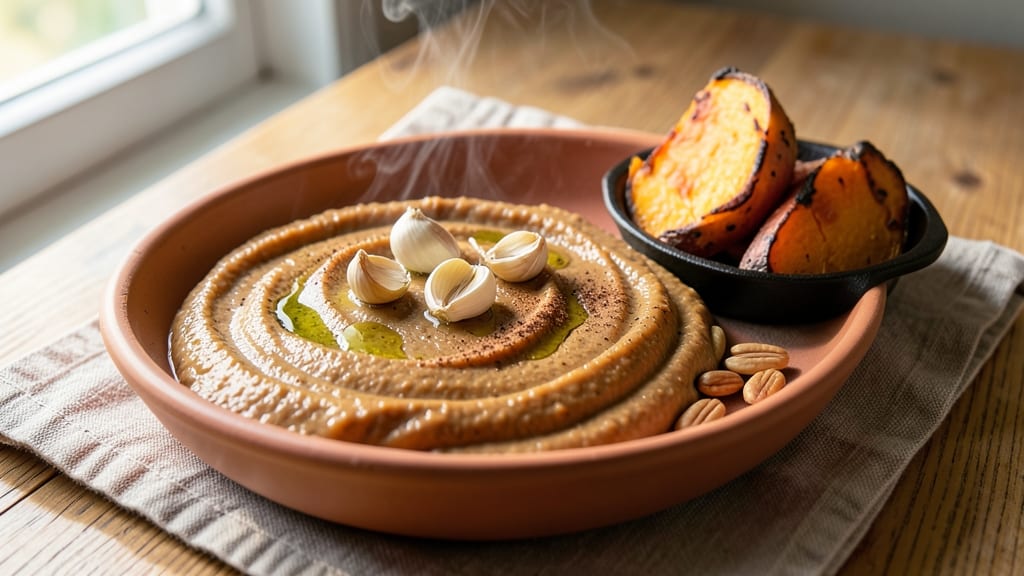
Sweet potato paste transforms simple soups and sauces into velvety masterpieces with just 10 minutes of effort. Roasting sweet potatoes deepens their natural sweetness while creating a smooth, spreadable texture perfect for thickening sauces or adding vibrant color. This ultra-versatile paste replaces store-bought versions with real ingredients and customizable flavors.
The process begins with roasting sweet potatoes until tender, then blending them with a neutral oil to create a rich, smooth consistency. A touch of garlic and spices enhances the flavor profile without overpowering, while the paste's natural sweetness balances savory dishes beautifully.
Unlike commercial versions, this homemade blend contains no additives or preservatives.
What sets this sweet potato paste apart is its ability to elevate any dish—stir it into creamy soups, swirl it into marinades, or use it as a natural sweetener in glazes.
The paste stores perfectly in the refrigerator for up to a week or freezes for months, making it a pantry essential for quick flavor boosts.
For best results, roast sweet potatoes until fully tender to ensure a silky texture when blended. Adjust the oil ratio to achieve your desired consistency, and feel free to customize with additional spices or herbs. This simple yet powerful ingredient will transform your cooking routine.
Ingredients for sweet potato paste
Eight real-food ingredients create a velvety, customizable paste that elevates soups and sauces effortlessly.
| Ingredient | Amount | Notes |
|---|---|---|
| Orange Sweet Potatoes 🍠 | 2 lbs | Medium-sized, skin-on for roasting |
| Extra-Virgin Olive Oil 🫒 | ½ cup | Light, neutral flavor preferred |
| Garlic Cloves 🧄 | 3 whole | Fresh, peeled, for aromatic depth |
| Ground Cinnamon 🌿 | 1 tsp | High-quality, freshly ground |
| Ground Nutmeg 🌿 | ¼ tsp | Freshly grated preferred |
| Sea Salt 🧂 | ½ tsp | Diamond Crystal preferred |
| Fresh Ginger 🌿 | 1 tsp | Finely grated, fresh preferred |
| Water 💧 | ¼ cup | Room temperature for blending |
Sweet potatoes are the foundation—orange varieties yield the deepest sweetness and smoothest texture. Whole Foods or Trader Joe's carry excellent organic options with vibrant flesh; avoid any with soft spots or dull skin. For best results, roast until fork-tender to maximize natural sugars and silky consistency. The garlic should be freshly peeled—pre-minced cloves oxidize quickly and lose flavor. Nutmeg and cinnamon should be freshly ground if possible, as pre-ground spices lose potency within weeks. Sea salt matters here; Diamond Crystal dissolves more cleanly than table salt, enhancing flavor without graininess.
No fresh ginger? Powdered ginger at half the amount works in a pinch, though texture will differ slightly. Substitute maple syrup for water if you prefer a sweeter paste—start with 1 tbsp and adjust to taste. For a more robust flavor, add 1 tsp smoked paprika or ½ tsp cayenne. The olive oil ratio can be adjusted: reduce by 1 tbsp for a thicker paste, or add 1 tbsp more for a smoother consistency. If using pre-peeled sweet potatoes, rinse and pat dry thoroughly to prevent excess moisture in the blend.
Store in an airtight container with a thin layer of olive oil on top to preserve freshness—keeps for 1 week in the fridge or 3 months frozen. Portion into ice cube trays for single-use servings, perfect for quick flavor boosts. For best texture, reheat gently in a saucepan with a splash of water or broth. The paste thickens as it cools, so adjust liquid ratios accordingly when reheating.
Why You'll Love This Recipe
- One-Pot Magic: I swear by this recipe when I’m too tired to chop. Roast the sweet potatoes whole—yes, whole—then peel and mash them with the rest. The skin even adds a subtle earthy depth, so no waste.
- Warm Spice Hug: That cinnamon and nutmeg combo? It’s like autumn in a jar. The olive oil keeps it silky while the garlic adds a punchy brightness—simple spices that somehow feel luxurious.
- Meal Prep MVP: Between us, this paste is my lazy Sunday secret weapon. Slather it on toast for breakfast, stir it into oatmeal, or even dollop it on grilled chicken. It lasts a week in the fridge, and I’ve never met a use I didn’t like.
- Budget Bright Spot: Sweet potatoes are cheap, and this recipe stretches them far. A single batch feeds my family for days—no fancy ingredients, just pure, satisfying flavor that doesn’t break the bank. (Yes, even on a Tuesday night.)
Step-by-step instructions for sweet potato paste
Transforming sweet potatoes into ultra-smooth paste requires precision and patience—here's how to achieve silky perfection every time.
Roast the Sweet Potatoes Until Fork-Tender
Preheat your oven to 400°F and line a baking sheet with parchment paper. Pierce the 2 lbs orange sweet potatoes with a fork in several places to allow steam to escape, then place them directly on the baking sheet. Roast for 45-50 minutes until they yield easily to a fork and the edges begin to caramelize.
This roasting method develops deep, caramelized sweetness that transforms into a rich, velvety paste. If the skins begin to blacken before the potatoes are tender, tent them loosely with foil for the final 10 minutes of cooking. The potatoes should be soft enough that a knife slides in effortlessly, with no resistance from the center.
Peel and Mash the Roasted Potatoes
Allow the roasted sweet potatoes to cool slightly for 5 minutes before peeling away the skins using a paring knife. Discard the skins and transfer the flesh to a large mixing bowl. Using a potato masher or fork, break down the potatoes into rough chunks—this makes blending easier later.
I like to work with slightly warm potatoes at this stage because they're easier to mash and blend. If the potatoes have cooled completely, place the bowl in the microwave for 30 seconds to soften them slightly. The goal is to create a texture that's smooth but not pasty, with no large lumps remaining.
Blend with Olive Oil and Aromatics
Transfer the mashed sweet potatoes to a high-powered blender or food processor. Add the 0.5 cup extra-virgin olive oil, 3 whole garlic cloves, 1 tsp finely grated fresh ginger, 1 tsp ground cinnamon, 0.25 tsp ground nutmeg, and 0.5 tsp sea salt. Secure the lid and blend on low speed initially to combine all ingredients.
Gradually increase to high speed and blend for 2-3 minutes, stopping occasionally to scrape down the sides with a spatula. You're aiming for a completely smooth, lump-free consistency. If the mixture becomes too thick and the motor strains, add the 0.25 cup room temperature water in small increments until you achieve a spreadable, velvety texture.
Refine the Texture for Ultimate Smoothness
For an exceptionally silky paste, transfer the blended mixture to a fine-mesh sieve placed over a clean bowl. Press the paste through the sieve using a spatula, allowing any remaining coarse particles to separate. This final straining step ensures your paste will be completely smooth when incorporated into soups or sauces.
The refined paste should have the consistency of thick hummus—spreadable but not runny. Taste and adjust seasoning if needed, adding a pinch more salt or cinnamon as required. Transfer to an airtight container and store in the refrigerator for up to 5 days, or freeze for longer storage. This versatile paste adds natural sweetness and creaminess to any dish.
Pro Tips For Making Sweet Potato Paste
- Peel After Roasting: Skip peeling raw sweet potatoes—just scrub them clean and roast whole. The skin stays on during cooking, locking in moisture and sweetness, then peels off effortlessly afterward like a paper shell. (Yes, even the orange-fleshed ones—no need to stress over stubborn skins.)
- Roast Until Fork-Tender: Don’t stop at softness—aim for a fork that slides in like butter. Overcooked? No such thing here. Sweet potatoes break down into a silky paste when fully caramelized, and underdone chunks turn your blend into a gritty mess. (I learned this after pureeing a batch with tiny, stubborn bits.)
- Toast Garlic First: Sauté the garlic in olive oil until it’s golden and just starting to brown—this adds depth that raw garlic can’t match. Skip this, and your paste tastes like a mild garlic flavor instead of a rich, nutty punch. (Pro move: Crush the cloves slightly before adding to speed up the process.)
- Blend in Stages: Start with a splash of hot cooking liquid (or even the roasting juices) to get the paste moving, then add more as needed. Dumping dry, roasted sweet potatoes into the blender without liquid clogs the motor and leaves you scraping the sides. (Trust me, your blender will hate you if you ignore this.)
Dietary considerations for this sweet potato paste
Gluten-Free Friendly
This sweet potato paste is naturally gluten-free, making it perfect for anyone avoiding gluten or following a gluten-free diet. The recipe contains no wheat, barley, or rye ingredients, and all spices used—like cinnamon and nutmeg—are typically gluten-free.
Always double-check labels on your spices to ensure they're processed in gluten-free facilities if you have celiac disease or severe sensitivity. 🌱
Vegan and Dairy-Free
With no animal products in sight, this paste is fully vegan and dairy-free. The base ingredients—sweet potatoes, olive oil, and spices—are all plant-based, making it an excellent alternative for plant-based diets.
I've tested this paste in vegan soups and sauces, and it adds a rich, creamy texture without dairy. The natural sweetness also balances savory flavors beautifully in vegan cooking.
Low-Sugar Adaptations
While sweet potatoes contain natural sugars, you can reduce the sweetness by adjusting the roasting time. Roast the potatoes for 35-40 minutes instead of 45-50 minutes to minimize caramelization. For an even lower-sugar option, substitute half the sweet potatoes with 1 lb white potatoes—they have fewer natural sugars.
This adaptation works well for those managing blood sugar levels while still enjoying the creaminess of the paste.
Allergen-Friendly
This recipe avoids common allergens like nuts, dairy, and eggs, making it safe for most food allergies. However, if you're sensitive to garlic or ginger, you can omit them entirely—just reduce the water slightly to maintain texture.
For soy-free diets, ensure your olive oil is certified soy-free (some brands process oils in soy facilities). The paste's simplicity means fewer potential allergens, but always check ingredient labels for cross-contamination warnings.
Keto Considerations
While sweet potatoes are higher in carbs, you can create a keto-friendly version by reducing the portion size. Use just 1 lb sweet potatoes instead of 2 lbs and increase the olive oil to 0.75 cup to compensate for the lower volume.
This adjustment keeps the paste rich and spreadable while cutting net carbs significantly. Pair it with keto-friendly dishes like cauliflower mash or zucchini noodles for a low-carb meal.
Nutrition facts
Frequently asked questions
Can I use white potatoes instead of sweet potatoes?
White potatoes will work, but the flavor and texture will differ significantly. Sweet potatoes provide natural sweetness and a velvety consistency that white potatoes lack. For a similar texture, roast white potatoes longer and add 1 extra tablespoon of olive oil during blending to compensate for their drier starch content.
How do I adjust the consistency if it's too thick or runny?
For a thicker paste, add 1 tablespoon of olive oil at a time and blend again. If too runny, blend in 1 teaspoon of ground spices (like cinnamon) or add 1 tablespoon of mashed roasted potato to absorb excess liquid. The ideal texture should be spreadable like hummus but not drippy.
Can I make this paste without a blender?
Yes! Use a food processor or even a mortar and pestle for small batches. For a smoother result, roast the potatoes until very tender, then mash them thoroughly before adding oil and spices. The texture will be slightly grainier but still delicious in soups or sauces.
What are the best ways to use this paste?
This versatile paste enhances soups (like butternut squash or lentil), marinades, glazes for roasted meats, and even veggie dips. Stir 1-2 tablespoons into warm dishes to melt the flavors together. For a creamy sauce, thin with broth or water—it works like a natural thickener and sweetener!
Why does my paste have a grainy texture?
Graininess usually means the potatoes weren't roasted long enough or blended thoroughly. Roast potatoes until fork-tender, then blend for 3+ minutes with occasional scraping. For ultra-smooth results, strain through a fine-mesh sieve after blending. If using a weak blender, add 1 extra tablespoon of water to help emulsify.