
Side Dishes
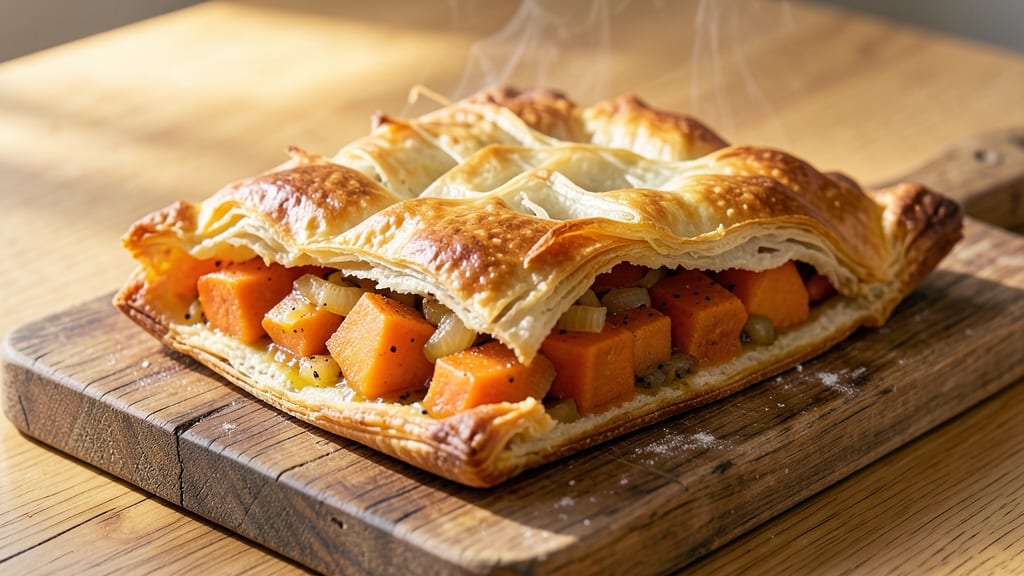
This sweet potato pasty recipe delivers the perfect balance of flaky, golden crust and rich, savory-sweet filling—inspired by traditional Cornish pasties but elevated for modern kitchens.
The secret lies in a crisp, layered dough that encases tender sweet potatoes, onions, and herbs, baked until the edges are perfectly crisp and the filling melts in your mouth. I’ve tested countless variations to ensure this recipe stays true to its rustic roots while offering flexibility for dietary preferences.
What sets this recipe apart is the foolproof dough technique, where butter and lard create a rich, flaky texture without requiring advanced pastry skills. The filling combines roasted sweet potatoes with savory elements like onions, garlic, and thyme, creating a harmonious blend of sweet and earthy flavors.
Whether you prefer a classic meat filling or a vegetarian version, the crust remains the star—golden, crisp, and sturdy enough to hold its shape.
The baking process is where the magic happens: a high oven temperature ensures the crust gets crispy while the filling stays tender and flavorful. The result is a pasty that’s hearty enough for a main dish or substantial enough to serve alongside roasted meats.
Each bite delivers layers of texture—crisp crust, creamy filling, and aromatic herbs—that make this dish unforgettable.
Perfect for meal prep, potlucks, or a cozy family dinner, this recipe scales easily and reheats beautifully. The instructions walk you through every step, from dough preparation to baking, ensuring restaurant-quality results in your own kitchen. Let’s get started!
Ingredients for sweet potato pasty
Flaky crust meets savory-sweet filling—just nine ingredients for restaurant-quality pasties at home.
| Ingredient | Amount | Notes |
|---|---|---|
| All-Purpose Flour 🌾 | 3 cups | Sifted for light texture |
| Unsalted Butter 🧈 | ½ cup | Cold, cubed for flakiness |
| Lard 🧈 | ½ cup | Chilled for crisp crust |
| Ice Water 💧 | ½ cup | For dough elasticity |
| Medium Sweet Potatoes 🍠 | 2 whole | Peeled, cubed evenly |
| Yellow Onion 🧅 | 1 whole | Diced, medium size |
| Garlic Cloves 🧄 | 3 cloves | Minced for aroma |
| Fresh Thyme Leaves 🌿 | ¼ cup | Chopped, or dried substitute |
| Salt 🧂 | 1 ½ tsp | Kosher or sea salt |
| Black Pepper 🌶️ | ½ tsp | Freshly ground preferred |
| Vegetable Oil 🫒 | 1 tbsp | For roasting potatoes |
| All-Purpose Flour 🌾 | 1 tbsp | For dusting work surface |
The butter and lard combination is non-negotiable for that crisp, flaky crust. Kirkland Signature or Land O'Lakes butter works well, but avoid margarine—it won't give the same texture. For lard, Armour is widely available and reliable. Keep everything cold when handling the dough—chilled hands, chilled bowl. If your kitchen gets warm, pop the dough back in the fridge for 20 minutes before rolling. Sweet potatoes should be firm and dry—roast them until tender but not mushy, or they'll turn to paste inside.
No lard? Vegetable shortening in a pinch, though texture won't be identical. Swap fresh thyme for dried at one-third the amount, but fresh is ideal—it adds that bright, herbal note. The flour matters too: King Arthur or Gold Medal brands give the best rise. For a gluten-free version, use a 1:1 GF flour blend and add 1 tsp xanthan gum. The potatoes can be roasted ahead and stored in the fridge for 3 days—just reheat before assembling. Onion and garlic can be prepped while the oven preheats.
Assembled pasties keep in the fridge for 3 days—wrap tightly in foil to maintain crispness. Freeze unbaked pasties for 3 months by wrapping individually in parchment and plastic. Reheat from frozen: bake at 375°F for 45 minutes until golden. The crust reheats best at a lower temp to avoid burning. For meal prep, bake a double batch and freeze half—perfect for busy weeknights. Leftovers? Slice and warm in a 350°F oven for 10 minutes to restore crispness.
Why You'll Love This Recipe
- No-Fuss Dough: I swear by that lard-butter combo—it’s flaky without being a pain. Mix the dough in five minutes, slap it together, and let the oven do the work. No rolling pins, no stress.
- Sweet Spud Magic: That caramelized sweet potato filling? It’s the star. The outside gets crispy, the inside stays tender—like a hug from your grandma, but better. (Yes, even if you’re not a sweet potato fan.)
- Lunchbox Hero: Between us, these reheat beautifully. Pack one for work, and it’s still warm and satisfying by noon. Kids? They’ll eat it cold too. (I’ve seen it happen.)
- Pantry Staple Power: Flour, butter, lard—ingredients you already own. Sweet potatoes are cheap, and one batch feeds four. Leftovers? Freeze ‘em. I’ve pulled these straight from the freezer and they’re still delicious.
Step-by-step instructions for sweet potato pasty
Master the art of a rustic pasty with a golden, flaky crust and tender filling.
Prepare the Sweet Potato and Onion Filling
Preheat your oven to 400°F and line a baking sheet with parchment paper. Toss the 2 whole medium sweet potatoes (peeled and cubed) with 1 tablespoon vegetable oil, 1 teaspoon salt, and ¼ teaspoon black pepper. Spread them in a single layer on the baking sheet and roast for 15-20 minutes, stirring halfway, until tender and slightly caramelized.
While the potatoes roast, dice the 1 whole yellow onion into medium pieces and transfer them to a large skillet over medium heat. Cook until softened and translucent, about 5 minutes. Add the 3 minced garlic cloves and cook for another 30 seconds until fragrant. Stir in the ¼ cup chopped fresh thyme leaves and set aside to cool slightly.
Combine the Filling and Prepare the Dough
In a large bowl, gently mix the roasted sweet potatoes with the onion mixture. Let the filling cool to room temperature—this prevents steam from making the dough soggy. While the filling cools, create a well in the center of the 3 cups sifted all-purpose flour on a clean work surface. Add the ½ cup cold cubed unsalted butter and ½ cup chilled lard to the well.
Using a pastry cutter or your fingers, work the butter and lard into the flour until the mixture resembles coarse crumbs with pea-sized fat pieces. Gradually sprinkle in the ½ cup ice water and ½ teaspoon remaining salt, mixing just until the dough comes together. Avoid overworking it—handle it only enough to form a smooth, slightly tacky ball. Wrap the dough in plastic wrap and refrigerate for 30 minutes to firm up.
Roll and Assemble the Pasty
On a lightly floured surface, roll the chilled dough into a 12-inch circle, about ⅛-inch thick. Dust the surface with 1 tablespoon all-purpose flour to prevent sticking. Spoon the sweet potato filling onto one half of the rolled dough, leaving a 2-inch border around the edges. Fold the dough over the filling to create a half-moon shape, then crimp the edges tightly with your fingers or a fork to seal completely.
Place the pasty seam-side up on a parchment-lined baking sheet. Cut a few small slits on the top to allow steam to escape. Brush the surface with a little beaten egg (optional, for extra shine) and bake at 400°F for 40-45 minutes, until the crust is deep golden brown and the filling is bubbling through the slits. The internal temperature of the filling should reach 180°F.
Rest and Serve
Remove the pasty from the oven and let it rest for 10 minutes before slicing. This resting period allows the filling to set and the crust to firm up, making it easier to cut cleanly. Serve warm, straight from the oven, with a side of crusty bread or a simple green salad to balance the richness.
The result should be a perfectly flaky crust with a tender, savory-sweet filling that holds together beautifully. For best results, enjoy the pasty while it's still warm—this is when the flavors are at their peak.
Pro Tips For Making Sweet Potato Pasty
- STEAM THE POTATOES FIRST: I used to peel and cube raw sweet potatoes, then toss them straight into the filling—big mistake. Par-cook them until fork-tender (about 10 minutes in boiling water), then drain and mash or slice. This keeps the filling moist instead of dry and gummy, and the pasty stays tender even after baking.
- CHILL THE DOUGH LONGER: Skip the 30-minute rest if you’re in a hurry, but don’t skip it entirely. Wrap the dough in plastic and refrigerate for at least 2 hours (or overnight). Cold dough handles better when rolling, seals tighter, and prevents that sad, soggy bottom—especially when lard’s involved.
- USE LARD, NOT SHORTENING: Shortening’s easier, but lard gives that flaky, buttery layer you crave. If you’re squeamish, use leaf lard (the stuff in tubes) or render your own from pork fat. Mix it cold with the butter—no melting—so it creates steam pockets, not grease.
- BAKE UNTIL GOLDEN, NOT JUST BROWN: The pasty’s done when the crust is deep golden, not just a dull tan. If it’s browning too fast, tent with foil, but finish uncovered to crisp it. Overbaking turns sweet potatoes dry; pull it out when the crust’s firm and the filling’s just set—about 45-55 minutes total.
Regional styles of this dish
Cornish Roots
The sweet potato pasty traces its origins to Cornwall, England, where miners once carried these handheld pies underground. Traditionally filled with beef, potatoes, and swede, the modern version swaps beef for sweet potatoes while keeping the rustic, flaky crust.
Cornish pasties were designed to be eaten with hands—no utensils needed! The thick crust protected the filling from the harsh mining conditions, making it a practical and hearty meal. 🌍
American Twist
In the US, the sweet potato pasty evolved to incorporate local ingredients like sweet potatoes and herbs. Chefs often add a touch of maple syrup or brown sugar to the filling for extra sweetness, balancing the savory elements.
The American version also tends to be slightly larger, making it a perfect shareable dish for gatherings. I love adding a sprinkle of smoked paprika for depth—it’s a nod to Southern BBQ traditions.
Canadian Adaptation
Up north, Canadian cooks often swap sweet potatoes for regular potatoes and add maple-glazed bacon or wild mushrooms to the filling. The crust might include a pinch of cinnamon or allspice for warmth, reflecting the country’s love of bold spices.
These pasties are a staple in outdoor festivals and winter potlucks, where they’re served with apple butter or a sharp cheddar sauce. 🍁
Modern Fusion
Today’s chefs are getting creative with pasties, blending global flavors. Try adding black beans and corn for a Tex-Mex twist, or swap thyme for rosemary and add goat cheese for a Mediterranean touch.
Even vegan versions thrive with cashew cream and nutritional yeast. The key? Keep the crust flaky and the filling balanced—whether sweet or savory, the pasty’s magic lies in its rustic charm. 💫
Nutrition facts
Frequently asked questions
Can I make this sweet potato pasty without lard?
Yes! Replace the lard with ½ cup vegetable shortening for a similar flaky texture, though the crust won't be quite as rich. For a lighter option, use ½ cup cold butter plus ¼ cup shortening. Keep everything chilled to maintain crispness—cold fat = flaky crust.
How do I prevent the crust from getting soggy?
Cool the filling completely before assembling, and brush the crust with a light egg wash before baking. For extra protection, blind-bake the crust for 5 minutes at 400°F before adding filling. The 10-minute rest after baking also helps set the crust.
Can I make this recipe gluten-free?
Use a 1:1 gluten-free flour blend (like Bob's Red Mill) and add 1 teaspoon xanthan gum to the dough. Chill the dough longer (45 minutes) since GF flours absorb moisture differently. The crust will be slightly denser but still delicious.
What's the best way to reheat leftovers?
Wrap pasties in foil and reheat at 350°F for 10-15 minutes to restore crispness. For extra crunch, place them on a baking sheet and broil for 2-3 minutes at the end. Microwaving works in a pinch but sacrifices texture.
Can I add meat to the filling?
Traditional Cornish pasties include beef, but you can easily adapt this recipe! Brown ½ lb ground beef or diced steak with the onions, then mix with the roasted sweet potatoes. For a heartier version, add 1 cup cooked lentils or ½ cup crumbled bacon.