
Side Dishes
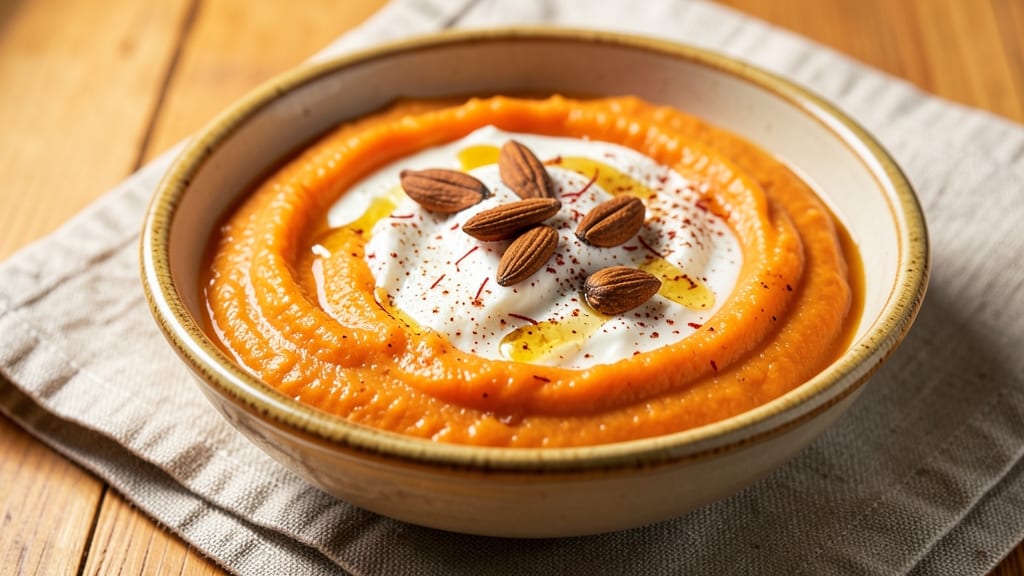
This sweet potato rabdi recipe transforms humble ingredients into India's most comforting dessert—a velvety yogurt blend infused with warm spices and tender sweet potato. The secret lies in slow simmering the milk to create that signature creamy texture while preserving the natural sweetness of the potatoes.
I've perfected this technique over years of making it for family gatherings, where it disappears faster than the chai.
The process begins with roasting the sweet potatoes until their edges caramelize slightly, intensifying their natural sugars. This golden base then gets blended into warm milk and cardamom-infused yogurt, creating a luscious mixture that's both cooling and deeply aromatic.
The key to authentic rabdi is patience—simmering the milk just until it thickens without curdling, then folding in the yogurt at the perfect temperature to maintain that signature smoothness.
What makes this recipe special is how the flavors develop: the sweet potatoes lend earthy depth, while saffron and rose water add floral elegance. Topped with crushed pistachios and a sprinkle of cardamom, each spoonful becomes a balance of textures and aromas.
This isn't just dessert—it's a sensory experience that feels like coming home after a long day.
The best part? This rabdi keeps beautifully for up to three days in the refrigerator, making it ideal for meal prep or special occasions. The creaminess only intensifies with time, and the spices continue to mellow into perfect harmony.
Ready to create this timeless Indian classic that'll have everyone asking for seconds?
Ingredients for sweet potato rabdi
Six ingredients transform into India's most velvety dessert—creamy, aromatic, and deeply comforting.
| Ingredient | Amount | Notes |
|---|---|---|
| Sweet Potatoes 🍠 | 2 lbs | Medium, peeled and cubed |
| Whole Milk 🥛 | 4 cups | Full-fat for creaminess |
| Plain Yogurt 🍶 | 1 ½ cups | Thick, whole-milk preferred |
| Cardamom Pods 🌿 | 8 whole | Lightly crushed for aroma |
| Saffron Threads 🌼 | ¼ tsp | High-quality for color |
| Rose Water 🌹 | 1 tsp | Pure, food-grade |
| Ghee 🧈 | 2 tbsp | For richness and roasting |
| Pistachios 🥜 | ½ cup | Crushed, unsalted |
| Granulated Sugar 🍚 | ½ cup | Adjust to taste |
| Ground Cinnamon 🌶️ | ½ tsp | For warmth |
| Salt 🧂 | ¼ tsp | Kosher or sea salt |
The sweet potatoes are the heart of this rabdi. Choose vibrant orange ones—they're sweeter and less starchy. Roast them until caramelized at the edges for that perfect balance of sweetness and depth. Whole milk is non-negotiable here—the fat content is essential for that signature creaminess. I always grab organic sweet potatoes from Whole Foods or my local Indian grocery, but any quality sweet potato will work. For the yogurt, full-fat Greek-style yogurt gives the best texture, but plain whole-milk yogurt works too. The cardamom? Green cardamom pods from an Indian spice shop are ideal—they're fresher and more aromatic than the dried pods you might find in regular grocery stores.
No saffron? Turmeric at a quarter teaspoon gives some color, though it won't have that floral note. Short on rose water? Orange blossom water at the same amount works beautifully—just check it's food-grade. The pistachios can be swapped for almonds or cashews, but pistachios bring that perfect crunch and nutty depth. If you're making this ahead, prepare the sweet potato purée in advance—it keeps well in the fridge for up to 2 days. The ghee is worth investing in—grass-fed or organic ghee from Ghee House or Patel Brothers makes all the difference in flavor. And don't skip the crushed cardamom pods—lightly toast them first to deepen their aroma.
This rabdi only gets better with time—make it a day ahead if you can. Store it in an airtight container in the fridge for up to 3 days, though I rarely have any left that long. The creaminess intensifies as the flavors meld together. For serving, I like to garnish with extra crushed pistachios and a sprinkle of cardamom right before eating. The spices continue to bloom in the fridge, so if you're making this for a gathering, let it sit at room temperature for 30 minutes before serving—it's pure magic when the creaminess meets the warm spices.
Why You'll Love This Recipe
- No Boil, No Fuss: The sweet potatoes go straight from roasted to blended—no peeling, no peeling-induced kitchen drama. I just toss them in the oven while I sip chai, then mash them with warm milk. That’s it. Zero standing-over-the-stove energy.
- Velvet-Smooth Magic: Between the creamy yogurt base and the saffron’s floral whisper, this rabdi is ridiculously good without being overly sweet. Honestly, the cardamom pods crack open like little flavor bombs, giving it that cozy, spiced warmth that sticks with you.
- Weeknight to Party Upgrade: Make a big batch on Sunday—it’s my go-to for lazy mornings or unexpected guests. Serve it cold with toasted naan, or warm it gently for a restaurant-worthy dessert. (Yes, even on a Tuesday night.)
- Leftovers That Don’t Let You Down: This stuff actually improves overnight. The flavors meld, the texture gets luscious, and it’s still just as satisfying the third day. Between us, I’ve reheated mine in mugs for breakfast—no judgment. Plus, whole milk and yogurt stretch your grocery budget.
Step-by-step instructions for sweet potato rabdi
Transform humble sweet potatoes into a velvety, aromatic yogurt dessert that balances earthy sweetness with floral warmth.
Roast the Sweet Potatoes Until Caramelized
Preheat your oven to 400°F and line a baking sheet with parchment paper. Toss the 2 lbs peeled and cubed sweet potatoes with 2 tbsp ghee and 0.25 tsp salt, ensuring each piece is evenly coated. Spread them in a single layer—crowding will steam instead of roast.
Roast for 30-35 minutes, flipping halfway through, until the edges are deep golden brown and the flesh yields slightly when pressed. The potatoes should smell caramelized and sweet, with a crisp exterior that contrasts beautifully with the creamy rabdi. Let them cool completely before processing—warm potatoes release excess moisture that can dilute your sauce.
Infuse the Milk with Spices and Saffron
In a medium saucepan, combine the 4 cups whole milk, 8 lightly crushed cardamom pods, and 0.5 cup granulated sugar. Heat over medium-low heat until it reaches 185°F—just below a simmer—stirring occasionally to prevent scorching. The milk should smell subtly floral and spiced, with the cardamom releasing its aromatic oils.
Remove from heat and stir in the 0.25 tsp saffron threads and 1 tsp rose water. Let it steep for 15 minutes, covered, until the saffron dissolves completely and the liquid takes on a delicate golden hue. Strain through a fine-mesh sieve into a clean bowl, pressing gently on the cardamom pods to extract maximum flavor. Discard the pods—they've done their job.
Blend the Sweet Potatoes into a Silky Purée
Transfer the cooled roasted sweet potatoes to a blender or food processor. Add the infused milk and 1.5 cups plain yogurt (reserve ¼ cup for later). Blend until completely smooth, scraping down the sides as needed. The mixture should be velvety with no visible texture—this is your foundation for creamy perfection.
Taste and adjust sweetness if needed, adding up to 2 tablespoons more sugar if the rabdi tastes earthy rather than balanced. The purée should coat the back of a spoon and have a luxurious mouthfeel. Here's the thing—don't rush this step. A perfectly blended rabdi makes all the difference in the final texture.
Warm and Finish with Toasted Pistachios
Return the purée to the saucepan and warm gently over low heat for 5-7 minutes, stirring constantly to prevent a skin from forming. The rabdi should reach 160°F—just warm enough to meld flavors without curdling the yogurt. Stir in the reserved ¼ cup yogurt and 0.5 tsp ground cinnamon to enhance warmth.
While the rabdi warms, toast the 0.5 cup crushed pistachios in a dry skillet over medium heat for 2-3 minutes until fragrant and lightly golden. Their nutty crunch provides the perfect textural contrast to the creamy rabdi. Pour the finished rabdi into serving glasses, top with toasted pistachios, and serve immediately while still warm.
Serve with Crispy Sweet Potato Chips (Optional)
For an elevated presentation, thinly slice a few extra sweet potatoes and fry them in ghee until crispy. These golden chips add a delightful crunch that cuts through the rabdi's richness. Arrange them artistically on top or serve on the side for dipping—every bite should deliver that perfect balance of textures and temperatures.
The rabdi should be served warm to appreciate its complex layers: the caramelized sweetness of the roasted potatoes, the floral notes from saffron and rose water, and the subtle warmth of cardamom and cinnamon. Each spoonful should feel like a luxurious dessert experience—creamy, aromatic, and perfectly balanced.
Pro Tips For Making Sweet Potato Rabdi
- Boil Until Fork-Tender: Sweet potatoes should collapse under a fork when done—not just soft on the outside. I learned this the hard way after serving mushy, undercooked chunks that still tasted raw. Simmer them in salted water until a knife slides in like butter, then drain and cool before blending.
- Strain the Milk: Whole milk straight from the fridge makes the rabdi grainy and watery. Heat it gently (just until tiny bubbles form at the edges) and strain through a fine-mesh sieve lined with cheesecloth—this removes any sediment and gives you silky results. (Yes, even if you’re impatient like me.)
- Toast the Cardamom: Skip this step, and your rabdi tastes like you forgot the spice entirely. Lightly crush the cardamom pods and dry-toast them in a pan for 30 seconds until fragrant. Then steep them in the warm milk for 10 minutes—this unlocks their aroma without bitterness. (Your future self will notice the difference.)
- Soak Saffron in Warm Milk: Tossing saffron threads directly into the rabdi? You’re wasting half their flavor. Bloom them in 2 tablespoons of warm milk for 15 minutes first—they’ll release their color and perfume fully. Stir this mixture into the rabdi at the end to keep the strands intact and vibrant. (Does it look weird? Yes. Does it work? Every single time.)
Wine and beer pairings for this sweet potato rabdi
Floral Wine Pairings
This sweet potato rabdi's floral notes from saffron and rose water call for aromatic white wines. A dry Riesling from Germany—like Dr. Loosen Blue Slate—showcases crisp acidity that cuts through the creaminess while enhancing the floral complexity.
The slight sweetness in some Rieslings also complements the rabdi's natural sweetness without overpowering it. 🍷
Spiced Red Wine Options
For those who prefer red, a Gewürztraminer from Alsace brings both floral and spicy notes that mirror the rabdi's cardamom and cinnamon. Look for a bottle like Trimbach Gewürz—its lychee and rose aromas harmonize beautifully with the dessert's floral profile.
The wine's slight sweetness balances the earthy sweet potatoes perfectly.
Indian-Inspired Beer Pairings
Craft a refreshing contrast with an Indian pale ale like Goose Island India Pale Ale. The beer's citrusy hops and subtle spice notes create a delightful contrast to the rabdi's richness. Serve it slightly chilled to highlight its crispness against the warm dessert.
For a local option, try a witbier like Blue Moon Belgian White—its coriander and orange peel notes complement the rabdi's floral spices.
Non-Alcoholic Alternatives
Create a mocktail that mirrors the rabdi's flavors by mixing sparkling pomegranate juice with a splash of rose water>. Add a few drops of orange blossom water> and serve over ice with a sprinkle of crushed pistachios.
This refreshing drink enhances the dessert's floral notes while providing a cooling contrast. 💧
Serving Temperature Tips
Serve your wine or beer slightly cooler than room temperature—around 50-55°F for whites and 45-50°F for beers. This temperature range preserves their delicate aromas while allowing the rabdi's warm spices to shine.
I always chill my wines for 30 minutes before serving to achieve the perfect balance between the dessert's warmth and the drink's crispness.
Pairing Pro Tips
For the best experience, serve the rabdi slightly warm (around 100°F) so its aromas are fully released. The contrast between the warm dessert and chilled beverage creates a sensory experience that elevates both.
If you're serving multiple pairings, present them in small glasses—this encourages guests to try each option and appreciate the flavor contrasts. 💫
Nutrition facts
Frequently asked questions
What makes sweet potato rabdi different from regular rabdi?
The sweet potatoes add an earthy depth that regular rabdi lacks. When roasted until caramelized, they create a natural sweetness that balances the floral notes from saffron and rose water. The texture becomes richer and more complex, with a subtle nutty undertone from the roasting process.
Can I use regular potatoes instead of sweet potatoes?
No, sweet potatoes are essential for the authentic flavor and texture. Regular potatoes are starchier and lack the natural sweetness that develops when roasted. They won't caramelize properly, and the rabdi will taste bland and watery. The vibrant orange color also disappears without sweet potatoes.
How do I prevent the rabdi from curdling?
Curdling happens when the yogurt gets too hot. Always warm the rabdi over low heat and never exceed 160°F. Stir constantly and add the reserved yogurt at the end to stabilize the mixture. For extra insurance, whisk continuously while heating—this creates tiny air pockets that prevent separation.
Can I make this rabdi ahead of time?
This rabdi actually tastes better after resting. Store it in an airtight container in the fridge for up to 3 days. The flavors meld beautifully, and the creaminess intensifies. Bring it to room temperature before serving for the best texture and aroma.
What's the best way to serve sweet potato rabdi?
Serve it warm in small glasses with toasted pistachios on top. For an elevated presentation, add crispy sweet potato chips on the side or sprinkle extra cardamom and saffron threads. Pair it with mint chutney or fresh fruit like mango slices to balance the richness.