
Side Dishes
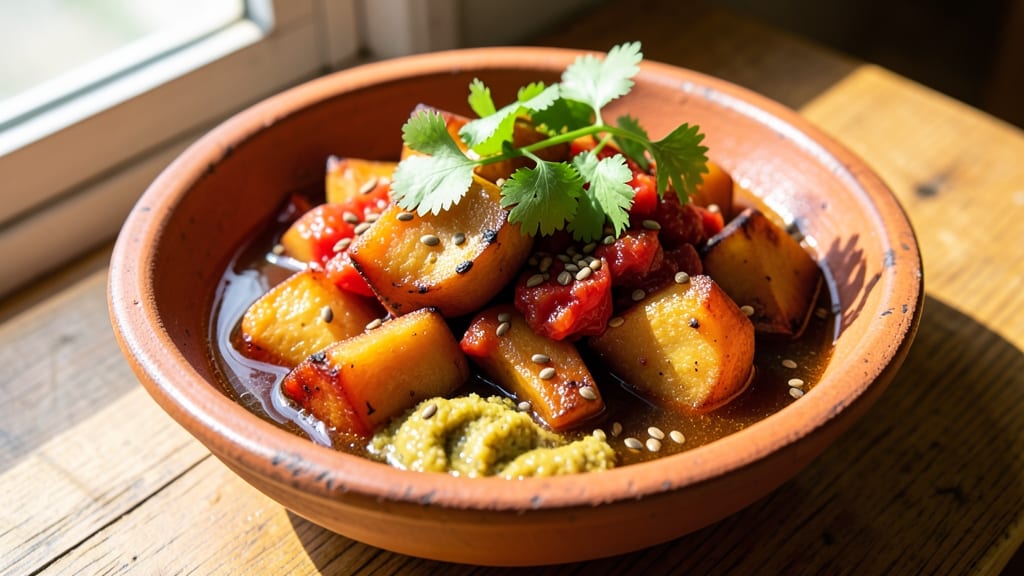
This sweet potato rasam recipe transforms a traditional South Indian staple into a quick, vegan comfort dish that delivers bold flavors in under 30 minutes. The secret lies in balancing tangy tamarind, spiced tomatoes, and earthy sweet potatoes—creating a soup that’s both restaurant-worthy and effortlessly homemade.
I developed this version after realizing how much faster it cooks than classic rasam while keeping all the depth of flavor.
What sets this recipe apart is the way sweet potatoes add natural sweetness and body, replacing the need for rice or lentils while keeping it hearty. The tangy-tomato base builds slowly with toasted spices—cumin, coriander, and black pepper—that wake up every spoonful.
This isn’t just a side; it’s a complete meal that pairs perfectly with steamed rice, dosa, or even crusty flatbread.
By the time you’re done, you’ll have a steaming pot of aromatic rasam with vibrant red color and layers of taste: the bright tang of tamarind, the warmth of spices, and the subtle sweetness of roasted sweet potatoes.
The texture is silky yet substantial, making it equally satisfying as a light lunch or comforting dinner. Best of all, it’s ready in 25 minutes—no long simmers required.
For those who love traditional rasam but need something faster, this adaptation keeps the soul of the dish while modernizing the technique. The sweet potatoes add a subtle caramelized depth when roasted, and the tamarind ensures that signature tang that makes rasam irresistible.
Serve it piping hot with a sprinkle of fresh cilantro for the perfect balance of quick comfort and authentic flavor.
Ingredients for sweet potato rasam
Quick vegan comfort in 25 minutes—just 15 ingredients for restaurant-worthy rasam.
| Ingredient | Amount | Notes |
|---|---|---|
| Sweet Potatoes 🍠 | 2 medium | Peeled, cubed, roasted first |
| Canned Crushed Tomatoes 🍅 | 1 can | 14.5 oz, no salt added |
| Tamarind Paste 🍯 | 2 tbsp | Adjust for tang preference |
| Fresh Cilantro 🌿 | ¼ cup | Chopped, for garnish |
| Fresh Ginger 🧄 | 1 inch | OR 1 tbsp grated ginger |
| Cumin Seeds 🌿 | 1 tsp | Toasted for aroma |
| Ground Coriander 🌿 | 1 tsp | Freshly ground preferred |
| Black Peppercorns 🌶️ | ½ tsp | Crushed, not ground |
| Asafoetida Powder 🌿 | ¼ tsp | Pinch for authentic flavor |
| Vegetable Oil 🫒 | 2 tbsp | High smoke point preferred |
| Red Chili Powder 🌶️ | ½ tsp | Adjust for heat preference |
| Salt 🧂 | ½ tsp | Adjust to taste |
| Turmeric Powder 🌿 | ¼ tsp | Freshly ground preferred |
| Coconut Milk 🥥 | ½ cup | Light variety for creaminess |
| Lemon Juice 🍋 | 1 tbsp | Freshly squeezed |
Sweet potatoes are the star here—orange-fleshed varieties like Jewel or Beauregard work best. Roast them first for natural sweetness and texture. Whole Foods or Trader Joe's usually carry the best organic options. If you can't find fresh tamarind, Indian grocery stores sell paste in small jars—it's a game-changer for authentic tang. The ginger should be fresh and vibrant; Costco's bulk section has great prices. Toast your spices in the same oil you'll cook with—cold-pressed sesame oil adds depth, but vegetable oil works too.
No tamarind? Lime juice plus 1 tsp sugar mimics the tang, though it's not identical. Running short on coconut milk? Cashew cream (blend soaked cashews with water) works perfectly. The asafoetida (hing) is non-negotiable for that classic rasam umami—Penzeys or Indian markets sell it in tiny jars. For heat control, swap chili powder for fresh green chilies (remove seeds for milder flavor). The cilantro can be subbed with parsley if you're out, but fresh cilantro's bright flavor is ideal. If your tomatoes are watery, drain them thoroughly before using.
Roasted sweet potatoes keep 5 days in the fridge—perfect for quick lunches. The rasam itself reheats beautifully; just add a splash of water to loosen if it thickens. Freeze portions in ice cube trays for 3 months—thaw and reheat with extra water. For meal prep, make a double batch and store components separately: roasted sweet potatoes, spice base, and tangy tomato mixture. Assemble fresh when ready to eat to preserve maximum flavor. The coconut milk should be added last to maintain its creaminess.
Why You'll Love This Recipe
- Here’s what sold me: the caramelized sweetness of roasted sweet potatoes meets the sharp, cooling bite of tamarind. It’s not too sweet, not too sour—just that perfect push-and-pull. My picky-eater husband actually finishes his bowl, and that’s saying something.
- Pantry-Friendly Magic: I swear by this recipe when my fridge is bare—just sweet potatoes, a can of tomatoes, and a spoonful of tamarind. No fancy shopping, no last-minute grocery runs. The tamarind paste does all the heavy lifting for that tangy depth, while the ginger and cilantro add brightness with almost no effort.
- Sweet Heat Balance: Here’s what sold me: the caramelized sweetness of roasted sweet potatoes meets the sharp, cooling bite of tamarind. It’s not too sweet, not too sour—just that perfect push-and-pull. My picky-eater husband actually finishes his bowl, and that’s saying something.
- Doubles as Soup or Sauce: Between us, this recipe is my secret weapon for lazy Sundays or rushed weeknights. Thin it with broth for a hearty soup, or let it reduce into a thick, flavor-packed sauce over rice or dosas. I’ve even used it as a marinade for grilled chicken—versatile enough to handle anything.
Step-by-step instructions for sweet potato rasam
Here's how to transform humble ingredients into a vibrant, tangy rasam that delivers both comfort and speed.
Roast the Sweet Potatoes Until Caramelized
Preheat your oven to 400°F and line a baking sheet with parchment paper. Cut the 2 medium sweet potatoes into ½-inch cubes and toss them with 1 tablespoon of the vegetable oil and ¼ teaspoon of the salt. Spread them in a single layer, leaving space between each piece for even browning.
Roast for 25-30 minutes, stirring halfway through, until the edges are deep golden brown and the cubes feel tender when pierced with a fork. The sweet potatoes should smell caramelized and slightly nutty—this roasting step develops their natural sweetness and creates the perfect base for the rasam. Remove them from the oven and set aside.
Toast Spices and Build the Flavor Base
Heat the remaining 1 tablespoon vegetable oil in a heavy-bottomed pot over medium heat. Add the 1 teaspoon cumin seeds and let them sizzle for 30 seconds until they release their aroma and begin to darken slightly. Immediately add the 1-inch fresh ginger, sliced thinly, and the ½ teaspoon crushed black peppercorns.
Sauté for 2 minutes until the ginger softens and becomes fragrant. Then add the ½ teaspoon red chili powder, 1 teaspoon ground coriander, and ¼ teaspoon turmeric powder, stirring constantly for 30 seconds to toast the spices. This step unlocks their full flavor potential—don't skip it. The spices should smell warm and earthy, with a hint of smokiness from the chili.
Simmer the Rasam for Tangy Depth
Pour in the 1 can crushed tomatoes and stir well to combine with the spices. Add 2 tablespoons tamarind paste and ½ teaspoon salt, then bring the mixture to a gentle boil. Once boiling, reduce heat to medium-low and let it simmer uncovered for 15-20 minutes, stirring occasionally.
You'll notice the mixture thickens slightly and develops a rich, tangy aroma. The tamarind paste will dissolve completely, giving the rasam its signature sour kick. After 10 minutes, add the roasted sweet potato cubes and stir gently to coat them in the sauce. Simmer for another 5 minutes until the sweet potatoes are tender and the flavors meld together. The rasam should have a thick, syrupy consistency—this is the perfect base for the final touches.
Finish with Creaminess and Freshness
Reduce the heat to low and stir in the ½ cup coconut milk and 1 tablespoon lemon juice. The coconut milk will add a velvety texture, while the lemon juice brightens the flavors. Add the ¼ teaspoon asafoetida powder and stir well—this ingredient is the secret to authentic rasam flavor, adding a subtle umami depth that ties everything together.
Simmer for another 2-3 minutes, just until the coconut milk is fully incorporated and the rasam reaches your desired consistency. Taste and adjust the seasoning—you might need a pinch more salt or a splash of lemon juice to balance the flavors. The rasam should be tangy, slightly sweet from the sweet potatoes, and deeply aromatic from the spices.
Garnish and Serve Warm
Remove the pot from heat and let the rasam sit for 2 minutes to allow the flavors to settle. Stir in the ¼ cup chopped fresh cilantro, reserving a few sprigs for garnish. Ladle the rasam into bowls and garnish with the reserved cilantro. Serve immediately with steamed rice or warm flatbreads for the ultimate comfort meal.
Each spoonful should deliver a harmonious blend of tangy, spicy, and creamy flavors, with the sweet potatoes adding a subtle sweetness that rounds out the dish. The rasam should be warm, inviting, and packed with layers of flavor—exactly what you'd expect from a comforting, quick-to-make meal. Enjoy it while it's hot, as the flavors continue to develop even after it's served.
Pro Tips For Making Sweet Potato Rasam
- Peel Sweet Potatoes After Cooking: I learned this the hard way—peeling raw sweet potatoes means you lose half the flavor and texture. Boil them whole with their skin on (about 15-20 minutes until fork-tender), then peel while warm. The flesh stays creamier, and you avoid the dry, gritty mess that happens when you peel first.
- Bloom Tamarind with Ginger: Dump the tamarind paste and grated ginger directly into the hot oil before adding tomatoes—this blooms their flavors together. Let them sizzle for 30 seconds until the oil smells aromatic. Skipping this step leaves your rasam tasting flat, like someone forgot the soul.
- Crush Tomatoes by Hand: Canned tomatoes are convenient, but resist the urge to blend them smooth. Roughly crush them with your fingers or a fork to keep some texture—this prevents a gluey consistency. (Yes, even if you’re impatient like me.)
- Simmer Low and Long: After adding the sweet potato purée, drop the heat to low and let it cook uncovered for 20-25 minutes. This evaporates excess water without scorching, giving you a rich, balanced rasam—not a watery soup. Sounds weird, but it works.
Flavor customization for this dish
Spice Level Control
Adjust the heat to your preference by modifying the chili components. For a mild version, reduce the red chili powder to ¼ teaspoon or swap it for ½ teaspoon mild paprika.
If you love spice, add 1-2 fresh green chilies (seeds removed for medium heat) or ½ teaspoon cayenne pepper. I like to keep mine medium-spicy—just enough to wake up your palate without overwhelming the sweet potatoes' natural sweetness. 🌶️
Tangy Variations
Tamarind is the soul of rasam, but if you can't find it, lime juice + 1 teaspoon sugar works in a pinch (though it lacks depth). For extra tang, add 1 tablespoon apple cider vinegar at the end.
If you prefer a less sour version, reduce tamarind to 1 tablespoon and add ½ teaspoon honey to balance. The sweet potatoes already add natural sweetness, so be mindful not to overdo it.
Creamy Upgrades
For a richer texture, swap coconut milk for cashew cream (blend ½ cup soaked cashews + ¼ cup water) or Greek yogurt (if not vegan). If you love umami, stir in 1 tablespoon miso paste at the end for a Japanese-Indian fusion twist.
A splash of coconut cream (instead of milk) makes it extra velvety—perfect for those who crave restaurant-style richness. 🥥
Sweet Potato Swaps
Use butternut squash (cubed and roasted) for a nutty, earthier flavor, or regular potatoes (Yukon Gold works best) for a lighter taste. For extra depth, roast the sweet potatoes with ½ teaspoon smoked paprika before adding them to the rasam.
If you prefer mashed sweet potatoes, blend half the roasted cubes into the rasam for a smoother texture—just simmer longer to thicken.
Herb & Freshness Boosts
Swap cilantro for fresh mint (add at the end) for a refreshing twist, or mix both for a balanced herb profile. For a garlicky kick, add 2 minced garlic cloves when toasting the spices.
A sprinkle of toasted cumin powder on top adds crunch and warmth. If you love brightness, finish with a few drops of lime zest—it elevates the tang without extra liquid.
Protein Add-Ins
Make it a complete meal by stirring in ½ cup cooked lentils (like toor dal) or crumbled tofu (pan-fried for texture). For a South Indian twist, add ½ cup poached chickpeas at the end.
If you're not vegan, shredded chicken or crumbled paneer work beautifully—just cook them separately and fold in at the very end to keep them tender. 💪
Nutrition facts
Frequently asked questions
Can I make this rasam without tamarind?
Yes! For a quick substitute, mix 1 tablespoon lime juice with ½ teaspoon sugar to mimic tamarind's tang. For deeper flavor, add 1 tablespoon apple cider vinegar at the end. The sweet potatoes' natural sweetness will help balance the tang without tamarind.
How do I adjust the spice level for kids?
Reduce the red chili powder to ¼ teaspoon or omit it entirely. For mild heat, use ½ teaspoon mild paprika instead. Skip fresh green chilies and cayenne entirely—this keeps the rasam flavorful while being gentle for little palates.
Can I make this rasam ahead of time?
Store the cooked rasam (without coconut milk) in an airtight container for 3 days in the fridge. Reheat gently with a splash of water, then stir in fresh coconut milk and cilantro. For best flavor, add lemon juice and cilantro fresh after reheating.
What's the best way to use leftover rasam?
Transform it into a rasam dosa by blending with ½ cup rice batter and cooking like pancakes. Or make rasam rice by simmering with 1 cup cooked rice for 5 minutes. The sweet potatoes add natural sweetness that pairs perfectly with both.
Why did my rasam turn out too thin?
This usually happens if you didn't simmer long enough or used too much coconut milk. For thicker rasam, simmer uncovered for 5 extra minutes or mash half the sweet potatoes before adding them. If needed, mix 1 teaspoon cornstarch with water and stir in at the end.