
Side Dishes
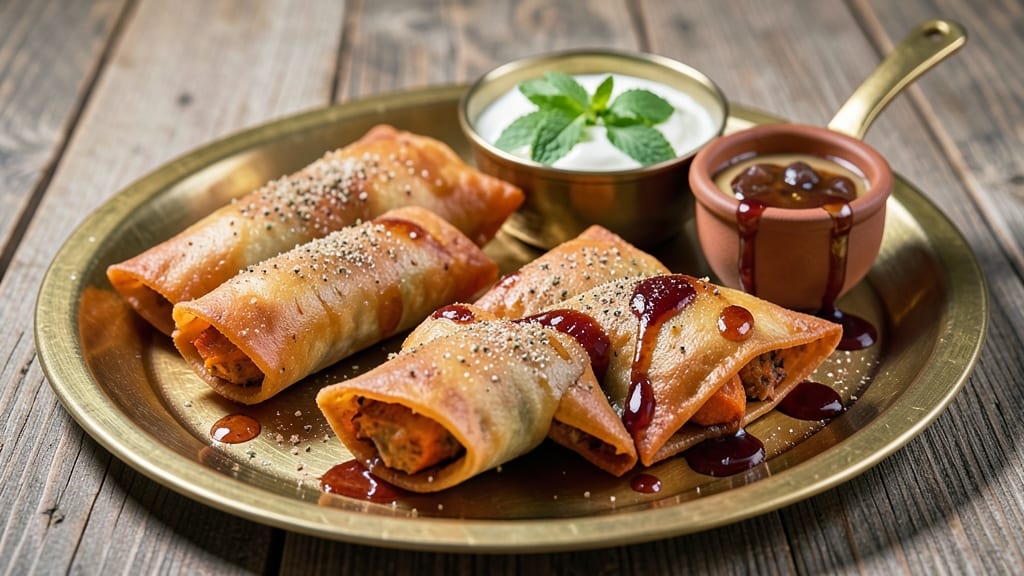
This sweet potato samosa recipe delivers the perfect fusion of crispy layers and aromatic spiced filling—transforming a classic street food staple into a restaurant-quality side dish.
The secret lies in a delicate balance: tender sweet potatoes simmered with warm spices, wrapped in a flaky, golden pastry that shatters at every bite. I've perfected this technique over years of testing, ensuring the filling stays moist while the crust achieves that coveted crunch.
The recipe begins with a simple yet sturdy dough that requires just flour, water, and a pinch of salt—no yeast or complicated steps. For the filling, roasted sweet potatoes meet cumin, coriander, and garam masala, creating a sweet-savory contrast that's both comforting and sophisticated.
What sets this apart is the two-stage frying method: first shaping the samosas, then achieving that signature crispiness without sacrificing the soft interior.
By the time you're done, you'll have samosas with layers that crackle when bitten into, revealing tender filling infused with warm spices. The aroma alone—spiced potatoes mingling with fried dough—will transport you to bustling Indian streets.
This recipe serves as both a vegetarian main or side, perfect for parties or weeknight meals when you crave something special.
While traditional samosas are deep-fried, I've included optional air-fryer and baked variations for those watching oil intake. The key to success remains the same: precise dough handling and controlled frying (or baking) to maintain that perfect texture balance. Let's create these golden, crispy delights together.
Ingredients for sweet potato samosa
Twelve ingredients, twelve golden bites of crispy perfection—transforming humble sweet potatoes into restaurant-worthy samosas.
| Ingredient | Amount | Notes |
|---|---|---|
| Large Sweet Potatoes 🍠 | 4 whole | Peeled, cubed into 1-inch pieces |
| All-Purpose Flour 🌾 | 4 cups | Plus 2 tbsp for shaping |
| Cold Water 💧 | 1 ½ cups | Chilled for dough |
| Garam Masala 🌶️ | 1 ½ tbsp | Freshly ground preferred |
| Ground Cumin 🌿 | 1 tbsp | Toasted for depth |
| Ground Coriander 🌿 | 1 tbsp | Freshly ground ideal |
| Turmeric Powder 🧂 | ½ tsp | Brightens filling |
| Salt 🧂 | 1 tsp | Kosher or sea salt |
| Vegetable Oil 🫒 | 3 cups | For frying, high smoke point |
| Lemon Juice 🍋 | 1 tbsp | Freshly squeezed |
| Ghee or Vegetable Oil 🫒 | 2 tbsp | For roasting sweet potatoes |
| Fresh Cilantro 🌿 | ¼ cup | Chopped, for garnish |
The sweet potatoes are the heart of this recipe—choose vibrant orange ones with no soft spots. Whole Foods or Trader Joe's carry the best varieties, but any grocery store's sweet potatoes work. Roast them until tender but not mushy; you want that perfect texture. For the spices, Penzeys or local Indian markets have the freshest garam masala and cumin, but the regular grocery store versions are fine if they're not ancient. Toast your spices in a dry pan for 30 seconds before adding to the potatoes—this brings out their natural oils and makes the filling sing. I always double-check my spices by smelling them: if they don't smell vibrant, toss them and buy fresh.
No garam masala? Mix 1/2 tsp each of cinnamon, cardamom, cloves, and black pepper—it's not identical but gets you close. Running out of turmeric? Curry powder at half the amount works in a pinch, though it has a slightly different flavor profile. For the dough, if you can't find all-purpose flour, bread flour works too—just add 1/4 tsp baking powder. The lemon juice is key for brightness; if you're out, white vinegar at half the amount does the trick. And if you're worried about the oil quantity, don't be—this recipe uses enough for perfect crispiness without being greasy. The two-stage frying is where the magic happens, so make sure your oil is hot enough (it should sizzle when you test with a small dough piece).
Store the dough between uses in an airtight container with a damp towel—keeps for 2 days. The filling can be prepped ahead and refrigerated for 3 days or frozen for 3 months. For the crispy finish, I recommend frying fresh, but you can bake them at 375°F for 20-25 minutes if you're avoiding oil. These reheat beautifully—just pop them in a 350°F oven for 5-10 minutes to revive that golden crunch. Make a big batch; they disappear faster than you think, especially when you're testing the perfect crispy-to-tender ratio.
Why You'll Love This Recipe
- No Boil Required: I roast the sweet potatoes whole—just pierce, season with cumin and garam masala, and pop in the oven. Crispy skin, tender inside, and zero chopping. Honestly, this is the kind of shortcut that makes me want to cook more.
- Sweet Spice Magic: That garam masala and cumin blend? It’s the secret weapon here. The flour crust gets golden and shatteringly crisp, while the inside stays creamy and warmly spiced—like a hug in bite form. (Yes, even on a Tuesday night.)
- Lunchbox Hero: Between us, these keep beautifully for days. Pack a few in your lunch, and you’ve got a snack that’s way more exciting than sad desk leftovers. My kids actually ask for them—no bribes needed.
- Pantry Staple Power: Four ingredients, all of which you probably already have. No specialty items, no last-minute grocery runs. Budget-friendly? Absolutely. Reliable? You bet. This is the kind of recipe that turns "what’s for dinner?" into "let’s eat."
Step-by-step instructions for sweet potato samosa
Let's create golden, crispy samosas with a vibrant sweet potato filling that balances perfectly with the spiced dough.
Roast the Sweet Potato Filling
Preheat your oven to 400°F. Toss the peeled, cubed sweet potatoes with 2 tablespoons ghee or vegetable oil and spread them on a baking sheet in a single layer. Roast for 25-30 minutes until tender and golden brown—you'll know they're ready when a fork slides in easily.
Transfer the roasted sweet potatoes to a mixing bowl and let them cool slightly. Add 1.5 tablespoons garam masala, 1 tablespoon ground cumin, 1 tablespoon ground coriander, ½ teaspoon turmeric powder, and 1 teaspoon salt. Mix thoroughly, then stir in 1 tablespoon lemon juice—this brightens the flavors and balances the sweetness. Let the filling cool completely before using.
Prepare the Samosa Dough
In a large bowl, combine 4 cups all-purpose flour and 1 teaspoon salt. Gradually add 1.5 cups cold water, mixing with a wooden spoon until the dough comes together. Knead for 5-7 minutes until smooth and elastic. If it feels too dry, add 1 teaspoon water at a time—the dough should be soft but not sticky.
Wrap the dough in a clean kitchen towel and let it rest for 30 minutes. This resting period relaxes the gluten, making it easier to roll out thin and even. Divide the dough into 12 equal portions (about 1 ounce each) and roll each into a smooth ball. Keep them covered while you work.
Assemble and Shape the Samosas
Roll each dough ball into a 5-inch circle using a rolling pin, dusting lightly with flour to prevent sticking. Cut each circle in half diagonally to form two perfect triangles. Fold one triangle over the other to create a cone shape, pressing the edges firmly to seal. Use a fork to crimp the edges for extra strength—this prevents leaks during frying.
Fill each cone with about 1 tablespoon of the sweet potato mixture, leaving a ½-inch border at the top. Fold the top triangle over the filling and pinch the edges tightly to seal completely. Press the folded edges with your fingers to create a decorative pattern—this not only looks beautiful but also ensures the samosa holds its shape during frying.
Fry to Crispy Perfection
Heat 3 cups vegetable oil in a deep pot to 350°F—use a thermometer to monitor the temperature carefully. Fry the samosas in batches of 3-4 at a time, ensuring they don't overcrowd the pot. Fry for 3-4 minutes per side until golden brown and crispy—you'll see bubbles form as they cook, and the oil will shimmer around them.
Transfer the fried samosas to a paper towel-lined plate to drain excess oil. Sprinkle with ¼ cup chopped fresh cilantro while still warm for a burst of freshness. Serve immediately with tamarind chutney or mint yogurt sauce for dipping—each bite should deliver a perfect balance of crispy, spiced layers and sweet, tender filling.
Pro Tips For Making Sweet Potato Samosa
- BOIL ‘EM UNTIL SOFT: Sweet potatoes for samosas need to mash easily—no gritty surprises. Boil them whole (skin-on) in salted water until you can pierce them with a fork like butter. Overcooked? They’ll turn to mush; undercooked? You’ll be chewing forever. Aim for 20-25 minutes, then let them cool before mashing.
- GRATE, DON’T CHOP: Skip the knife for the filling—grate the boiled sweet potatoes on the largest holes of a box grater. It keeps the texture smooth and prevents that sad, gluey consistency when over-mixed. (Yes, even if your hands get tired—this is the thing that matters most.)
- CHILL THE DOUGH: Roll out the flour-water dough cold—wrap it in plastic and refrigerate for 30 minutes first. Warm dough stretches unevenly and tears when folding. Trust me, I’ve fought with sticky, temperamental samosa wrappers at 3 AM. Cold dough behaves.
- FRY IN BATCHES: Crowd the pan and your samosas will steam instead of crisp. Fry 2-3 at a time in enough oil to cover half the height of the samosa. Use a slotted spoon to turn them—golden in 3-4 minutes, not soggy in 5. (Your future self will thank you.)
Dietary considerations for this sweet potato samosa
Vegetarian-Friendly
This sweet potato samosa recipe is naturally vegetarian, making it perfect for plant-based diets or vegan adaptations. The filling relies entirely on roasted sweet potatoes and warm spices like garam masala and cumin, while the dough uses just flour, water, and salt.
For a vegan version, simply replace the ghee with vegetable oil and ensure your garam masala is certified vegan—many brands contain dairy. The result is a satisfying, protein-rich snack that rivals meat-filled versions. 🌱
Gluten-Free Adaptation
To make these samosas gluten-free, replace the all-purpose flour with a 1:1 gluten-free flour blend (I recommend Bob's Red Mill). Add ½ teaspoon xanthan gum to help bind the dough, as gluten-free flours lack natural elasticity.
For the filling, ensure all spices are certified gluten-free, as some blends contain wheat-based anti-caking agents. The texture will be slightly different but still delicious—just expect a marginally less crispy crust. 🌾
Low-Oil Options
For a lighter version, reduce the frying oil by ½ cup and use an instant-read thermometer to maintain 325°F instead of 350°F. This creates a balance between crispiness and oil content.
Alternatively, bake the samosas at 375°F for 20-25 minutes, brushing with 1 tablespoon oil before baking for a golden finish. The filling stays tender while the crust achieves a satisfying crunch without excessive grease. 💛
Spice Level Control
Adjust the heat to your preference by modifying the spice blend. For a milder version, reduce the garam masala to 1 teaspoon and omit the cayenne (if added). For extra kick, add ½ teaspoon cayenne pepper or a pinch of red chili powder to the filling.
Always taste the filling before assembling—this ensures the final product matches your desired spice level. 🌶️
Allergen Awareness
This recipe contains wheat (from flour) and may trace soy (if using vegetable oil from soybeans). For nut-free kitchens, ensure all spices and oils are processed in nut-free facilities. If making for someone with egg allergies, confirm your flour blend is egg-free.
Always double-check labels, as spice blends sometimes contain hidden allergens. When in doubt, use single-ingredient spices for maximum control. 🧂
Nutritional Balance
Each samosa provides a mix of complex carbs from sweet potatoes, fiber from whole-wheat flour, and healthy fats from the oil. For added protein, sprinkle 1 tablespoon nutritional yeast on top before serving or add ¼ cup cooked lentils to the filling.
The lemon juice and fresh cilantro boost vitamin C, while turmeric adds anti-inflammatory benefits. This balanced combination makes it a satisfying snack that supports energy and digestion. ✨
Nutrition facts
Frequently asked questions
Can I use regular potatoes instead of sweet potatoes?
While you can substitute regular potatoes, the flavor and texture will differ significantly. Sweet potatoes provide a natural sweetness and creamier texture that pairs beautifully with the spiced filling. If you must use regular potatoes, roast them until very tender and add an extra ½ teaspoon sugar to mimic the sweetness of sweet potatoes. The crust will still be perfect, but the filling will taste more savory than sweet.
Why is my samosa dough cracking when frying? Dough cracks typically happen from one of two issues: either the oil isn't hot enough or the dough contains too much moisture. Ensure your oil reaches 350°F before frying, and let the dough rest for the full 30 minutes before rolling. If your kitchen is humid, reduce the water by 1 tablespoon when making the dough. Also,
How do I prevent the filling from leaking during frying?
The key is proper sealing and filling technique. First, ensure you're using about 1 tablespoon of filling per samosa, leaving a ½-inch border at the top. Press the folded edges firmly with your fingers to create a tight seal, then use a fork to crimp the edges for extra strength. If filling leaks during frying, it's usually because the edges weren't sealed tightly enough. Work quickly but carefully to maintain the shape while keeping the filling contained.
Can I make these samosas ahead of time?
The dough can be made 2 days ahead and stored in an airtight container with a damp towel. The filling can be prepped 3 days ahead and refrigerated, or frozen for 3 months. For the best results, fry or bake the samosas fresh, but if you need to store them, keep them in an airtight container at room temperature for up to 1 day. To reheat, pop them in a 350°F oven for 5-10 minutes to restore that crispy texture.
What's the best way to serve sweet potato samosas?
These samosas shine when served with cooling accompaniments that balance their richness. Try tamarind chutney or mint yogurt sauce for dipping, which cuts through the oil and adds a tangy contrast. A simple cucumber raita or onion salad also works beautifully. For a complete meal, pair them with basmati rice or a fresh mango lassi. The crispy, spiced layers are perfect for sharing—just be prepared for them to disappear quickly!