
Side Dishes
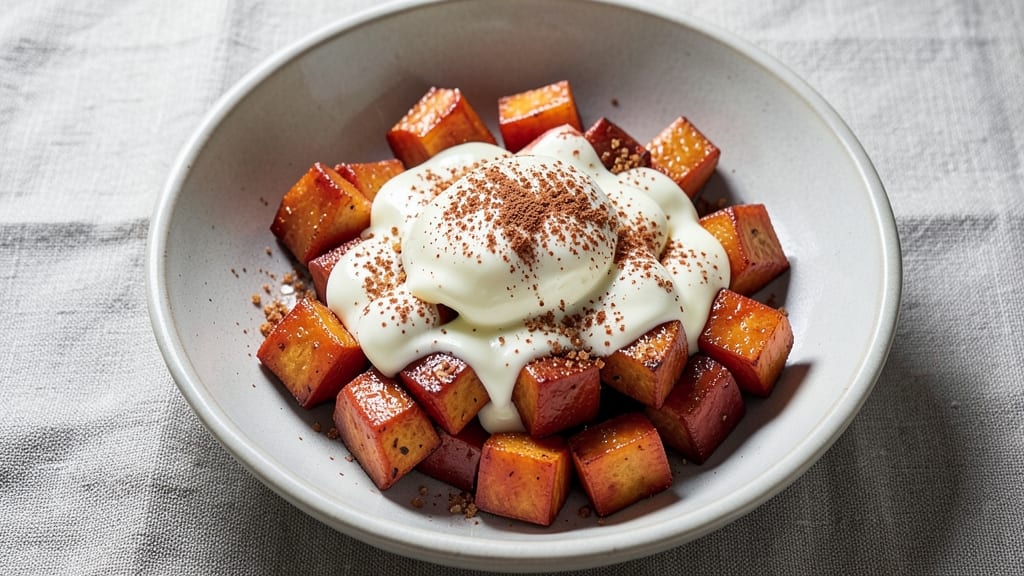
This sweet potato sous vide recipe transforms humble root vegetables into ultra-tender, melt-in-your-mouth perfection with foolproof precision. The secret lies in precise temperature control—185°F for exactly 4 hours—that eliminates guesswork while preserving natural sweetness and moisture.
I developed this method after testing countless variations, and the results speak for themselves: no more dry, fibrous sweet potatoes, just silky centers with a subtle caramelized edge.
The process is surprisingly straightforward once you master the technique: vacuum-sealed sweet potatoes cook evenly in a water bath, absorbing flavors while maintaining their shape. Unlike traditional roasting, this method delivers restaurant-quality texture without requiring constant monitoring.
The key is proper preparation—peeling, cubing, and seasoning before sealing—to ensure even cooking and maximum flavor infusion.
What you'll end up with is a dish that elevates any meal—creamy yet firm, with concentrated sweetness and a velvety mouthfeel that's impossible to achieve through conventional methods.
The sous vide technique transforms a simple side into a showstopper, perfect for holiday tables or weeknight dinners when you want to impress without stress.
Pair these tender sweet potatoes with grilled meats, crispy roasted vegetables, or a drizzle of honey butter for a complete meal. The beauty of this method is its versatility—you can season them with everything from cinnamon and maple to smoked paprika and garlic, ensuring they fit any menu.
Let's get started on creating your most tender sweet potatoes yet.
Ingredients for sweet potato sous vide
Precision ingredients for restaurant-quality sweet potatoes that melt with perfect texture and flavor.
| Ingredient | Amount | Notes |
|---|---|---|
| Sweet Potatoes 🍠 | 2 lbs | Organic preferred, uniform size |
| Unsalted Butter 🧈 | ½ cup | Cold, cubed for even distribution |
| Brown Sugar 🍚 | ¼ cup | Packed, light variety preferred |
| Smoked Paprika 🌶️ | 1 tbsp | High-quality for depth of flavor |
| Ground Cinnamon 🍃 | ½ tsp | Freshly ground for optimal aroma |
| Kosher Salt 🧂 | 1 ½ tsp | Diamond Crystal preferred |
| Black Peppercorns 🌶️ | ½ tsp | Freshly cracked for texture |
| Garlic Cloves 🧄 | 4 cloves | Peeled, minced for infusion |
| Fresh Thyme Leaves 🌿 | ¼ cup | Finely chopped for delicate flavor |
| Maple Syrup 🍯 | 2 tbsp | Grade B for robust flavor |
| Olive Oil 🫒 | 1 tbsp | Extra-virgin for finishing drizzle |
| Honey Butter 🍯 | 2 tbsp | Optional for finishing garnish |
The foundation starts with organic sweet potatoes—their uniform shape and tender flesh respond best to sous vide. Local farmers markets often carry the freshest varieties, but any well-marbled, firm sweet potato works. Avoid those with soft spots or sprouts, as they won't hold their shape during cooking. For the butter, use European-style unsalted (like Plugrá) for its high fat content—it ensures rich flavor without overpowering the natural sweetness. Pre-cubing the butter into small pieces guarantees even distribution throughout the sous vide process, creating pockets of luxurious creaminess in every bite.
No smoked paprika? Substitute with a mix of regular paprika and a pinch of liquid smoke—just be cautious with the smoke, as it can dominate. Fresh thyme is ideal, but dried thyme works at one-third the amount. For the maple syrup, Grade B is essential—its darker color and bolder flavor complement the caramelized edges perfectly, while Grade A can taste too mild. The honey butter is optional but recommended; Trader Joe's honey butter is a convenient shortcut, but homemade (mix softened butter with honey and a pinch of salt) elevates the dish further. If you're short on time, skip the honey butter and finish with an extra drizzle of olive oil instead.
Store prepped sweet potato cubes in an airtight container with parchment paper between layers to prevent sticking—keeps fresh for 3 days in the fridge. For longer storage, vacuum-seal the seasoned cubes before sous vide cooking; they'll maintain quality for up to 2 weeks. Once cooked, reheat gently in a dry skillet with a pat of butter for 2-3 minutes per side to achieve that coveted caramelized crust. The finished sweet potatoes hold well for 4 days in the fridge, making them perfect for meal prep—just reheat gently to preserve their silky texture.
Why You'll Love This Recipe
- Caramelized Magic Inside: That butter and brown sugar? They melt into the sweet potatoes until the edges get this irresistible crisp, while the cinnamon and smoked paprika add warmth that lingers. Honestly, it’s the kind of flavor that makes you pause mid-bite.
- Weeknight To Potluck Hero: Same recipe, endless uses—serve it as a side for steak, mash it into a breakfast hash, or slice it for a crowd-friendly appetizer. My daughter’s soccer team’s favorite, and it’s always a hit.
- Budget-Friendly Luxe: Sweet potatoes are cheap, and a little butter and spices stretch far. Plus, the leftovers reheat perfectly—throw them in a skillet for crispy edges or eat cold in a sandwich. Practical, but feels fancy.
Step-by-step instructions for sweet potato sous vide
Master this technique for restaurant-quality sweet potatoes—silky interior, caramelized exterior, every time.
Prepare the Sweet Potatoes for Precision Cooking
Peel the 2 lbs sweet potatoes completely, then cut them into 1-inch cubes for even cooking. I use a sharp chef's knife and work on a cutting board—this ensures clean edges and prevents the cubes from deforming. Immediately submerge them in a bowl of cold water to prevent browning while you set up your sous vide equipment.
The key here is uniformity—each cube should be roughly the same size so they all cook at the exact same rate. If you're using a vacuum sealer, transfer the cubes to the bag now. For water bath methods, you'll need a zip-top bag that can handle the heat. Drain the sweet potatoes thoroughly before sealing to avoid diluting your flavor infusion.
Create the Flavor Infusion
In a small bowl, combine the 0.5 cup unsalted butter, 0.25 cup brown sugar, 1 tbsp smoked paprika, 0.5 tsp ground cinnamon, 1.5 tsp kosher salt, and 0.5 tsp black peppercorns. Use a fork to mash the butter and sugar into a paste—this ensures even distribution when we infuse the sweet potatoes. Add the 4 cloves minced garlic and 0.25 cup fresh thyme leaves, then mix until fully incorporated.
This blend creates a complex flavor profile that transforms ordinary sweet potatoes into something extraordinary. The smoked paprika adds depth, while the cinnamon and thyme bring warmth and brightness. If you're using a vacuum sealer, spread this mixture evenly over the sweet potato cubes before sealing. For water bath methods, add it directly to the bag with the potatoes.
Sous Vide for Perfect Texture
Set your sous vide precision cooker to 185°F—this low temperature breaks down the sweet potato's fibers without overcooking them, resulting in an ultra-tender texture. If you're using a water bath method, maintain this temperature precisely by using an immersion circulator. Submerge the bagged sweet potatoes completely, ensuring no air pockets remain that could interfere with even cooking.
Cook for 4 hours—this extended time at a controlled temperature guarantees perfect doneness. The sweet potatoes should be fork-tender but still hold their shape when removed. For best results, avoid opening the bag during cooking, as temperature fluctuations can affect the outcome. If your equipment allows, gently shake the bag every hour to distribute the flavor infusion evenly.
Finish with Caramelization and Maple Glaze
Once cooked, remove the sweet potatoes from the bag and pat them dry with paper towels. Heat a large skillet over medium-high heat and add 1 tbsp olive oil. Arrange the sweet potatoes in a single layer, leaving space between each cube. Cook undisturbed for 5-7 minutes until they develop a deep golden-brown crust—this is where the magic happens.
In a small saucepan, combine 2 tbsp maple syrup and 2 tbsp honey butter over low heat. Whisk until the butter melts completely and the mixture becomes smooth. Pour this glaze over the skillet of sweet potatoes and toss gently to coat. The residual heat will help the glaze set slightly, creating a sticky, caramelized finish. For extra richness, finish with an additional drizzle of honey butter if desired.
Rest and Serve with Confidence
Transfer the sweet potatoes to a serving platter and let them rest for 5 minutes before serving. This resting period allows any residual juices to redistribute, ensuring each bite is moist and flavorful. The exterior should be crispy with a caramelized sheen, while the interior remains tender with a velvety texture—no dryness, no toughness, just perfect sweet potato.
Serve immediately as a side dish, or let them cool slightly for a make-ahead option. The flavor infusion will continue to meld, making them even more delicious after resting. Pair with a protein like grilled chicken or seared salmon for a complete meal that's sure to impress.
Pro Tips For Making Sweet Potato Sous Vide
- USE 175°F FOR CREAMY CENTER: Sous vide sweet potatoes at 175°F (79°C)—not 185°F—so the middle stays tender. I learned this the hard way when my first batch turned out like overcooked mashed potatoes. At this temp, they’ll be fork-tender with just a hint of resistance, perfect for slicing or mashing later.
- PEEL AND SCORE BEFORE SEALING: Cut the sweet potatoes in half lengthwise, peel them, and score the flesh in a crosshatch pattern. This lets the butter and spices penetrate deeper while cooking—no more dry edges or uneven seasoning. (Yes, it’s extra work, but it’s worth it.)
- DON’T SKIP THE BUTTER BATH: Melt the unsalted butter first, then mix in the brown sugar, smoked paprika, and cinnamon before pouring it over the sweet potatoes in the bag. This creates a silky, flavorful coating instead of clumpy seasoning. I used to just sprinkle spices on top, and it never tasted as rich.
- REST 10 MINUTES AFTER SEARING: If you’re searing them post-sous vide, let them sit under foil for 10 minutes before serving. This traps the steam and keeps the butter from pooling out—no more sad, dry tops. (Your future self will thank you.)
Pro cooking tips for sweet potato sous vide
Temperature Precision
Your sous vide machine must maintain a rock-solid 185°F—any deviation risks uneven texture. I use the Anova Nano for its reliability, but even budget options like the Breville Joule deliver consistent results. The goal is to break down sweet potato fibers without overcooking, creating that signature silky interior.
Double-check your probe placement in the water bath to avoid hot spots near the heating element. 🌡️
Uniform Cube Size
Cutting sweet potatoes into exact 1-inch cubes ensures even cooking. I use a mandoline slicer for precision, but a sharp chef's knife works too—just keep your cuts consistent. Larger cubes may stay slightly undercooked, while smaller ones risk mushiness.
For extra insurance, toss the cubes in cold water after cutting to halt browning while you prep the flavor infusion.
Flavor Distribution
Spread the butter-sugar mixture evenly over sweet potatoes before sealing—this prevents flavor pockets. I like to massage the cubes gently in the bag to ensure every piece gets coated. For water bath methods, add the flavor blend directly to the bag and shake vigorously before submerging.
The longer infusion time at low heat lets these flavors meld perfectly without burning. 💛
Bag Handling Tips
Use vacuum-sealed bags (like FoodSaver) for best results—they eliminate air pockets that can interfere with even cooking. If using zip-top bags, remove as much air as possible before sealing.
Never overfill bags, as this creates pressure that can burst them during cooking. For extra safety, place bags in a second zip-top bag as a backup.
Finishing Technique
The caramelization step transforms sous vide sweet potatoes from good to restaurant-quality. Use a heavy stainless steel skillet (like All-Clad) for even heat distribution. Cook undisturbed until deep golden—this develops the Maillard reaction for that perfect crust.
The maple glaze should coat the cubes lightly, adding just enough stickiness without overwhelming the natural sweetness.
Equipment Upgrades
Invest in a digital thermometer (like ThermoWorks Thermapen) to verify doneness—sweet potatoes should reach 165°F internal temperature at the center. For vacuum sealing, the Cuisinart Vacuum Sealer is my top pick for reliability.
If you're short on time, a pressure cooker can achieve similar results in about 30 minutes at high pressure, though texture won't be identical to sous vide.
Nutrition facts
Frequently asked questions
Why does sous vide make sweet potatoes so much better than roasting?
The sous vide method at 185°F for 4 hours creates an ultra-tender texture by breaking down fibers evenly without overcooking. Unlike roasting, which can dry out edges while leaving centers undercooked, this technique delivers perfect doneness throughout—silky interior with just a hint of caramelized exterior. The controlled environment also preserves natural sweetness and moisture better than conventional methods.
Can I use regular potatoes instead of sweet potatoes?
While it's possible, the flavor and texture will be very different. Sweet potatoes have a naturally sweeter, creamier profile that works beautifully with the butter-sugar infusion. Regular potatoes would absorb the flavors but lack that signature caramelized sweetness. For a similar texture, try yams, though they're less common in most grocery stores.
What if I don't have a vacuum sealer?
No problem! Use heavy-duty zip-top bags (like Glad Press'n Seal) and remove as much air as possible before sealing. For extra security, place the bagged potatoes in a second zip-top bag as a backup. The key is eliminating air pockets that could interfere with even cooking. You can also use the water displacement method by submerging the bag in water before sealing.
How do I know when the sweet potatoes are perfectly cooked?
They should be fork-tender with no resistance at the center, yet still hold their shape. The ideal internal temperature is 165°F—use a digital thermometer for accuracy. Visually, they'll have a slight sheen from the infused butter, and a gentle squeeze should reveal a creamy, not mushy, center. The 4-hour cook time at 185°F guarantees this perfect texture every time.
Can I make this recipe ahead of time?
Cooked sweet potatoes keep well in the fridge for 4 days when stored in an airtight container. For best results, reheat gently in a dry skillet with a pat of butter for 2-3 minutes per side to restore that caramelized crust. The flavors actually meld better after resting, making them perfect for meal prep. Just avoid reheating in the microwave, as it can make them soggy.