
Side Dishes
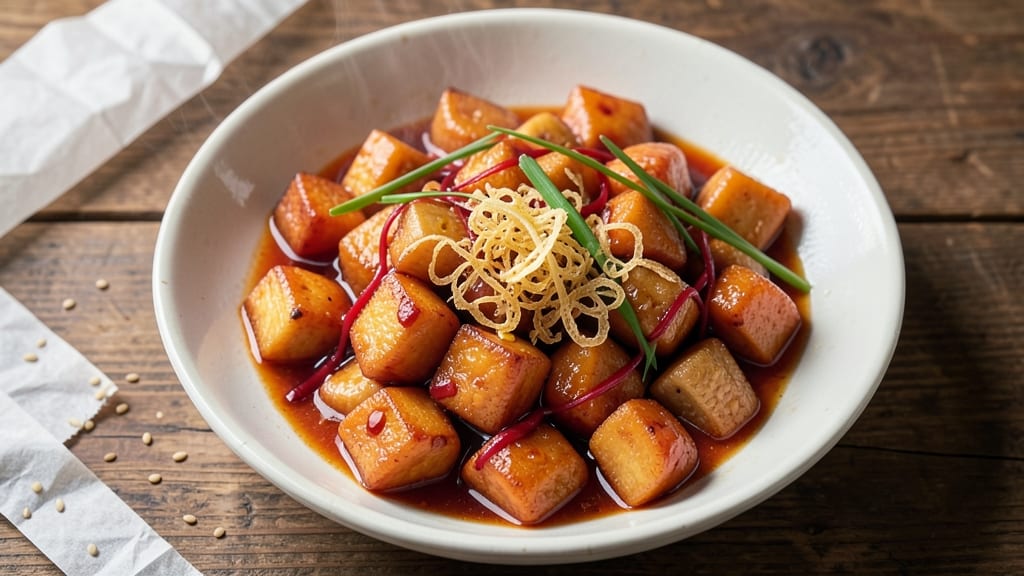
This sweet potato tteokbokki recipe transforms the classic Korean street food into a vibrant, spicy-sweet dish that balances earthy sweet potatoes with bold gochujang flavors. The secret lies in perfectly cooked sweet potato cubes—tender yet holding their shape—that absorb the tangy, slightly sweet sauce while keeping their natural texture.
I developed this version after realizing how well sweet potatoes complement the chewy rice cakes, adding a subtle sweetness that rounds out the heat.
The process is straightforward: boil or steam the sweet potatoes until fork-tender, then assemble everything in one pot with fermented rice cakes, gochujang, and a touch of sugar to balance the spice.
What makes this different is the way the sweet potatoes soak up the sauce while staying intact—no mushy textures here. The result is a dish that’s both comforting and exciting, with layers of flavor in every bite that’ll have you reaching for seconds.
By the time you’re done, you’ll have a steaming bowl of spicy-sweet tteokbokki where the sweet potatoes add a satisfying heartiness to the chewy rice cakes. The sauce clings to everything, creating a perfect harmony of heat, sweetness, and umami.
This recipe delivers restaurant-quality results in just 30 minutes, making it ideal for weeknight dinners or meal prep.
Serve it with a side of kimchi or a fried egg on top for extra richness. The versatility of this dish means it works as a main or side, and the flavors only deepen as it sits—perfect for leftovers. Let’s get cooking!
Ingredients for sweet potato tteokbokki
Sweet potatoes and chewy rice cakes meet bold gochujang for this vibrant, restaurant-style dish.
| Ingredient | Amount | Notes |
|---|---|---|
| Sweet Potatoes 🍠 | 2 lb | Medium, peeled, cut into 1-inch cubes |
| Fermented Rice Cakes (Tteokbokki) 🍡 | 14 oz | Store-bought or homemade, chewy texture |
| Gochujang (Korean Red Chili Paste) 🌶️ | ½ cup | High-quality, smooth texture preferred |
| Soy Sauce 🥫 | ¼ cup | Korean or Japanese preferred |
| Rice Vinegar 🍶 | ¼ cup | White or seasoned vinegar |
| Sugar 🍚 | ¼ cup | White or brown sugar |
| Sesame Oil 🌱 | 1 tbsp | Toasted sesame oil preferred |
| Garlic Cloves 🧄 | 6 cloves | Minced, for extra flavor |
| Green Onions 🧅 | ¼ cup | Sliced, for garnish |
| Vegetable Oil 🫒 | 1 tbsp | For stir-frying |
| Salt 🧂 | 1 tsp | Kosher or sea salt |
| Black Pepper 🌶️ | ½ tsp | Freshly ground preferred |
| Water 💧 | 2 cups | For boiling sweet potatoes |
| Sesame Seeds 🌿 | 1 tbsp | Toasted, for garnish |
The sweet potatoes are the star here—pick firm, medium-sized ones with smooth skin for even cooking. Trader Joe's or Korean markets often carry the best quality, but any grocery store's organic section works. Peeled and cubed, they should be about 1-inch pieces—big enough to hold shape but small enough to soak up the sauce. If you're short on time, microwave them first for 5 minutes to speed up boiling. For the rice cakes, Korean grocery stores have the best selection, but any package labeled 'tteokbokki' at Asian markets will do. Avoid the pre-cooked ones—they're mushy and lack texture.
No gochujang? Mix 2 tbsp sriracha with 1 tbsp tomato paste for a quick substitute, though it won't be as complex. The rice vinegar can be swapped for apple cider vinegar in a pinch, but the flavor won't be identical. Short on sesame oil? Toast regular sesame seeds in a dry pan first and grind them into the sauce for a similar aroma. The garlic can be pre-minced from a jar if you're in a hurry, but fresh is always better. For extra richness, stir in 1 tbsp of miso paste when assembling the sauce—it adds umami depth that balances the heat.
This dish tastes even better the next day as the flavors meld. Store leftovers in an airtight container in the fridge for up to 5 days. For freezing, portion into single servings and reheat with a splash of water to restore moisture. The sauce thickens as it cools, so add a little water when reheating if it seems too stiff. Garnish with extra sesame seeds and green onions before serving—they add freshness and visual appeal. If you're meal prepping, cook the sweet potatoes ahead and store them separately to prevent sogginess.
Why You'll Love This Recipe
- Sweet Potato Shortcut: I swear by this when I’m too tired to peel and slice. Toss in pre-cooked sweet potato cubes—no chopping, no mess—just stir-fry until tender. The gochujang does all the flavor work while I’m scrolling through my phone.
- Spicy-Sweet Magic: That balance of caramelized sweet potatoes and funky fermented rice cakes? Chef’s kiss. The gochujang’s heat mellows into something rich, while the rice vinegar brightens it up—like a hug for your taste buds. Honestly, I make this just to eat it straight from the pan.
- Lunchbox Hero: Between us, this is my go-to for meal prep. The sauce clings to everything, so it reheats like a dream—no soggy rice cakes here. Pack it in bento boxes or thermoses, and it’s still delicious hours later. My kids fight over who gets the extra piece.
- Budget Glow-Up: Sweet potatoes and rice cakes stretch this dish for a crowd without breaking the bank. A single jar of gochujang and a bag of pre-cooked tteokbokki turn cheap staples into something that feels fancy. (Yes, even on a Tuesday night.) Plus, leftovers taste better the next day—trust the sauce.
Step-by-step instructions for sweet potato tteokbokki
Here's how to blend spicy Korean flavors with sweet potato for a comforting, quick dish.
Boil the Sweet Potatoes Until Fork-Tender
Place the 2 lb sweet potatoes in a large pot and add the 2 cups water. Bring to a boil over medium-high heat and cook for 12-15 minutes until the sweet potatoes are fork-tender and easily pierced. The cubes should soften but still hold their shape—overcooking turns them mushy.
Drain the sweet potatoes in a colander and set aside. I like to give them a quick rinse under cold water to stop the cooking process immediately. This prevents them from becoming gummy when we stir-fry later. The warm sweet potatoes will absorb the sauce beautifully, adding natural sweetness that balances the spicy kick of the tteokbokki.
Prepare the Spicy-Sweet Sauce Base
In a large bowl, combine the 0.5 cup gochujang, 0.25 cup soy sauce, 0.25 cup rice vinegar, 0.25 cup sugar, 1 tablespoon sesame oil, 6 cloves minced garlic, 1 teaspoon salt, and 0.5 teaspoon black pepper. Whisk vigorously until the sugar dissolves completely and the mixture becomes smooth.
This sauce is the heart of your dish—where the spicy, sweet, and umami flavors meld together. Taste as you go and adjust the sugar if you prefer it sweeter or add a pinch more gochujang for extra heat. The sauce should coat the back of a spoon with a glossy sheen, indicating it's ready for the rice cakes and sweet potatoes.
Stir-Fry the Rice Cakes and Sweet Potatoes
Heat 1 tablespoon vegetable oil in a large skillet or wok over medium-high heat until shimmering. Add the 14 oz fermented rice cakes and stir-fry for 2-3 minutes until they begin to soften slightly but still maintain their chewy texture. Don't overcrowd the pan—work in batches if needed to prevent steaming.
Add the cooked sweet potatoes to the skillet and pour the sauce over them. Stir well to coat everything evenly. The mixture should sizzle and bubble as the sauce reduces slightly. Cook for 5-7 minutes until the sweet potatoes are heated through and the sauce thickens to a glossy consistency. The rice cakes should be tender but still hold their shape—this is key to authentic tteokbokki texture.
Finish with Aromatics and Garnish
Remove the skillet from heat and stir in the 0.25 cup sliced green onions. Let the dish sit for 1-2 minutes to allow the flavors to meld together. The green onions add a fresh contrast to the rich, spicy-sweet sauce. Taste again and adjust seasoning if needed—sometimes the sweet potatoes need a touch more salt to balance the flavors.
To serve, transfer the tteokbokki to a large bowl or individual plates. Garnish with 1 tablespoon toasted sesame seeds and an extra sprinkle of green onions. The sesame seeds add a nutty finish that ties all the flavors together. Serve immediately while hot, with steamed rice on the side if desired—this helps soak up the delicious sauce.
Pro Tips For Making Sweet Potato Tteokbokki
- CUT SWEET POTATO INTO SLICES: Sweet potatoes hold moisture like a sponge, and if you cube them, they’ll turn to mush in the sauce. Thin half-moons (¼-inch thick) cook faster and soak up the gochujang without falling apart—just don’t skip the parboil first, or they’ll stay raw in the center.
- STIR THE GOCHUJANG FIRST: Mix gochujang with a splash of water or vinegar before adding it to the pot. This smooths out the paste’s graininess and prevents clumps that turn your tteokbokki into a lumpy mess. I learned this the hard way after scraping stuck-on paste off my pan for the third time.
- DON’T BOIL THE RICE CAKES DRY: Tteokbokki need a quick dip in boiling water (30 seconds max) to soften their edges, but overdoing it makes them mushy. Use a slotted spoon to lift them out immediately—any longer, and you’ll end up with a gluey, sad pile instead of chewy bites.
- SWEAT THE AROMATICS LOW: Sauté garlic and onions in oil until they’re just turning golden, not brown. High heat burns them fast, and you’ll taste bitter ash instead of sweet, nutty depth. Keep the heat at medium-low and give them 3–4 minutes—your sauce will thank you later.
Best sauces and condiments for sweet potato tteokbokki
Classic Gochujang Sauce
The heart of your sweet potato tteokbokki is the gochujang sauce, where the 0.5 cup gochujang (Korean chili paste) meets 0.25 cup soy sauce and 0.25 cup rice vinegar for a perfect balance of spicy, sweet, and umami.
I recommend using Maesil Gochujang for its smooth texture and authentic flavor. The 0.25 cup sugar (white or brown) is key—it caramelizes slightly when cooked, deepening the sauce’s complexity. Don’t skip the 1 tbsp sesame oil—it adds a nutty aroma that elevates everything.
For extra depth, stir in 1 tbsp of miso paste if you love umami. 🌶️
Sweet Potato Glaze
For a sweeter, glossier finish, reduce the sauce slightly before adding the sweet potatoes. Simmer the gochujang mixture over low heat for 3-4 minutes until it thickens to a syrupy consistency. This creates a sticky glaze that coats the sweet potatoes perfectly, enhancing their natural sweetness.
If you prefer a thicker sauce, add 1 tsp cornstarch mixed with 1 tbsp water and stir until it reaches your desired consistency. The result? Sweet potatoes that are tender yet hold their shape, soaking up the sauce like little flavor sponges. 🍠
Spicy Mayo Twist
Want to kick things up a notch? Stir 2 tbsp of spicy mayo (like Hellmann’s Spicy Sriracha) into the sauce just before serving. The creamy texture contrasts beautifully with the chewy rice cakes and tender sweet potatoes, adding a cool, tangy element that balances the heat.
For extra richness, top with crumbled bacon or fried shallots. This variation is a crowd-pleaser—especially if you have picky eaters who shy away from spice. The mayo also helps bind the sauce, making it extra glossy and clingy. 💛
Kimchi-Infused Sauce
Add 0.5 cup finely chopped kimchi (plus 1 tbsp of its juice) to the sauce while it simmers. The tangy, fermented flavors of the kimchi cut through the sweetness of the sweet potatoes and add a funky depth that’s pure comfort food.
For best results, use homemade kimchi—it’s more flavorful than store-bought. If you’re short on time, quick-pickled radishes work in a pinch. The kimchi also adds a pop of color, making your tteokbokki look as vibrant as it tastes. ✨
Sesame-Ginger Drizzle
For a finishing touch, whip up a quick sesame-ginger drizzle by blending 2 tbsp toasted sesame oil, 1 tbsp soy sauce, 1 tbsp honey, and 1 tsp grated ginger.
Drizzle this over the tteokbokki just before serving—it adds a bright, aromatic contrast to the rich, spicy-sweet flavors. This drizzle also works as a dipping sauce if you prefer to serve the tteokbokki dry. The ginger adds a zesty kick, while the honey keeps the sweetness in check. 🌿
Extra Cheesy Option
If you love cheese, sprinkle 0.5 cup shredded mozzarella or cheddar over the tteokbokki in the last 2 minutes of cooking. The cheese melts into a creamy, gooey blanket that ties everything together.
For a Korean-inspired twist, use shredded halloumi—it holds its shape and adds a salty, caramelized crust. This variation is perfect for serving with grilled cheese lovers or as a comfort food upgrade. The cheese also helps balance the heat, making it ideal for spice-sensitive eaters. 🧀
Nutrition facts
Frequently asked questions
Can I substitute regular potatoes for sweet potatoes?
While you can use regular potatoes, sweet potatoes add a natural sweetness and creamy texture that balances the spicy-sweet sauce beautifully. For a similar effect, try purple sweet potatoes or yams, which hold their shape better than russets. If using regular potatoes, reduce the sugar in the sauce by 1 tablespoon since they're less sweet.
How do I make this less spicy?
Reduce the gochujang to 0.25 cup and add 1 extra tablespoon of sugar to balance the heat. For a milder version, stir in 1 tablespoon of honey or maple syrup at the end. If you prefer a creamy texture, mix 1 tablespoon of mayo into the sauce—it cools the spice while adding richness.
Can I make this ahead of time?
Cook the sweet potatoes and sauce separately, then refrigerate in airtight containers for up to 3 days. Reheat gently with a splash of water to restore moisture. For best texture, assemble and reheat just before serving—this keeps the rice cakes chewy rather than mushy.
What's the best way to store leftover tteokbokki?
Store in an airtight container in the fridge for 4-5 days. For freezing, portion into single servings and reheat with 1 tablespoon of water per serving to prevent drying. The sauce thickens when chilled, so add a little water when reheating if needed. Avoid freezing with cheese or mayo—it can separate.
Why did my rice cakes turn mushy?
Overcooking is the most common cause—rice cakes should cook for just 2-3 minutes in the skillet. Also, avoid using pre-cooked or soft rice cakes—they break down faster. For extra chewiness, use smaller rice cakes (like tteokbokki-sized) and cook them at medium-high heat rather than low.