
Side Dishes
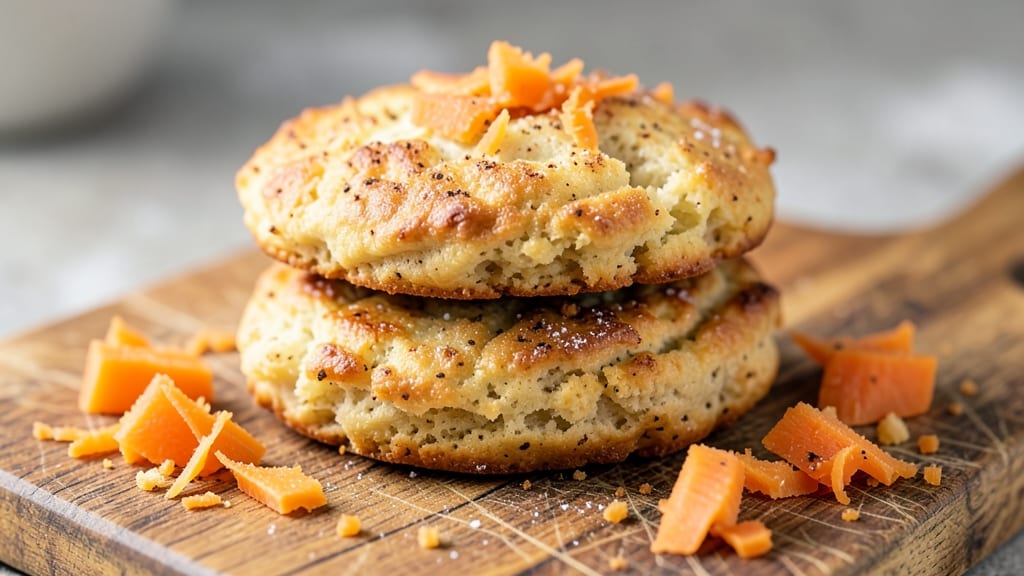
Thomas Jefferson’s sweet potato biscuits bring history to your table with their crispy crust and warm, spiced sweetness—just as they would have been served at Monticello.
This recipe captures the essence of early American baking, where sweet potatoes were a staple ingredient, transformed into golden, flaky biscuits that pair perfectly with butter or gravy. The key lies in the dough’s texture: tender yet sturdy enough to hold its shape while baking to a golden brown.
What sets these biscuits apart is the balance of flavors—sweet from the potatoes, warmth from spices like cinnamon and nutmeg, and a touch of tang from buttermilk to keep the dough light.
Unlike modern biscuits, Jefferson’s version relies on a simpler method: no yeast, no fuss, just a well-mixed dough cut into rounds and baked until the edges are crispy and the centers remain soft. The result is a side dish that feels both nostalgic and utterly satisfying.
These biscuits are perfect for a Southern-style meal, served alongside roasted meats or as a complement to hearty stews. The aroma of baking sweet potatoes fills the kitchen, while the texture—crispy on the outside, tender within—makes every bite worth the effort.
Whether you’re recreating a piece of history or simply craving a classic comfort food, this recipe delivers.
Ready in just 30 minutes, these biscuits are ideal for weeknight dinners or special occasions. The dough comes together quickly, and the baking process is straightforward, ensuring you’ll have warm, golden biscuits ready to serve without the stress.
Pair them with honey butter or a drizzle of maple syrup for an extra touch of indulgence.
Ingredients for thomas jefferson sweet potato biscuits
Sweet potatoes, flour, and spices come together for biscuits as crispy as Jefferson’s Monticello kitchen.
| Ingredient | Amount | Notes |
|---|---|---|
| Sweet Potatoes 🍠 | 1 ½ lb | Medium, peeled and grated |
| All-Purpose Flour 🌾 | 3 cups | Sifted, plus extra for dusting |
| Baking Powder 🍞 | 1 tbsp | Diamond Crystal preferred |
| Salt 🧂 | 1 tsp | Kosher or sea salt |
| Ground Cinnamon 🌿 | 1 tsp | Freshly ground preferred |
| Ground Nutmeg 🌿 | ½ tsp | Freshly grated nutmeg |
| Buttermilk 🥛 | 1 cup | Full-fat for best flavor |
| Unsalted Butter 🧈 | ½ cup | Cold, cubed for dough |
| Granulated Sugar 🍚 | 2 tbsp | Light brown preferred |
The sweet potatoes are the heart of these biscuits—choose firm, vibrant orange ones from the produce section. Whole Foods or local farmers markets often carry the sweetest varieties. Grate them yourself for the best texture; pre-shredded tends to be waterlogged. If you can’t find fresh nutmeg, mace works in a pinch, though it’s subtly different. For the flour, King Arthur or Gold Medal brands are my go-tos—they bake consistently. The buttermilk should be cold (pop it in the fridge for 15 minutes if it’s warm) to prevent the butter from melting too soon.
No buttermilk? Mix 1 cup milk with 1 tbsp lemon juice or vinegar and let it sit for 5 minutes. Substituting regular milk won’t give you the same tangy lift. The baking powder is non-negotiable—Diamond Crystal has more lift than aluminum-free brands. For a deeper spice profile, add ½ tsp allspice or cardamom. If you’re short on time, instant mashed sweet potatoes (like Libby’s) work in a bind, but fresh is always better. The sugar adds just enough sweetness to balance the earthy potatoes—don’t skip it, even if you’re not sweet-toothed.
These biscuits are best served fresh from the oven, but they’ll keep 2 days wrapped in foil at room temperature or 3 days in the fridge. For longer storage, freeze the shaped rounds (before baking) on a tray, then transfer to a bag for up to 3 months. Reheat in a 350°F oven for 5-7 minutes to restore crispiness. Pro tip: Brush warm biscuits with melted butter and sprinkle with flaky sea salt for a restaurant-worthy finish.
Why You'll Love This Recipe
- No Boil, No Peel: I roast the sweet potatoes whole with their skins on—just a 45-minute oven set-and-forget. That crispy skin? You eat it right off the plate. No peeling, no chopping, no mess.
- Warm Spice Magic: That ground cinnamon in the dough? It’s the secret weapon—earthy from the roasted sweet potato, then this cozy, almost-butter-like warmth hits you with every bite. Honestly, it’s the kind of flavor that makes you pause mid-meal.
- Breakfast or Snack: These biscuits are my lazy weekend mornings and my 3 p.m. sugar cravings. Toast one with peanut butter, or pile them high with scrambled eggs. Even my picky teen grabs them straight from the pan.
- Budget Baking Win: Sweet potatoes last forever, and flour and spices? Cheap staples. A single batch feeds my family for days—warm for breakfast, cold in lunchboxes, or reheated with a sprinkle of cinnamon sugar. Zero waste, all flavor.
Step-by-step instructions for Thomas Jefferson's sweet potato biscuits
Here's how to achieve that legendary crispy crust and tender interior Thomas Jefferson's biscuits were known for.
Roast the Sweet Potatoes Until Tender
Preheat your oven to 375°F. Peel and grate the 1.5 lb sweet potatoes using a box grater or food processor, then transfer to a clean kitchen towel to squeeze out all excess moisture. Spread the grated sweet potatoes evenly on a rimmed baking sheet and roast for 25-30 minutes, stirring halfway, until they're fork-tender and slightly caramelized.
This roasting step develops deep sweetness and removes moisture that would otherwise make your biscuits dense. You're looking for sweet potatoes that collapse easily when pierced with a fork but still hold their shape. Let them cool completely before proceeding—this prevents steam from developing in your dough.
Mix Dry Ingredients and Cut in Cold Butter
In a large bowl, whisk together the 3 cups all-purpose flour, 1 tbsp baking powder, 1 tsp salt, 1 tsp ground cinnamon, and 0.5 tsp ground nutmeg. The flour should be sifted first to prevent lumps. Add the 0.5 cup cold cubed butter and use a pastry cutter or your fingers to work it into the flour until the mixture resembles coarse crumbs with pea-sized butter pieces remaining.
I always use cold butter here—it creates flaky layers when baked. Don't overwork the mixture or you'll develop gluten and lose that tender texture. The dry ingredients should be evenly distributed with no flour pockets remaining.
Combine Wet Ingredients and Form the Dough
In a separate bowl, mix the 1 cup buttermilk and 2 tbsp granulated sugar until smooth. Add the roasted sweet potatoes to the dry ingredients and make a well in the center. Pour in the buttermilk mixture and gently stir with a wooden spoon until just combined—you should still see dry flour spots. The dough will be quite sticky, which is normal.
Turn the dough out onto a lightly floured surface and knead gently 4-5 times just to bring it together. Avoid over-kneading as this develops gluten. The dough should be soft and slightly tacky. Divide into 4 equal portions (about 6 oz each) and shape into balls, then flatten slightly into 1-inch thick rounds.
Bake Until Golden Brown and Crispy
Preheat your oven to 425°F and line a baking sheet with parchment paper. Place the biscuit rounds on the prepared sheet, spacing them about 1 inch apart. Bake for 15-18 minutes until the tops are deep golden brown and the edges are crispy. The internal temperature should reach 190°F at their centers.
Here's the key to that Jeffersonian crispy crust: Bake until the edges pull away from the parchment paper and the tops develop a crackly texture. If they brown too quickly, tent with foil to prevent over-browning while they finish baking inside. Let cool for 5 minutes before serving—they'll firm up as they cool but remain tender inside.
Pro Tips For Making Thomas Jefferson Sweet Potato Biscuits
- USE COLD POTATO MASH: The sweet potato’s starch behaves differently when cold—it’s less sticky and mixes more evenly with flour. Microwave your cooked sweet potatoes for 2–3 minutes after boiling, then mash them while still warm but not hot. Let them cool completely before folding in the dry ingredients, or you’ll end up with a gummy dough that fights back when rolling.
- SIFT THE DRY INGREDIENTS: I learned this the hard way—skipping the sift for baking powder and cinnamon leads to uneven pockets of leavening. Use a fine-mesh sieve to combine flour, baking powder, salt, and cinnamon before cutting them into the sweet potato. This guarantees every bite rises, not just the spots where you think you stirred well.
- DON’T OVERMIX THE DOUGH: Once you add the sweet potato to the dry ingredients, stop stirring after 10–12 turns. Overworking the dough develops gluten, which turns your biscuits into dense, chewy bricks. Fold just until combined—lumps are fine, and they’ll disappear when baked.
- BAKE UNTIL GOLDEN, NOT JUST SET: The moment the tops turn golden is the real cue—before that, they’re just pale and sad. I used to pull them out when the edges looked done, but the centers stayed doughy. Crank the oven to 425°F and bake for 12–15 minutes, or until the tops are deep golden brown, not just “set.” A toothpick should come out clean, but trust the color more than the test.
Pro cooking tips for this dish
Roasting Sweet Potatoes
Roasting the sweet potatoes before mixing them into the dough is the secret to their deep, caramelized flavor. I always use a 375°F oven and roast them for 25-30 minutes until they're fork-tender.
Stirring halfway ensures even cooking. This step removes excess moisture that would make your biscuits dense—think of it as pre-cooking the sweet potatoes to concentrate their sweetness. 🍠
Cold Butter Technique
Using cold cubed butter is non-negotiable for that signature flaky texture. Cut the ½ cup butter into small cubes and work it into the flour using a pastry cutter or your fingers until pea-sized pieces remain.
Overworking the dough will develop gluten and ruin the tender crumb. I like to use Plugrá butter for its high fat content—it creates richer layers. Keep everything cold until the dough comes together.
Dough Consistency
The dough will be sticky—this is normal! The key is to handle it minimally. After combining all ingredients, turn the dough out onto a lightly floured surface and knead just 4-5 times. Over-kneading develops gluten and makes the biscuits tough.
The dough should feel soft and slightly tacky, like wet sand. Divide into 4 equal portions (about 6 oz each) and shape into balls before flattening.
Baking for Crispy Edges
Bake at 425°F until the edges are crispy and pull away from the parchment paper. I check for doneness at 15 minutes—if they're browning too quickly, tent with foil. The internal temperature should reach 190°F.
Jefferson's biscuits had that perfect contrast: crispy outside, tender inside. Let them cool for 5 minutes before serving—they'll firm up slightly but stay moist.
Spice Balance
The cinnamon and nutmeg are essential for that warm, spiced sweetness, but don't overdo it. I recommend 1 tsp cinnamon and ½ tsp nutmeg—enough to taste but not overpower the sweet potatoes.
For extra depth, add ¼ tsp allspice. Freshly ground spices make all the difference—pre-ground spices lose potency quickly. Taste the dough before baking to adjust seasoning if needed.
Make-Ahead Tips
Shape the biscuits into rounds and refrigerate for up to 24 hours before baking. This helps them hold their shape better. For longer storage, freeze the shaped rounds on a tray, then transfer to a bag for up to 3 months.
To reheat, bake at 350°F for 5-7 minutes until crispy again. I like to brush warm biscuits with melted butter and sprinkle with flaky sea salt for a restaurant-worthy finish. 💫
Nutrition facts
Frequently asked questions
Why do these biscuits need roasted sweet potatoes instead of raw?
Roasting concentrates the sweetness and removes excess moisture that would make your biscuits dense. The caramelization from roasting at 375°F creates deeper flavor, while squeezing out moisture ensures a lighter texture. Jefferson's original recipe likely used this method to balance the earthy sweet potatoes with the flour.
Can I make these biscuits without buttermilk?
Yes! Mix 1 cup milk with 1 tbsp lemon juice or vinegar and let it sit for 5 minutes to curdle. The tang helps activate the baking powder for that signature lift. For extra richness, use whole milk instead of skim. The flavor won't be identical, but it works in a pinch.
How do I get the crispy crust Jefferson's biscuits were known for?
Bake at 425°F until the edges pull away from the parchment and develop a crackly texture. Use cold butter (never melted) and don't overwork the dough—this creates flaky layers. For extra crispiness, brush warm biscuits with melted butter and sprinkle with flaky sea salt.
Can I substitute regular potatoes for sweet potatoes?
Not recommended! Sweet potatoes have a unique texture and natural sweetness that balances the spices. Regular potatoes would make the biscuits too starchy and less flavorful. If you're out of sweet potatoes, try yams—but they're less sweet. The recipe relies on that caramelized sweet potato flavor for authenticity.
How should I store and reheat these biscuits?
Keep them wrapped in foil at room temperature for 2 days or refrigerate for 3 days. For longer storage, freeze shaped rounds (unbaked) for up to 3 months. Reheat in a 350°F oven for 5-7 minutes until crispy again. They're best served fresh but reheat beautifully!