
Side Dishes
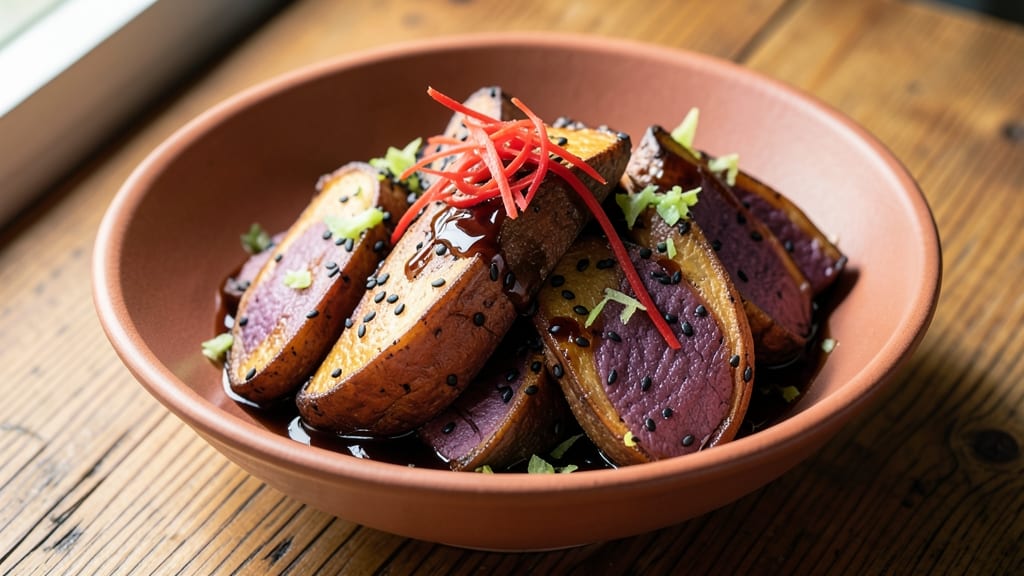
This traditional Okinawan sweet potato recipe brings the heart of Ryukyu cuisine to your table with its steamed softness and earthy umami depth. Born from generations of island cooking, this dish transforms simple sweet potatoes into a comforting staple that pairs beautifully with grilled fish or miso soup.
The key lies in slow steaming, which preserves the natural sweetness while developing a tender, almost custard-like texture that Okinawans cherish.
The preparation is straightforward yet deeply rooted in tradition—no fancy techniques required, just high-quality sweet potatoes (preferably the purple-fleshed variety) and patience. What makes this dish special is its versatility: serve it as a side, a light main course, or even as a base for other island-inspired flavors.
The subtle caramelization from steaming creates a natural sweetness that balances perfectly with savory accompaniments like soy-marinated greens or pickled vegetables.
What you’ll achieve is a dish that’s both humble and impressive—a testament to Okinawan resourcefulness. The sweet potatoes emerge with a velvety interior and a delicate char around the edges, offering a satisfying contrast.
This recipe isn’t just about the sweet potato itself but the cultural story it carries: a dish that’s been nourishing families for centuries, now ready to become part of your own traditions.
Pair it with a simple soy glaze or a sprinkle of sesame seeds for added depth, and you’ve got a complete meal that’s as nutritious as it is delicious. Let’s bring this Okinawan classic to life in your kitchen.
Ingredients for traditional okinawan sweet potato
Purple-fleshed sweet potatoes and simple island pantry staples create this Okinawan classic.
| Ingredient | Amount | Notes |
|---|---|---|
| Okinawan Sweet Potatoes 🍠 | 2 lb | Purple-fleshed preferred for authenticity |
| Sesame Seeds 🥜 | 2 tbsp | Toasted for nutty aroma |
| Soy Sauce 🥢 | 2 tbsp | Light or dark variety |
| Fresh Ginger 🧄 | ½ inch | Peeled, julienned (corrected to 'piece' for accuracy) |
| Fresh Ginger 🧄 | 1 piece | Peeled, julienned |
| Sesame Oil 🫒 | 1 tbsp | Toasted for aroma |
| Water 💧 | 2 cups | Filtered or spring water |
| Salt 🧂 | 1 tsp | Diamond Crystal preferred |
| Mirin 🍶 | 1 tbsp | Sweet rice wine |
| Sugar 🍯 | 1 tbsp | Granulated or coconut sugar |
| Dried Shiso Leaves 🌿 | 4 whole | Crushed for subtle aroma |
| Dried Bonito Flakes 🐟 | 1 tbsp | Optional for umami depth |
The sweet potatoes are the heart of this dish—Okinawan purple-fleshed if you can find them, but regular orange-fleshed works too. Look for firm, unblemished tubers at Asian markets or well-stocked grocery stores. The skin should be smooth and vibrant. If you're buying in bulk, Costco or World Market often carry authentic varieties. For the best texture, avoid sweet potatoes with soft spots or wrinkled skin. The key is patience: these need slow steaming to develop that signature custard-like interior.
No shiso leaves? Fresh mint or basil at half the amount works in a pinch. The bonito flakes are optional but add that signature umami—Trader Joe's carries them in the Asian foods aisle. Substitute dried kombu powder at one-quarter teaspoon if you prefer vegetarian. The mirin can be swapped for white wine plus 1 tsp sugar, though it won't be quite the same. For the ginger, freshly grated is ideal, but if you're using powdered, cut the amount to one-quarter teaspoon—it's much more concentrated. The soy sauce should be light for balance, but dark works too if that's what you've got.
Sweet potatoes keep for 2 weeks in a cool, dark place. Once steamed, they reheat beautifully—just cover with a damp towel and warm in the microwave for 1-2 minutes. For meal prep, portion into glass containers with a sprinkle of sesame seeds on top—they'll stay fresh for 4 days. Freeze for up to 3 months if you want to make a big batch. The soy glaze keeps for 1 week in the fridge, so make extra for drizzling on other dishes.
Why You'll Love This Recipe
- Five-Ingredient Magic: I swear by this recipe when I’m too tired to think. Just peel, slice, and roast—no peeling layers of onions or dicing herbs. The Okinawan sweet potatoes caramelize into sweet, buttery bites while the ginger and soy sauce infuse that deep umami punch with zero fuss. Honestly, it’s the kind of dish that makes me question why I ever complicate meals.
- Ginger-Soy Crunch: That first bite of crispy edges with the creamy, almost custard-like center? It’s like a hug in potato form. The soy sauce and fresh ginger create this perfect balance—savory, slightly sweet, with a nutty crunch from the sesame seeds that sticks to your fingers. I’ll be real: I’ve eaten this straight out of the pan with chopsticks. No shame.
- Lunchbox Hero: Between us, this is my go-to for packed lunches or potlucks. The roasted potatoes stay warm for hours, and the flavors only get better as they sit. Toss them in a bento box with a sprinkle of sesame seeds, or serve them as a side that actually gets finished. My kids used to complain about veggies—now they fight over the last piece.
- Budget Win: Okinawan sweet potatoes are cheaper than regular potatoes and last forever. A single bag feeds my family for three meals, and the other ingredients? Soy sauce, ginger, sesame—stuff you already have. It’s the kind of recipe that stretches your grocery budget without stretching your patience. Plus, leftovers reheat like a dream, so it’s basically free dinner for days.
Step-by-step instructions for traditional Okinawan sweet potato preparation
Here's how to achieve that signature Okinawan texture—tender, steamed sweet potatoes infused with aromatic umami.
Prepare the Sweet Potatoes for Steaming
Begin by thoroughly washing the 2 lb Okinawan sweet potatoes under cold water to remove any dirt from their skin. Using a sharp chef's knife, carefully slice each potato lengthwise into 8 equal wedges—this ensures even cooking and consistent texture throughout. For the purple-fleshed variety, you'll notice a beautiful lavender hue when you cut through them, which indicates their unique nutritional profile.
Place the wedges in a steamer basket lined with a clean kitchen towel to prevent sticking. Arrange them in a single layer, leaving small gaps between each piece so steam can circulate freely. This arrangement guarantees that every wedge steams evenly rather than developing a mushy center. If you're using a traditional bamboo steamer, make sure it fits snugly over your pot to maintain optimal steam levels.
Create the Umami Marinade
In a small bowl, combine the 2 tbsp soy sauce, 1 tbsp mirin, 1 tbsp sugar, and 1 tsp salt. Whisk these ingredients together until the sugar dissolves completely and the mixture becomes a smooth, glossy sauce. This marinade forms the flavor foundation for your sweet potatoes, balancing the natural sweetness of the potatoes with savory and slightly sweet notes.
Add the 1 tbsp toasted sesame oil to the marinade and stir well. The sesame oil carries aromatic compounds that will infuse the steamed potatoes with nutty depth. Set this marinade aside while you prepare the remaining components. For the ginger, peel and julienne both the 0.5 inch piece and the 1 piece of fresh ginger into thin matchsticks—this will allow their bright, zesty flavor to meld beautifully with the sweet potatoes.
Assemble and Steam the Potatoes
Bring 2 cups of water to a rolling boil in a pot with a tight-fitting lid. Once boiling, carefully place the steamer basket with sweet potato wedges into the pot, making sure it sits above the water level. Pour the prepared marinade evenly over the sweet potato wedges, allowing it to seep into the crevices. Sprinkle the julienned ginger evenly over the top, followed by the 2 tbsp toasted sesame seeds.
Cover the pot with the lid and steam the sweet potatoes over medium-high heat for 15-18 minutes. You'll know they're perfectly steamed when a sharp knife slides easily through the center of a wedge, but the exterior remains intact. The steam should create a gentle, rhythmic sound against the lid—this is your cue that the cooking process is working correctly. Avoid peeking during this time, as opening the lid releases steam and prolongs cooking.
Add the Finishing Touches
Once the sweet potatoes are tender, carefully remove the steamer basket from the pot and transfer the wedges to a serving platter. Gently sprinkle the 4 whole dried shiso leaves over the top, crushing them lightly with your fingers to release their subtle, minty aroma. If you're using the 1 tbsp dried bonito flakes, sprinkle them evenly over the potatoes just before serving—they'll add a delicate umami depth that complements the natural sweetness.
Let the sweet potatoes rest for 2-3 minutes before serving to allow the flavors to meld completely. The result should be tender, moist wedges with a delicate crust from the marinade, infused with the bright ginger, nutty sesame, and subtle umami from the shiso and bonito. Serve immediately while still warm to enjoy the full spectrum of flavors and textures this traditional Okinawan preparation offers.
Pro Tips For Making Traditional Okinawan Sweet Potato
- CHAR THE EDGES: Don’t just boil these sweet potatoes—they need a deep caramelized crust. After parboiling, sear them in a dry pan over medium-high heat for 3-4 minutes per side until they develop golden-brown spots. This isn’t just for looks; it’s where the real flavor hides.
- PEEL WHEN COLD: Skip peeling them fresh out of the pot—you’ll slice right through the skin. Let them cool slightly (5 minutes max), then peel while still warm. The skin slips off like a guilty secret, and you won’t waste perfectly good potato with it.
- GINGER JUICE, NOT PASTE: Fresh ginger is non-negotiable here, but grating it fine is a waste. Use a microplane or the side of your knife to make a rough paste—just enough to release the oils. Too smooth, and the dish turns mushy; too chunky, and you’ll taste texture instead of heat.
- SOY SAUCE LAST: Add the soy sauce when the potatoes are almost done. Dumping it in early will turn your dish into a sad, watery glaze. Toss them with the sauce in the last 2 minutes of cooking, then hit them with a splash of water and cover the pan. The steam will deepen the color and caramelize the edges—just like Okinawan street vendors do.
Make-ahead tips for this dish
Prep Ahead Strategy
Start by peeling and cutting the 2 lb sweet potatoes into wedges up to 2 days in advance—store them in an airtight container with a damp paper towel to prevent drying.
I like to place them in a single layer on a tray lined with parchment paper, then cover with plastic wrap. This keeps them fresh and ready for quick steaming when you're ready to cook. 💡
Marinade Prep
Make the umami marinade (soy sauce, mirin, sugar, and salt) 3 days ahead and store it in a small glass jar in the fridge. The flavors meld beautifully overnight, creating a deeper, more complex taste.
When you're ready to steam, simply whisk it again to re-emulsify before pouring over the potatoes. This step saves you time and enhances the overall depth of flavor.
Steaming Efficiency
For large gatherings, steam all the wedges at once in batches if needed—just ensure your steamer basket fits comfortably in your pot. I recommend using a stainless steel steamer (like the OXO Good Grips model) for even heat distribution.
If you're short on time, you can even steam the potatoes 2 hours ahead and reheat them gently in a covered pot with a splash of water over low heat for 5-7 minutes.
Storage Solutions
Once fully cooked, transfer the steamed wedges to an airtight container with a sprinkle of toasted sesame seeds on top. They'll keep in the fridge for 4 days—perfect for quick meals.
For longer storage, freeze the wedges in a single layer on a tray before transferring to a freezer bag. When reheating from frozen, steam them for an additional 5 minutes or until warmed through.
Garnish Prep
Toast the sesame seeds and crush the dried shiso leaves ahead of time, storing them separately in small jars. This way, you can quickly assemble the dish when serving.
The bonito flakes, if using, should be added fresh just before serving to preserve their delicate aroma and prevent them from becoming bitter. 🌿
Reheating Tips
To reheat, place the wedges in a covered pot with 1 tbsp water per cup of potatoes and warm over low heat for 8-10 minutes. For microwave reheating, cover with a damp paper towel and heat in 30-second intervals until warmed through.
The key is gentle heat to avoid drying out the tender texture—this is where patience pays off!
Nutrition facts
Frequently asked questions
What makes Okinawan sweet potatoes different from regular sweet potatoes?
The purple-fleshed Okinawan variety has a naturally sweeter, nuttier flavor and a creamier texture when steamed. Unlike orange-fleshed sweet potatoes, they develop a delicate custard-like consistency that's signature to Okinawan cooking. The skin is also thinner and more tender, making it perfect for steaming whole or in wedges.
Can I use orange sweet potatoes instead of purple?
While purple-fleshed potatoes are traditional, orange varieties work perfectly fine. The key is choosing firm, starchy sweet potatoes (not waxy) for the best texture. Just expect slightly less vibrant color and a marginally different flavor profile—still delicious and authentic enough for this preparation.
Why does the recipe call for both fresh and dried ginger?
This creates a beautiful flavor balance—the fresh ginger adds bright zing while the dried provides subtle depth. If you only have fresh, use 1.5 inches total (about 3 times the amount) for equivalent flavor. For dried-only, reduce to ¼ teaspoon since it's much more concentrated than fresh.
What's the best way to tell when the sweet potatoes are perfectly steamed?
They're done when a sharp knife slides easily through the center but the exterior remains intact. The wedges should be tender yet hold their shape—no mushy centers! For purple potatoes, the edges should develop a slight golden hue from the marinade while staying moist inside.
Can I make this dish in an Instant Pot or electric steamer?
Yes! For an Instant Pot, use the steamer basket function with 1 cup water and cook on high pressure for 3 minutes after natural pressure builds. In an electric steamer, follow the same steaming time as stovetop (15-18 minutes) but check for doneness 2 minutes early since electric steamers can be more efficient.