
Breakfast & Brunch
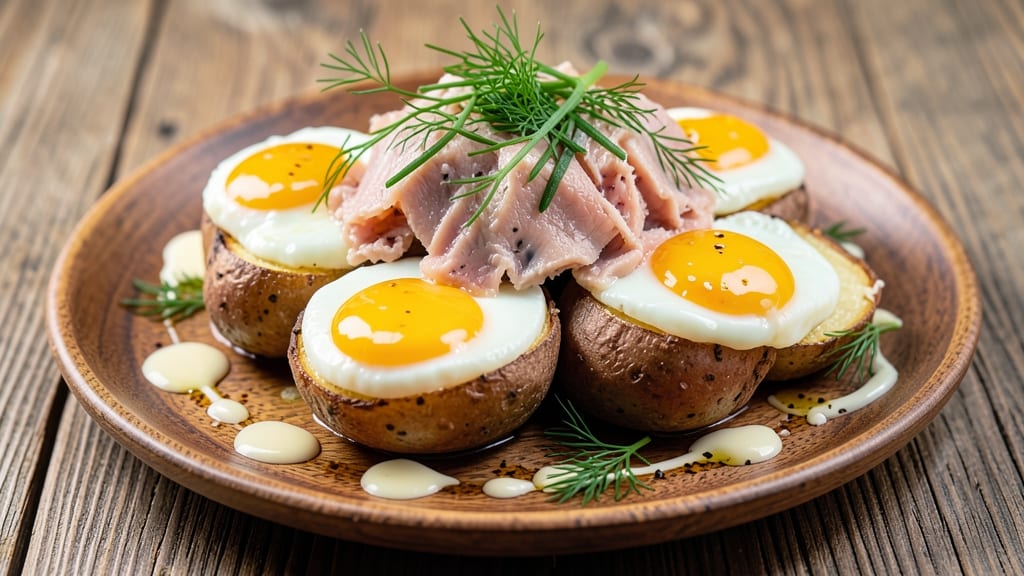
This tuna egg potato recipe transforms simple ingredients into a savory, protein-packed breakfast that feels like a restaurant meal. The secret lies in perfectly flaky potatoes that crisp just enough to hold their shape while absorbing the rich, herby flavors of the scramble.
I developed this dish after realizing how often breakfast gets overlooked for quick, less satisfying options—this changes that.
What sets this recipe apart is the balance of textures and flavors: tender flakes of potato, fluffy scrambled eggs, and flaky tuna that adds a briny depth without overpowering. The dish comes together in under 30 minutes, making it ideal for busy mornings or a weekend brunch that impresses.
No fancy techniques are needed—just a few key steps to ensure every bite delivers that satisfying mix of crisp, creamy, and savory.
The result is a hearty plate that feels indulgent yet light, perfect for pescatarians or anyone craving a meal with staying power. The potatoes soak up the egg mixture, creating a fluffy, golden base, while the tuna adds a touch of ocean freshness.
Serve with fresh herbs or a squeeze of lemon to brighten the flavors even more.
This recipe works equally well as a standalone breakfast or a light lunch—ideal for meal prep or spontaneous cooking. The combination of protein, starch, and healthy fats keeps you full for hours, making it a smart choice for any time of day. Let’s get cooking!
Ingredients for tuna egg potato
Flaky potatoes, fluffy eggs, and briny tuna create a restaurant-worthy breakfast that's simple yet sophisticated.
| Ingredient | Amount | Notes |
|---|---|---|
| Russet Potatoes 🥔 | 2 lbs | Cut into 1/2-inch flakes, parboiled |
| Large Eggs 🥚 | 6 whole | Freshly beaten, room temperature |
| Flaked Tuna 🐟 | 2 cans | High-quality, in water, drained |
| Unsalted Butter 🧈 | 4 tbsp | Cold, cubed for crisping potatoes |
| Fresh Chives 🌿 | ¼ cup | Finely chopped, for garnish |
| Fresh Dill 🌿 | ¼ cup | Finely chopped, for brightness |
| Heavy Cream 🥛 | ¼ cup | Full-fat for richness |
| Diamond Crystal Kosher Salt 🧂 | 1 ½ tsp | Adjust to taste, plus extra for potatoes |
| Freshly Ground Black Pepper 🌶️ | ½ tsp | Coarsely ground for texture |
| Extra-Virgin Olive Oil 🫒 | 1 tbsp | For drizzling on tuna |
| Lemon Juice 🍋 | 1 tbsp | Freshly squeezed, for acidity |
| Shallots 🧅 | 2 whole | Minced, for aromatic base |
| Fresh Parsley 🌿 | ⅛ cup | Chopped, for garnish |
The potatoes are the foundation—Russet potatoes with their high starch content flake perfectly when parboiled and sliced thin. Whole Foods or any well-stocked grocery store carries them year-round, but look for firm, blemish-free tubers for the best texture. For flaking, slice potatoes into even 1/2-inch pieces (a mandoline makes this easier), then parboil until just tender but still firm to the bite. The cold butter cubes are crucial—they crisp the potatoes beautifully while adding richness without overpowering the dish. If you're short on time, Trader Joe's pre-sliced potatoes work in a pinch, though they lack the flaky texture of fresh-cut.
Flaked tuna quality makes or breaks this dish. Wild Planet or Vital Choice brands offer the freshest, most flavorful options—avoid the canned tuna with added fillers. For a vegetarian swap, chickpea flakes (mashed chickpeas) mimic the texture, though the flavor won't be identical. Fresh herbs are non-negotiable here: chives and dill bring brightness, while parsley adds freshness. If you're missing one, use one-third the amount of dried (though fresh is always better). The shallots add depth—don't substitute with onions, as their flavor can be too strong. For extra richness, a splash of heavy cream (or coconut cream for a dairy-free version) ties everything together.
This dish reheats beautifully—cover with foil and warm in a 300°F oven for 10 minutes to restore crispiness. Store leftovers in an airtight container for up to 3 days in the fridge, though the potatoes lose their flakiness after day two. For meal prep, assemble components separately: parboil and store potatoes in cold water, scramble eggs without cooking, and keep tuna in its juice until ready to mix. The lemon juice should be added fresh before serving—it brightens the flavors and prevents the tuna from oxidizing. Garnish with fresh herbs right before eating for maximum aroma and freshness.
Why You'll Love This Recipe
- One-Pan Magic: I swear by this for nights when I’m too tired to scrub pots—just slice those potatoes, toss them on a sheet, and let the oven do the work. The eggs poach right into the tuna-potato mix, so you’re not juggling skillets or timers.
- Umami Bomb: That flaked tuna and butter combo? It’s like a flavor shortcut. The chives add a fresh pop, but honestly, the salty richness of the tuna and melted butter on crispy potatoes is what steals the show every time.
- Lunchbox Hero: Between us, this is my go-to for meal prep. Slice it into squares, pack it cold, and it’s a hearty lunch—no reheating needed. My kids grab it for school, and my husband eats it straight from the fridge. (Yes, even on a Tuesday night.)
- Budget Win: Russets and eggs are cheap, and a can of tuna stretches this into four servings. I’ve made it for date night, potlucks, and lazy Sundays—no one ever questions why it’s on the table, just that it is.
Step-by-step instructions for tuna egg potato scramble
Here's how to create a restaurant-worthy dish with perfectly flaky potatoes and silky eggs.
Parboil and Crisp the Potatoes
Place the 2 lbs russet potatoes in a large pot and cover with cold water by about 2 inches. Add 1 tsp diamond crystal kosher salt and bring to a boil over medium-high heat. Once boiling, reduce heat to medium and simmer for 8-10 minutes until the potatoes are fork-tender but still firm.
Drain the potatoes thoroughly, then transfer them to a large skillet over medium heat. Add the 4 tbsp cold unsalted butter and the 2 minced shallots. Cook for 8-10 minutes, stirring occasionally, until the potatoes are golden brown and crispy in spots. This step creates the signature flaky texture that makes this dish special. If the potatoes seem dry, add 1 tablespoon water to steam them slightly, but keep them mostly crisp.
Prepare the Tuna Mixture
In a medium bowl, combine the 2 cans drained flaked tuna, 0.25 cup heavy cream, 1 tbsp lemon juice, 0.25 cup finely chopped fresh dill, and 0.5 tsp freshly ground black pepper. Mix gently with a fork—you want to preserve the texture of the tuna while incorporating the flavors. The lemon juice brightens the dish while the dill adds a fresh, herby note that balances the richness of the eggs and cream.
Set the tuna mixture aside while you prepare the eggs. I like to let it sit for 5 minutes to allow the flavors to meld slightly before adding it to the potatoes. This ensures the tuna is fully integrated into the dish rather than sitting as separate pieces.
Cook the Eggs to Fluffy Perfection
In a separate bowl, beat the 6 whole large eggs until the yolks and whites are fully combined but still slightly thick. This prevents the eggs from becoming too runny as they cook. Add the remaining 1 tsp diamond crystal kosher salt and 0.5 tsp freshly ground black pepper to the eggs and mix well.
Heat a nonstick skillet over low heat (this is crucial—high heat will scramble the eggs too quickly). Pour the eggs into the skillet and let them sit undisturbed for 10-15 seconds until the edges begin to set. Then, using a spatula, gently push the eggs from one side of the pan to the other, folding them as you go. This creates soft, fluffy curds rather than a dense scramble. Cook for 2-3 minutes until the eggs are just set but still slightly moist.
Combine Everything for Maximum Flavor
Remove the skillet of potatoes from the heat and add the tuna mixture, stirring gently to combine. The residual heat from the potatoes will warm the tuna mixture through without overcooking it. Then, add the cooked eggs to the skillet and fold everything together carefully. The goal is to distribute the eggs evenly while preserving their fluffy texture.
Cook for an additional 1-2 minutes over low heat, just until everything is heated through and the flavors are fully integrated. The dish should be creamy yet still hold its structure—each bite should deliver the flaky potatoes, fluffy eggs, and briny tuna in perfect harmony. If the mixture seems too thick, add 1 tablespoon water to loosen it slightly.
Finish and Garnish
Transfer the scramble to a serving dish and let it rest for 2-3 minutes to allow the flavors to settle. This resting period ensures the eggs and potatoes don't continue cooking excessively once removed from heat, which can make them rubbery.
Garnish generously with the 0.25 cup finely chopped fresh chives and 0.125 cup chopped fresh parsley. Drizzle with the 1 tbsp extra-virgin olive oil for a touch of richness and serve immediately. The fresh herbs add a pop of color and brightness, while the olive oil ties everything together. This dish is best enjoyed fresh, so don't let it sit too long before serving.
Pro Tips For Making Tuna Egg Potato
- PARBOIL POTATOES FIRST: I learned this the hard way—skipping the parboil means uneven cooking when you slice them later. Drop peeled Russets into boiling water for 5 minutes (yes, peel them first, it’s easier), then drain and let them cool. This guarantees they’ll hold their shape when you slice them thin for the egg mixture.
- USE COLD TUNA: Sounds weird, but it works: drain the tuna and run it under cold water before mixing it into the eggs. Warm tuna releases too much moisture, turning your potatoes into a soggy mess. Cold tuna keeps the texture flaky and the dish light—trust the process, even if it feels counterintuitive.
- SAUTÉ CHIVES LAST: Don’t toss those chives in with the eggs. Instead, reserve a handful to sauté in butter for 30 seconds right before serving. The heat wakes up their flavor, giving you a bright, fresh finish that cuts through the richness of the tuna and butter. (Your future self will notice the difference.)
- DON’T OVERMIX EGGS: This isn’t the prettiest method, but it’s the tastiest: whisk the eggs just until combined, then fold in the potatoes and tuna gently. Overmixing makes the eggs tough, and you’ll end up with a dense, rubbery texture. Think "light and airy," not "whipped to oblivion."
Regional styles of this recipe
Japanese Tuna Mayo Potato Bowl
In Japan, this dish transforms into a tuna mayo potato bowl called tuna pota, often served with a side of miso soup or steamed greens. The key difference?
Replace the heavy cream with Japanese mayonnaise (like Kewpie) and add a touch of mirin and soy sauce to the tuna mixture. The potatoes are often thinly sliced and pan-fried until ultra-crispy, creating a satisfying crunch.
Garnish with toasted sesame seeds and thinly sliced scallions for an authentic touch. 🌏
Mediterranean Lemon-Herb Style
For a Mediterranean twist, swap the dill for fresh oregano and thyme, and add sun-dried tomatoes and kalamata olives to the tuna mixture. Use olive oil instead of butter for the potatoes, and finish with a drizzle of lemon-infused olive oil and crumbled feta cheese.
This version pairs beautifully with a Greek salad or crusty sourdough bread. The bright citrus and herbs elevate the dish to a refreshing brunch option. 🍋
Southern U.S. Cajun Kick
Give this dish a Cajun-inspired heat by adding 1 tbsp Cajun seasoning (like Tony Chachere's) to the tuna mixture and a pinch of smoked paprika to the potatoes. Serve with a side of cornbread and a spicy remoulade sauce for dipping.
The bold spices cut through the richness of the eggs and cream, making it a standout dish for a Southern-style brunch. 🌶️
French Potato-Tuna Terrine
For a French-inspired twist, turn this into a potato-tuna terrine by layering the flaked potatoes, scrambled eggs, and tuna mixture in a loaf pan lined with parchment paper. Bake at 350°F for 25 minutes until set, then chill for 2 hours before slicing.
Serve with a red wine reduction or Dijon mustard aioli. This makes-ahead option is perfect for holiday brunches or potlucks. 🥖
Mexican Tuna Potato Tacos
Transform this dish into crispy tuna potato tacos by shaping the mixture into small patties and pan-frying until golden. Serve in corn tortillas with avocado slices, pickled red onions, and a lime crema (mix ½ cup sour cream with 2 tbsp lime juice and ½ tsp cumin).
The smoky, tangy flavors make this a lunch-worthy variation that’s easy to customize. 🌮
Italian Tuna Risotto Twist
For an Italian-inspired take, use arborio rice instead of potatoes and cook it into a risotto with white wine and Parmesan cheese. Stir in the tuna mixture and scrambled eggs at the end, then finish with fresh basil and Pecorino Romano.
This creamy, one-pot dish feels luxurious but still delivers that briny tuna flavor. Pair it with a dry Pinot Grigio for a sophisticated brunch. 🍷
Nutrition facts
Frequently asked questions about tuna egg potato dishes
Can I use canned tuna in oil instead of water?
Yes, but you'll need to adjust the recipe slightly. Drain the tuna thoroughly and pat it dry with paper towels to remove excess oil. The oil can make the dish greasier, so reduce the heavy cream to 2 tablespoons instead of 0.25 cup to maintain balance. Also, add 1 extra tablespoon of lemon juice to cut through the richness.
How do I make this dish vegetarian?
Replace the tuna with 1 cup of mashed chickpeas or 15 oz of crumbled firm tofu (pressed and drained). For extra flavor, add 1 teaspoon smoked paprika and 1 tablespoon nutritional yeast to mimic the umami depth of tuna. The texture won't be identical, but it creates a satisfying alternative.
Why did my potatoes turn mushy?
This usually happens when potatoes are overcooked during parboiling or when too much moisture is added later. First, ensure you're simmering potatoes in 8-10 minutes until fork-tender but still firm. Second, don't add more than 1 tablespoon of water when crisping them in butter—excess liquid steams instead of crisps.
Can I make this ahead of time?
Yes, but with some adjustments. Cook the potatoes and eggs separately, then store them in airtight containers in the fridge for up to 2 days. Reheat potatoes in a dry skillet over medium heat for 3-4 minutes, then warm eggs in a separate pan. Combine everything just before serving to maintain texture. The tuna should be added fresh to prevent drying out.
What's the best way to reheat leftovers?
For best results, use the oven method: cover leftovers with foil and warm at 300°F for 10-12 minutes. This preserves the flaky texture of potatoes and fluffy eggs better than microwave reheating. If using the microwave, cook in 30-second intervals on low power, stirring between each interval to redistribute heat evenly.