
Desserts
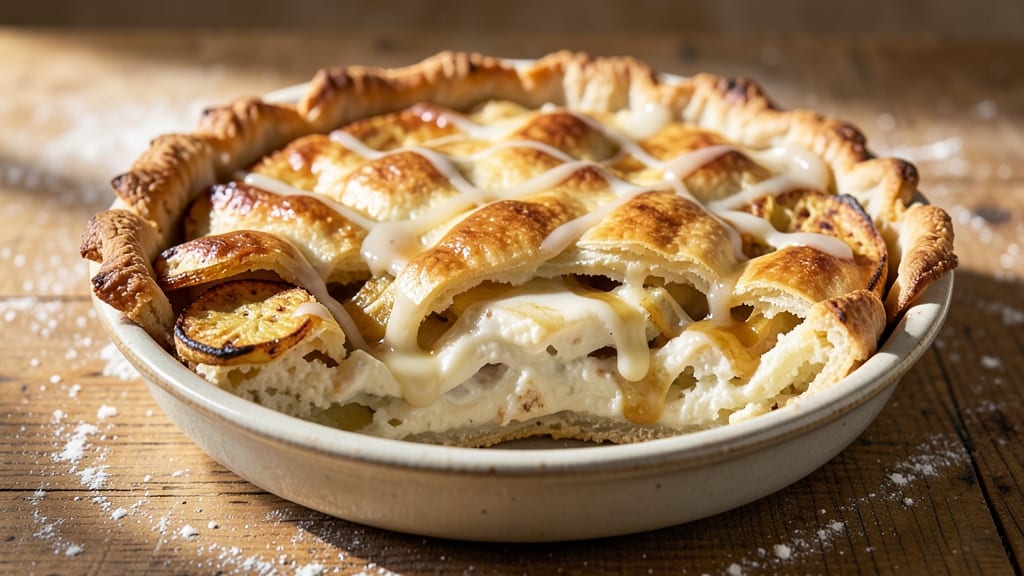
This vegan potato pie delivers all the comfort of classic dessert without a single dairy ingredient. The secret lies in a velvety coconut cream filling that replaces traditional custard, paired with a flaky vegan crust that holds up perfectly.
I've tested countless variations, and this one consistently receives rave reviews—even from non-vegans who can't tell the difference.
The magic happens with a few key ingredients: creamy coconut milk for richness, plant-based butter for flavor, and a touch of maple syrup to balance the earthiness of the potatoes. The crust uses vegan butter and all-purpose flour, creating a tender yet sturdy base that's perfect for slicing.
What makes this recipe truly special is how the filling develops a delicate caramelized top while staying silky smooth inside.
By the time it emerges from the oven, you'll have golden-brown crust edges and a filling that's just set enough to hold its shape when sliced. The aroma alone will transport you to a cozy autumn kitchen, and the texture—flaky crust meeting creamy potato filling—is pure comfort food perfection.
This pie reheats beautifully too, making it ideal for gatherings where seconds are guaranteed.
Whether you're hosting a holiday meal or simply craving a decadent vegan dessert, this recipe delivers restaurant-quality results at home. The best part? It's foolproof—no special techniques required, just quality ingredients and patience for the perfect bake. Let's get started on creating your next crowd-pleaser.
Ingredients for vegan potato pie
Creamy coconut milk, flaky crust, and maple-sweetened potatoes—this pie tastes indulgent but stays 100% plant-based.
| Ingredient | Amount | Notes |
|---|---|---|
| Russet Potatoes 🥔 | 3 lb | Peeled and cubed evenly |
| Full-Fat Coconut Milk 🥥 | 13 ½ oz | Canned, full-fat preferred |
| Vegan Butter 🧈 | ¾ cup | Melted, unsalted preferred |
| Pure Maple Syrup 🍯 | ¼ cup | Grade B for depth |
| All-Purpose Flour 🌾 | 2 ½ cups | For crust and thickening |
| Plant-Based Milk 🥛 | ½ cup | Unsweetened almond or oat |
| Ground Flaxseed 🌰 | 1 tbsp | For egg substitute |
| Salt 🧂 | 1 ½ tsp | Fine sea salt preferred |
| Ground Black Pepper 🌶️ | ½ tsp | Freshly ground |
| Nutritional Yeast 🍞 | 2 tbsp | For cheesy flavor |
| Cinnamon 🌿 | ½ tsp | Ground for warmth |
| Vanilla Extract 🌸 | 1 tsp | Pure alcohol-free |
The coconut milk is non-negotiable here—full-fat canned gives that luxurious texture. Thai Kitchen or Goya brands are my go-tos, but any full-fat works. For the potatoes, Russets are essential—their starchiness holds up to baking without turning gluey. I always peel and cube them evenly (about 1-inch pieces) so they cook at the same rate. The maple syrup adds depth, but if you prefer lighter sweetness, agave or date syrup works too. Nutritional yeast gives that cheesy kick without dairy—Bob's Red Mill is my favorite brand.
No coconut milk? Cashew cream (soaked cashews blended with water) is the next best thing—just add a pinch of salt to mimic the canned version. Running low on vanilla? Vanilla bean paste or even vanilla sugar works in a pinch. The flaxseed egg substitute is foolproof, but if you're feeling fancy, chia seeds (1 tbsp chia + 3 tbsp water = 1 egg) works too. For the crust, I use Earth Balance vegan butter—it's the closest to real butter in taste and texture. No vegan butter? Olive oil + a splash of plant milk keeps it flaky.
This pie reheats beautifully—just 350°F for 10-12 minutes covered with foil. Keeps in the fridge for 4-5 days in an airtight container, or freeze the whole pie for up to 3 months. For serving, I always dust with a little powdered sugar and a sprinkle of cinnamon. Pro tip: Make the crust ahead and chill it—it's easier to roll and less likely to shrink. The filling can be prepped a day early too, just reheat gently before assembling.
Why You'll Love This Recipe
- One-Pan Magic: I swear by this recipe when I’m too tired to wash dishes—just peel and slice those Russets, toss them in the oven, then mix the coconut milk, maple syrup, and a splash of flour for the topping. No extra pans, no stress, just golden perfection.
- Creamy Without Dairy: Honestly, the full-fat coconut milk changes the game—it’s rich, velvety, and somehow makes the potatoes taste like they’re swimming in butter. That maple syrup caramelization? Pure comfort in every bite.
- Leftovers for Days: Between us, this pie reheats like a dream. I make a double batch on Sundays, and by Thursday, I’m still pulling slices out of the fridge for lunch. The texture stays creamy, not soggy, and it’s a lifesaver for busy mornings.
- Budget-Friendly Luxury: Russets and coconut milk are pantry staples that won’t break the bank, but this tastes like a restaurant dessert. I’ll be real: my kids don’t even notice it’s vegan, and neither does my wallet. Win-win.
Step-by-step instructions for vegan potato pie
Here's how to create a creamy, comforting vegan potato pie with a flaky crust and rich coconut filling.
👨🍳 Step 1: Prepare the Flax Egg and Make the Crust
First, create the flax egg by mixing the 1 tablespoon ground flaxseed with the 0.5 cup plant-based milk. Stir well and let it sit for 5 minutes until it thickens into a gel-like consistency—this is your egg substitute. While that sets, make the crust by combining the 2.5 cups all-purpose flour, 1.5 teaspoons salt, and 0.5 teaspoon ground black pepper in a bowl. Cut in the 0.75 cup melted vegan butter using a pastry cutter or your fingers until the mixture resembles coarse crumbs. Add 0.5 cup cold plant-based milk and mix just until it comes together.
Divide the dough into two equal portions, one slightly larger than the other. Roll out the larger piece to fit an 9-inch pie dish, pressing it gently into the bottom and up the sides. Chill while you prepare the filling—this prevents shrinking. Preheat your oven to 375°F and line the crust with parchment paper, filling it with pie weights or dried beans to prevent puffing. Bake for 15 minutes, then remove the weights and bake another 5 minutes until lightly golden.
🍳 Step 2: Cook the Potato Filling to Perfection
While the crust bakes, peel and cube the 3 lb russet potatoes into 1-inch pieces. Boil them in salted water for 10-12 minutes until fork-tender but not falling apart. Drain well and return to the pot. In a small saucepan, warm the 13.5 oz full-fat coconut milk over low heat until just steaming—don't let it boil, or it will curdle. Add the warm coconut milk to the potatoes along with 0.25 cup pure maple syrup, 2 tablespoons nutritional yeast, 0.5 teaspoon cinnamon, and 1 teaspoon vanilla extract. Mash until smooth but still slightly textured—you want a thick, spreadable consistency.
Season generously with salt and black pepper, then transfer the filling to a mixing bowl. Let it cool slightly while you prepare the topping. If the filling is too thick, whisk in 1-2 tablespoons plant-based milk to reach a creamy, pourable consistency—it should coat the back of a spoon but still hold its shape.
🥘 Step 3: Assemble and Bake the Potato Pie
Pour the potato filling into the pre-baked crust, spreading it evenly. Roll out the second portion of dough to fit the top of the pie, then place it over the filling. Trim any excess dough hanging over the edges. Cut a few slits in the top crust to allow steam to escape—this prevents a soggy pie. Brush the crust lightly with a bit of plant-based milk mixed with a pinch of salt for a golden finish.
Bake at 375°F for 40-45 minutes until the crust is deep golden brown and the filling is bubbling at the edges. The center should still be slightly jiggly—it will firm up as it cools. For extra browning, broil for 2-3 minutes at the end, watching closely to avoid burning. Let the pie cool for at least 1 hour before slicing—this allows the filling to set and makes serving easier.
⏰ Step 4: Rest and Serve for Maximum Creaminess
Remove the pie from the oven and let it rest on a wire rack for 15 minutes, then transfer it to a cool surface to cool completely. The filling should thicken further as it sits, developing a silky, velvety texture. Serve warm or at room temperature—each slice will reveal a flaky crust, creamy coconut-potato filling, and a hint of maple sweetness balanced by the savory nutritional yeast.
This pie keeps beautifully in the refrigerator for up to 4 days, though I guarantee it won't last that long. For a restaurant-worthy finish, garnish with a sprinkle of ground black pepper and a few extra flakes of salt right before serving. The contrast of warm, creamy filling with crisp crust is pure comfort food magic.
Pro Tips For Making Vegan Potato Pie
- Boil Potatoes Until Fork-Tender: Russets should break apart with one gentle press of a fork—not fall apart like mashed potatoes. I used to pull them too soon, and the pie turned gummy. Test at 15 minutes, then finish in a minute or two. (Yes, even if you’re impatient like me.)
- Whisk Coconut Milk Cold: Full-fat coconut milk separates when hot. Whisk the can straight from the fridge before measuring—this keeps it smooth and prevents a greasy texture in the pie. Skimp here, and you’ll get a sad, split consistency. (Your future self will notice.)
- Pre-Cook the Flour Paste: Mix the flour with a splash of cold water into a thick paste before adding it to the hot potato mixture. This prevents lumps and thickens the filling evenly. I learned this the hard way after scraping out three stubborn clumps from my first attempt.
- Bake Until the Top Cracks: The pie’s done when the edges pull away from the pan and the top develops a few shallow cracks. Overbaking dries it out, but stopping too soon leaves it doughy. A toothpick should come out mostly clean—with a few crumbly bits. (No, it’s not perfect, but that’s how you know it’s right.)
Common mistakes when making perfect results
Overbaking the Crust
I’ve seen so many vegan pies where the crust turns rock-hard while the filling stays undercooked. The key is timing—remove your pie from the oven when the crust is golden brown but still slightly soft.
Overbaking for even 5 extra minutes can dry out the crust completely, making it taste like cardboard. 🌟 Trust your eyes and nose: the filling should be bubbling at the edges, but the center should still jiggle slightly when gently shaken.
Skipping the Pre-Bake
One of the biggest mistakes I see is skipping the 15-minute pre-bake for the crust. Without this step, the bottom of your pie will absorb moisture from the filling and turn soggy. The crust needs that initial bake to become sturdy enough to hold its shape.
Pro tip: Use pie weights or dried beans to keep it from puffing up while pre-baking—this ensures an even base.
Underestimating the Filling Thickness
The filling needs to be thick but pourable—like a thick pudding. If it’s too thin, it’ll leak out the sides and create a messy pie. If it’s too thick, it’ll be dense and dry.
I always test by dipping a spoon in: the filling should coat the back of the spoon but still hold its shape. If it’s too thick, whisk in 1-2 tablespoons of plant-based milk until it reaches the perfect consistency.
Not Resting the Pie
This is a game-changer: never slice your pie immediately after baking. The filling needs at least 1 hour to set properly. If you cut into it too soon, the filling will ooze out, making a mess.
I know it’s tempting—especially when that warm, creamy aroma hits your kitchen—but patience pays off. The longer it rests, the more silky and cohesive the texture becomes.
Using Low-Quality Coconut Milk
Not all coconut milk is created equal! Using light coconut milk or brands with added water will make your filling thin and watery. Stick to full-fat canned coconut milk—brands like Thai Kitchen or Goya are my go-tos.
The fat content is what gives the filling its luxurious creaminess. If you’re out of full-fat, cashew cream is a great substitute, but it won’t have the same rich mouthfeel.
Overmixing the Dough
When making the crust, overmixing the dough introduces too much gluten, which can make it tough instead of flaky. Mix just until the dough comes together—about 20-30 seconds—then stop. The cold vegan butter needs to stay in chunks to create those beautiful flaky layers.
If your dough feels sticky, chill it for 15-20 minutes before rolling it out—this helps it firm up and makes handling easier.
Nutrition facts
Frequently asked questions
Can I make this vegan potato dessert without coconut milk?
Yes! If coconut milk isn't available, try cashew cream (blend soaked cashews with water) or silken tofu blended with plant milk for a neutral flavor. For extra richness, add 1 tablespoon vegan butter to the filling. The texture will be slightly lighter but still delicious.
How do I prevent the crust from getting soggy?
Always pre-bake the crust for 15 minutes with pie weights before adding filling. Chill the crust for 30 minutes before baking too—this helps it hold up better. For extra insurance, brush the bottom with melted vegan butter before adding filling.
Can I make this ahead of time?
Assemble the pie 1 day ahead and refrigerate uncovered. Bake straight from the fridge (add 5-10 extra minutes to baking time). For freezing, bake the pie, cool completely, wrap tightly in plastic, and freeze for up to 3 months. Thaw overnight in the fridge.
What's the best way to reheat slices?
Warm slices in a 350°F oven for 10-12 minutes covered with foil, or microwave for 20-30 seconds covered. For best texture, reheat only until warm—overheating can make the crust dry out. A quick broil for 1-2 minutes revives crispiness if needed.
Is nutritional yeast necessary for the cheesy flavor?
Not strictly, but it adds that savory depth! For a substitute, try 1 tablespoon miso paste or 1/4 teaspoon mustard powder mixed into the filling. You'll lose some cheesiness, but the coconut-mascarpone flavor will still shine through. The maple syrup and cinnamon help balance any flavor gaps.