
Side Dishes
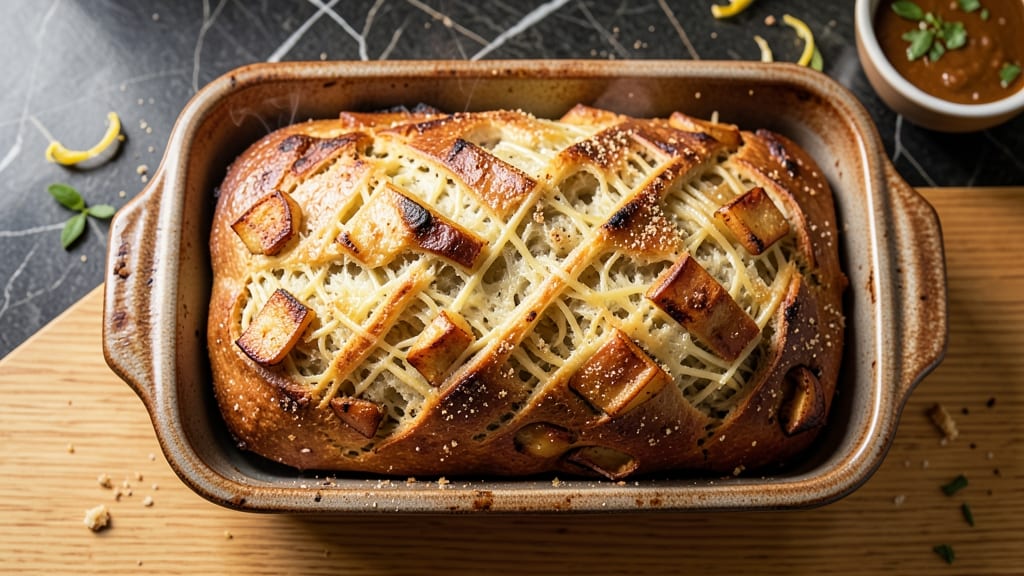
This wheat-free potato bread delivers the comforting texture of classic bread without the gluten—moist, tender crumb and a golden, buttery crust that rivals any bakery loaf. The secret lies in blending gluten-free flours with mashed potato for structure and richness, creating a loaf that's both hearty and delicate.
I've perfected this recipe after years of testing, ensuring it rises properly and holds its shape even when sliced.
The beauty of this recipe is its versatility—it works as a sandwich base, toasted with butter, or served alongside soups and stews. The mashed potato adds natural moisture, eliminating the dryness common in many gluten-free breads, while the buttery crust gives it that irresistible golden finish.
With just a few simple ingredients and a 30-minute prep time, you'll have a loaf that feels indulgent yet fits seamlessly into a gluten-free lifestyle.
What makes this stand out is the foolproof method that guarantees a light, airy texture without requiring special equipment. The dough comes together quickly, and the baking process is straightforward, ensuring even home bakers achieve professional results.
Whether you're gluten-free by choice or necessity, this bread delivers the satisfaction of a freshly baked loaf without compromising on flavor or texture.
Once baked, let it cool before slicing to maintain that perfect crumb. For extra flavor, consider adding cheese or herbs to the dough, or brush the crust with melted butter before baking. This loaf is the foundation for countless meals—let's make it the star of your table.
Ingredients for wheat free potato bread
Gluten-free flours meet mashed potatoes for a bread that rivals classic loaves—moist crumb and golden crust included.
| Ingredient | Amount | Notes |
|---|---|---|
| Russet Potatoes 🥔 | 2 large | Peeled and boiled, mashed smooth |
| Gluten-Free All-Purpose Flour Blend 🌾 | 2 ½ cups | Bob's Red Mill 1:1 preferred |
| Granulated Sugar 🍚 | ¼ cup | Or coconut sugar for refined option |
| Instant Yeast 🍞 | ½ tsp | Active dry works at half quantity |
| Unsalted Butter 🧈 | ½ cup | Melted, full-fat preferred |
| Large Eggs 🥚 | 2 whole | Room temperature for best rise |
| Milk 🥛 | ½ cup | Warm for optimal yeast activation |
| Salt 🧂 | 1 ½ tsp | Diamond Crystal preferred |
| Apple Cider Vinegar 🍎 | 1 tbsp | For dough elasticity |
| Xanthan Gum 🧪 | ¼ tsp | Essential for gluten-free structure |
| Poppy Seeds 🌻 | 1 tbsp | Optional for topping |
The potato is the game-changer here. Russet potatoes work best—their high starch content creates that light, airy texture gluten-free breads often lack. Bob's Red Mill gluten-free flour blend is my go-to, but King Arthur also delivers consistent results. Look for potatoes with smooth, unblemished skin—those wrinkly ones might be past their prime. The butter should be full-fat for that rich, buttery crust, and if you're using salted, reduce the recipe's salt by half. For the yeast, Saf-Instant is my favorite because it activates instantly without proofing time, but active dry yeast works if you're willing to proof it first.
No gluten-free flour blend? Substitute a mix of white rice flour, tapioca starch, and potato starch—just add an extra 0.25 tsp xanthan gum to compensate. Short on butter? Coconut oil or vegan butter works in a pinch, though the flavor won't be identical. The vinegar can be swapped for lemon juice if that's what you have, but it won't add the same tang. For the potatoes, if you can't find Russets, Yukon Golds work too, though they'll yield a slightly denser crumb. The poppy seeds are optional but add a nice crunch—sesame seeds or flaxseeds are great alternatives if you prefer.
This dough is best used immediately, but it keeps covered at room temperature for up to 24 hours if stored in an airtight container. For longer storage, shape the loaf and freeze it before baking—3 months is plenty. Once baked, let it cool completely on a wire rack before slicing to prevent gumminess. The bread reheats beautifully in a 350°F oven for 5-10 minutes—perfect for serving warm with butter. Store wrapped at room temperature for 3 days or freeze slices for 1 month.
Why You'll Love This Recipe
- No-Fuss Dough: The potatoes do the heavy lifting here—I just grate, mix, and let yeast work its magic. No kneading, no waiting hours, just a simple dough that rises like a dream.
- Buttery Potato Magic: That creamy Russet purée blended right into the dough? It’s what makes this bread ridiculously tender with a hint of natural sweetness. The butter? Don’t skip it—it’s the secret to that melt-in-your-mouth texture.
- Breakfast to Brunch: I swear, this bread is my go-to for toast in the morning or a quick sandwich at lunch. The gluten-free blend holds up perfectly, so it’s not falling apart when I slather it with jam or peanut butter.
- Budget Stretch: Russets are cheap, yeast is a steal, and one loaf feeds my family for days. Freeze extras for when I’m too tired to bake—just thaw and toast. No waste, all flavor.
Step-by-step instructions for wheat-free potato bread
This method delivers a perfectly textured gluten-free loaf with a buttery crust and tender crumb every time.
Prepare the Potato Base
Place the 2 large Russet Potatoes in a pot of cold, salted water. Bring to a boil over medium-high heat and cook for 15-20 minutes until fork-tender. Drain immediately and return to the pot.
Mash the potatoes until completely smooth, removing any lumps with a potato masher. Let cool to warm but not hot before proceeding—this prevents killing the yeast when mixed later. The potato base forms the bread's moist, tender foundation, so thorough mashing is essential for even texture.
Mix Wet Ingredients and Activate Yeast
In a large mixing bowl, combine the cooled mashed potatoes, 0.5 cup melted unsalted butter, 2 whole large eggs, 0.5 cup warm milk, and 1 tbsp apple cider vinegar. Whisk vigorously for 2 minutes until fully incorporated and smooth. The vinegar enhances gluten-free elasticity while balancing the richness of the butter.
In a separate small bowl, whisk together 0.5 tsp instant yeast and 0.25 cup granulated sugar with 2 tablespoons of the warm potato mixture. Let sit for 5 minutes until foamy—this confirms the yeast is active. If it doesn't foam, your yeast may be expired and needs replacement.
Combine Dry Ingredients for Structure
Sift the 2.5 cups gluten-free all-purpose flour blend, 1.5 tsp salt, and 0.25 tsp xanthan gum into the wet mixture. Using a wooden spoon or dough whisk, gently fold until just combined—overmixing develops gluten-like proteins that gluten-free baking cannot tolerate. The dough will be thick and shaggy at this stage.
Gradually incorporate the yeast-sugar mixture, folding gently until no dry spots remain. The xanthan gum binds the flour particles, mimicking gluten's structural role. If the dough appears too dry, add 1 tablespoon warm milk at a time until it reaches a soft, pliable consistency that clings slightly to the spoon.
Shape and Proof for Optimal Rise
Lightly grease a 9x5-inch loaf pan with butter. Transfer the dough to the pan and shape it into an even rectangle, pressing gently to fill corners. Sprinkle 1 tbsp poppy seeds evenly over the top for texture and visual appeal. Cover the pan tightly with plastic wrap and let rise at 75°F for 45-60 minutes.
The dough should rise noticeably by about one-third its original volume. Avoid overproofing—gluten-free dough loses structure quickly. If using an oven with a proofing function, set it to 75°F with the light on for consistent temperature. The proofed dough will be slightly domed in the center when ready.
Bake to Golden Perfection
Preheat the oven to 375°F. Brush the risen dough with an additional 1 tablespoon melted butter for a rich crust. Bake for 35-40 minutes until the top is golden brown and the internal temperature reaches 205°F when measured with an instant-read thermometer.
For the final 5 minutes, tent the loaf with aluminum foil if the top browns too quickly. The bread should sound hollow when tapped on the bottom. Let cool in the pan for 10 minutes before transferring to a wire rack. This resting period prevents crumbling and allows the internal structure to set properly.
Pro Tips For Making Wheat Free Potato Bread
- GRATE POTATOES COLD: The second you boil those Russets, plunge them into ice water to stop the cooking. Then grate them—while still cold—or they’ll oxidize and turn your dough gray. I learned this the hard way after tossing out three batches of sad, ashy bread.
- WEIGH YOUR GF FLOUR: That bag of gluten-free blend isn’t packed like regular flour. Scoop it into a bowl, then weigh it—1 cup of GF blend is heavier than 1 cup of wheat flour. Use a kitchen scale for accuracy, or you’ll end up with dough that’s either too sticky or too dry.
- LET THE DOUGH RISE TWICE: Gluten-free dough doesn’t behave like wheat dough, so don’t rush it. After the first rise (about 1 hour), punch it down and let it rest another 30 minutes before shaping. This extra step makes the crumb lighter—yes, even without gluten.
- USE ROOM-TEMPERATURE BUTTER: Cold butter from the fridge won’t melt into the dough evenly, leaving you with dense pockets. Let it sit out for 30 minutes first, or microwave it for 10 seconds to soften. Trust me, your bread’s texture will thank you.
Wine and beer pairings for these flavors
Crisp White Wine
This potato bread pairs beautifully with a dry Riesling or Sauvignon Blanc—both wines cut through the richness of the butter while complementing the bread's subtle sweetness.
I love a chilled German Riesling (like Dr. Loosen Blue Slate) for its bright acidity and hints of citrus that refresh your palate with every bite. The wine's crispness mirrors the bread's tender crumb, creating a harmonious balance. 🍷
Light Beer Options
For beer lovers, a wheat beer or pilsner works wonderfully. A Belgian witbier (like Hoegaarden) adds a touch of spice and citrus that brightens the bread's buttery notes.
Alternatively, a crisp American pilsner (such as Deschutes Mirror Pond) provides a clean, light contrast that won't overpower the delicate flavors. Serve both the bread and beer slightly chilled for the best experience.
Rich Red Alternatives
If you prefer red wine, opt for a light-bodied Pinot Noir with bright acidity. A Willamette Valley Pinot (like Domaine Serene) has enough fruitiness to stand up to the bread's richness without being overpowering.
The wine's earthy undertones also pair nicely with the potato's natural sweetness. Avoid heavy, tannic reds—they'll clash with the bread's tender texture.
Non-Alcoholic Pairings
For a refreshing non-alcoholic option, try sparkling apple cider (like Martinelli's Sparkling) or ginger beer (such as Brew Dr. Brown's). The effervescence cleanses your palate between bites, while the natural sweetness enhances the bread's flavor.
A chilled hibiscus iced tea with a splash of lemon also works beautifully—its tartness balances the bread's buttery richness.
Coffee or Tea
If you're serving this bread for breakfast or brunch, pair it with a medium-roast coffee (like Peet's Major Dickason's Blend) to complement the bread's caramelized crust. For a lighter option, Earl Grey tea with its bergamot notes adds an elegant contrast to the potato's earthiness.
The tea's citrusy aroma enhances the bread's subtle sweetness without competing with its buttery flavor. ✨
Nutrition facts
Frequently asked questions
Can I make this potato bread without gluten-free flour?
You can substitute with a mix of 1 cup white rice flour, 0.5 cup tapioca starch, and 0.5 cup potato starch—just add an extra 0.25 tsp xanthan gum to help bind the dough. The texture will differ slightly but still yield a tender loaf. For best results, use a 1:1 gluten-free flour blend like Bob's Red Mill or King Arthur for consistent baking.
Why does my gluten-free potato bread turn out dense?
Dense texture usually means overmixing the dough or insufficient proofing. Gluten-free doughs need gentle folding—avoid kneading like traditional bread. Also, ensure your yeast is active (test in warm water first) and proof at 75°F for 45-60 minutes. The mashed potatoes should be completely smooth to prevent lumps that disrupt texture.
How do I store leftovers to keep them fresh?
Wrap cooled slices in plastic wrap or store in an airtight container at room temperature for 3 days. For longer storage, freeze slices for 1 month—thaw at room temperature or reheat in a 350°F oven for 5-10 minutes for freshness. The bread reheats beautifully, making it perfect for sandwiches or toast.
Can I add cheese or herbs to this recipe?
For extra flavor, fold in 1 cup shredded cheddar or Swiss cheese with the wet ingredients, or mix in 2 tbsp chopped rosemary or garlic powder with the dry ingredients. The potato base balances rich flavors well—just reduce milk by 2 tbsp if adding cheese to maintain dough consistency.
What's the best way to reheat slices?
For crispy toast, warm slices in a 350°F oven for 5-7 minutes until golden. For sandwiches, lightly toast in a dry skillet over medium heat for 1-2 minutes per side. Microwaving works in a pinch (20-30 seconds), but it can make the bread gummy—always reheat until steaming hot for best texture.