
Side Dishes
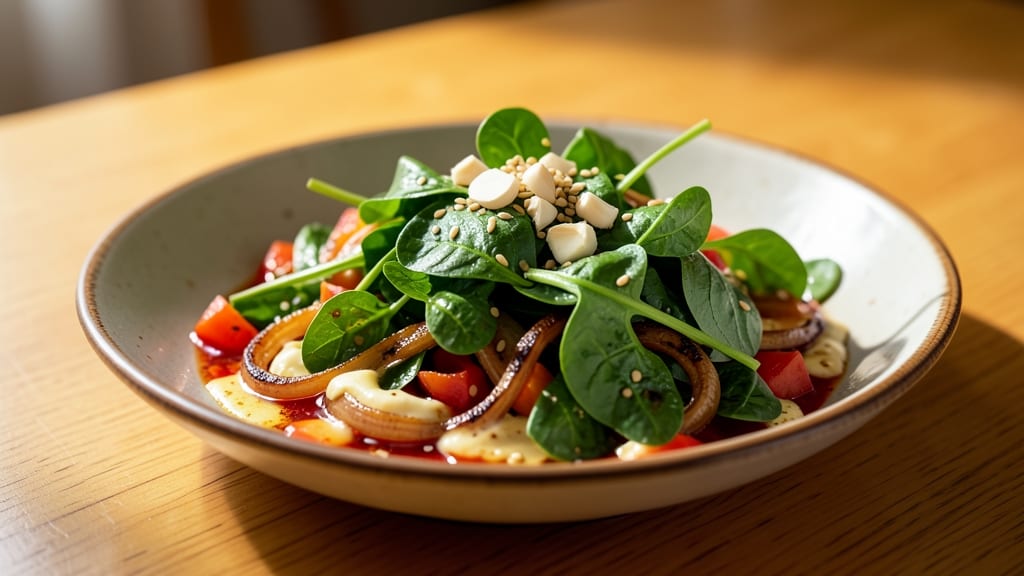
This African potato leaves recipe transforms humble greens into a rich, earthy-sweet side dish that pairs perfectly with fish, meat, or even as a standalone meal. The secret lies in proper preparation—washing, boiling, and sautéing to preserve their vibrant flavor while enhancing their natural sweetness.
I’ve perfected this method over years of cooking, ensuring every bite delivers that satisfying balance of tender texture and bold taste that defines West African cuisine.
The process begins with thorough washing to remove any grit, followed by a quick boil to soften the leaves before they’re sautéed with onions, garlic, and tomatoes. This technique not only highlights their natural sweetness but also creates a savory, slightly tangy profile that elevates any dish.
The result is a side that’s hearty enough to stand alone or light enough to complement richer proteins.
What makes this recipe truly special is its versatility—whether you’re serving it alongside grilled fish, fried plantains, or as a filling for wraps, the buttery, aromatic flavor stays consistent. The dish also freezes beautifully, making it a practical choice for meal prep.
With just a few simple ingredients and a little patience, you’ll have a side dish that feels both restaurant-quality and deeply comforting at home.
For those new to African potato leaves, don’t be intimidated by the prep—the key is taking your time with the washing and boiling steps. The payoff? A dish that’s bold, satisfying, and brimming with cultural authenticity. Let’s get started on creating something truly memorable.
Ingredients for african potato leaves
Rich greens, aromatic spices, and buttery richness—this recipe transforms humble leaves into a vibrant West African masterpiece.
| Ingredient | Amount | Notes |
|---|---|---|
| African Potato Leaves (Spinach or Amaranth) 🌿 | 12 oz | Fresh, stems removed |
| Yellow Onions 🧅 | 1 whole | Medium size, finely chopped |
| Garlic Cloves 🧄 | 4 cloves | Fresh, minced |
| Ripe Tomatoes 🍅 | 2 whole | Medium, diced |
| Fresh Red Bell Peppers 🌶️ | 1 whole | Medium, diced (optional) |
| Unsalted Butter 🧈 | 3 tbsp | For sautéing |
| Vegetable Oil 🫒 | 2 tbsp | For boiling leaves |
| Ground Black Pepper 🌶️ | ½ tsp | Freshly ground |
| Salt 🧂 | 1 tsp | Diamond Crystal preferred |
| Dried Thyme 🌿 | ½ tsp | Or 1 tsp fresh |
| Scotch Bonnet Peppers (or Habanero) 🌶️ | 1 whole | Seeds removed, minced (adjust to taste) |
| Fresh Cilantro 🌿 | ¼ cup | Chopped, for garnish |
| Water 💧 | 4 cups | For boiling leaves |
African potato leaves are the heart of this dish, and freshness is non-negotiable. Look for vibrant green leaves with no yellowing or wilting—local African markets or specialty grocery stores like H Mart or Whole Foods often carry them. If unavailable, substitute with spinach or amaranth, but expect slightly different texture. The onions and garlic should be bright and firm, not sprouting or discolored. For the Scotch bonnet, wear gloves if sensitive to heat—Trader Joe's carries them year-round, or use habanero for a milder kick. The tomatoes should be ripe but firm, ensuring they release their juices during cooking rather than turning mushy.
No African potato leaves? Spinach or amaranth works in a pinch, though texture will differ. Substitute dried thyme with one-third the amount of fresh, but fresh is ideal. The Scotch bonnet can be swapped for jalapeño or cayenne at half the amount, though flavor will be milder. For the tomatoes, San Marzano canned tomatoes (drained and diced) work beautifully if fresh aren’t available. The butter is crucial for that signature richness—European-style butter like Plugrá adds extra depth. If you prefer oil, use avocado oil for high-heat stability during sautéing. The bell pepper is optional but adds a pleasant crunch and sweetness.
This dish reheats beautifully—3-4 days in the fridge or 3 months frozen in airtight containers. For freezing, portion into single servings to avoid thawing the entire batch. The leaves can be prepped ahead and stored in the fridge for 2 days before cooking, but wash them just before boiling to preserve texture. Garnish with fresh cilantro right before serving to maintain its vibrant color and aroma. Leftovers make an excellent filling for wraps or a quick frittata—simply reheat and mix with scrambled eggs.
Why You'll Love This Recipe
- One-Pot Magic: I swear by this recipe—just toss everything into a single pot with the onions and garlic, let it simmer until the tomatoes break down into that rich, jammy sauce, and boom. No extra bowls, no stress, just pure, effortless cooking.
- Sweet-Savory Bomb: That balance of ripe tomatoes, smoky red bell peppers, and earthy African potato leaves? It’s like a flavor party in your mouth. The garlic sizzles first, then melts into the mix, leaving you with a dish that’s bright, tangy, and just a little sweet—no heavy cream or fancy spices needed.
- Meal Prep MVP: Between us, this is my go-to for busy weeks. Cook a big batch, and it keeps for days in the fridge—tastes even better the next day, honestly. Serve it with rice, wrap it in tortillas, or just eat it straight from the pot. It’s that versatile.
- Pocketbook Hero: African potato leaves are often cheaper than spinach, and the other ingredients? Basic pantry staples. I’ve made this for under $5 a serving, and it still feels like a restaurant-worthy meal. Budget-friendly doesn’t mean boring—this proves it.
Step-by-step instructions for African potato leaves
Master this West African classic with perfect texture and balanced flavors.
Blanch the African Potato Leaves
Fill a large pot with the 4 cups water and bring to a rolling boil over high heat. While waiting, remove stems from the 12 oz African potato leaves and rinse thoroughly under cold water to remove any dirt. Once water boils, add the leaves in batches (don't overcrowd) and cook for exactly 3 minutes - they should remain vibrant green but slightly softened. Drain immediately using a colander and plunge into ice water to stop cooking. This quick blanching preserves their natural sweetness and vibrant color.
Here's the thing - don't skip the ice bath. It's what prevents the leaves from turning mushy. You'll know they're ready when they wilt slightly but still hold their shape when squeezed gently. Drain well and set aside, reserving the blanching water if you prefer a lighter final dish.
Build the Flavor Base
In a large skillet, heat the 2 tbsp vegetable oil over medium heat until shimmering. Add the 1 whole yellow onion (finely chopped) and cook for 5-6 minutes until translucent and just beginning to caramelize at the edges. Add the 4 cloves garlic (minced) and the 1 whole red bell pepper (diced) if using, cooking for another 3 minutes until fragrant but not browned.
This is where the magic happens. The onions should develop a deep golden color - that's your signal they're ready for the next ingredients. If they brown too quickly, reduce heat slightly. The garlic should sizzle audibly when added, indicating proper heat control.
Develop the Sauce
Add the 3 tbsp unsalted butter to the skillet and let it melt completely, about 1 minute. Stir in the 2 whole ripe tomatoes (diced), 1 tsp salt, 0.5 tsp ground black pepper, and 0.5 tsp dried thyme. Cook for 5 minutes until the tomatoes break down into a chunky sauce. Remove the seeds from the 1 whole Scotch bonnet pepper (or habanero) and add the minced pepper, cooking for 30 seconds to release its aroma.
This sauce should be vibrant red with visible tomato chunks. If it thickens too much, add 2-3 tablespoons of the reserved blanching water to maintain proper consistency. The heat from the Scotch bonnet will develop as it cooks, so taste carefully - you can always add more later if needed.
Combine and Finish
Add the blanched African potato leaves to the skillet and toss gently to coat them evenly in the sauce. Cover and cook on medium-low heat for 8-10 minutes, stirring occasionally, until the leaves are tender but still vibrant. The dish should smell rich and earthy with notes of thyme and the subtle heat from the Scotch bonnet.
For the perfect finish, remove from heat and stir in the 0.25 cup fresh cilantro. Let the dish sit covered for 5 minutes to allow flavors to meld. The leaves should be tender enough to eat with a fork but still hold their shape slightly. If you prefer a creamier texture, stir in 2 tablespoons of the reserved blanching water at the end.
Pro Tips For Making African Potato Leaves
- Wilt Leaves Slowly: After chopping onions and garlic, add them to the pot and let them cook until soft—then toss in the African potato leaves. I learned this the hard way: dumping raw greens in too early steams them into mush instead of letting them crisp slightly. Give those leaves 3-4 minutes of sizzling before covering.
- Pulse Tomatoes Roughly: Skip the food processor—chop ripe tomatoes by hand into uneven chunks. The skin and seeds add texture and depth that blending removes. (Yes, it’s faster to blend, but the dish tastes noticeably better when you don’t.)
- Avoid Overcrowding Peppers: Red bell peppers burn faster than they soften. Add them in batches if your pot’s crowded, or reduce heat to medium-low once they hit the pan. I’ve ruined three batches by walking away while the peppers charred like jerky.
- Salt in Stages: Taste the base (onions, garlic, tomatoes) before adding greens—season it then. African potato leaves wilt fast, and dumping salt on them first makes the dish taste flat. Add half the salt upfront, the rest after the leaves are just tender.
Health benefits of this dish
Rich Iron Source
African potato leaves are a nutritional powerhouse, particularly for iron—a mineral many people don’t get enough of. A 1-cup serving provides about 3.5mg of iron, which is nearly 20% of your daily needs.
This makes it especially beneficial for individuals with anemia or those following plant-based diets. Pairing these leaves with vitamin C-rich foods like tomatoes (already in this recipe) enhances iron absorption even further. 💪
Fiber-Rich for Digestion
The high fiber content in these leaves—about 3 grams per serving—supports healthy digestion and keeps you feeling full longer. Fiber helps regulate blood sugar levels and promotes a healthy gut microbiome.
I’ve noticed that incorporating this dish into my meals helps me stay energized throughout the day, especially when paired with lean proteins like grilled fish or chicken.
Vitamin Boost
These leaves are packed with essential vitamins, including vitamin A (for eye health), vitamin C (for immunity), and vitamin K (for blood clotting). A single serving delivers over 100% of your daily vitamin A needs, which supports skin health and vision.
The vitamin K content also aids in bone health, making this dish a well-rounded addition to any meal plan.
Low-Calorie Comfort
Despite their rich flavor, African potato leaves are surprisingly low in calories—just about 40 calories per cup when prepared without added fats. This makes them an excellent choice for those watching their calorie intake but still want a hearty, flavorful side.
The dish’s natural sweetness and umami depth satisfy cravings without the guilt, making it a great option for balanced eating.
Antioxidant Power
The vibrant green color of these leaves indicates a high concentration of antioxidants, including flavonoids and carotenoids. These compounds help combat oxidative stress and inflammation in the body. Regular consumption has been linked to reduced risks of chronic diseases like heart disease and certain cancers.
The Scotch bonnet pepper in this recipe also adds capsaicin, a compound with anti-inflammatory benefits. 🌿
Cultural and Nutritional Legacy
In many West African cultures, these leaves are a staple due to their nutritional benefits and versatility. They’ve been used for generations not just for their taste but also for their health-promoting properties.
The combination of iron, fiber, and vitamins makes this dish a cornerstone of traditional diets, offering both comfort and nourishment. It’s a reminder that some of the best foods are those that have stood the test of time.
Nutrition facts
Frequently asked questions
What if I can't find African potato leaves?
No problem! You can substitute with spinach or amaranth leaves, though the texture will differ slightly. For the closest flavor, use 12 oz of fresh spinach and follow the same blanching method. If using frozen spinach, thaw and drain thoroughly before cooking. The dish will still taste delicious, though the natural sweetness won't be as pronounced.
How spicy should the Scotch bonnet make this dish?
The Scotch bonnet adds subtle heat—think mild to moderate rather than fiery. For a gentler version, remove all seeds and membranes, or use just half a pepper. If you prefer more heat, keep the seeds and add an extra 1/4 tsp cayenne pepper at the end. Always taste as you go!
Can I make this dish ahead of time?
This dish actually tastes better the next day as flavors meld. Store in an airtight container in the fridge for 3-4 days or freeze for 3 months. Reheat gently on the stove with a splash of water to restore moisture. The leaves may soften further, but the flavor deepens beautifully.
Why do the leaves turn bitter?
Overcooking is the main culprit—leaves should be tender but still vibrant. If they taste bitter, you likely cooked them too long after blanching. The 8-10 minute covered simmer is perfect; check at 7 minutes to avoid this. Also ensure you're using fresh leaves—older leaves develop bitterness naturally.
What's the best way to serve these leaves?
These leaves shine as a side with grilled fish, fried plantains, or jollof rice. For a complete meal, serve with steamed rice and fried chicken. The buttery sauce pairs especially well with flaky proteins. In West Africa, they're often eaten with fufu or eba for dipping.