
Side Dishes
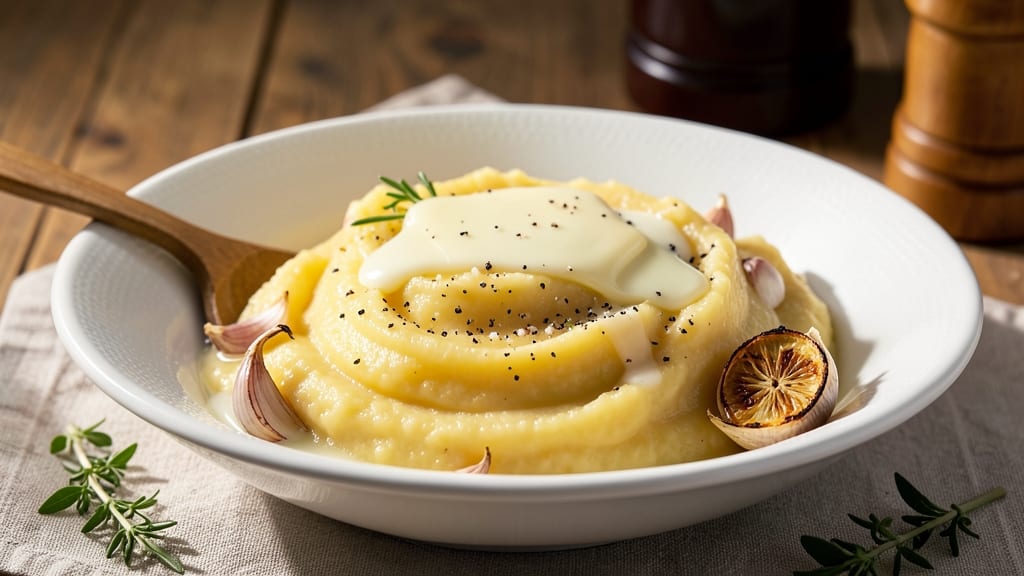
This American mashed potato recipe delivers the ultra-smooth, velvety texture that makes every holiday table feel like home. The secret lies in perfectly cooked Yukon Gold potatoes, creamed with rich butter and warm milk for that signature buttery richness.
I've refined this method over years of Thanksgiving hosting, ensuring no lumps or gluey results—just silky perfection that disappears faster than you can say "seconds, please?"
What sets this recipe apart is the technique: boiling potatoes until fork-tender, draining completely, then mashing with hot dairy for maximum creaminess. No food processor needed—just a sturdy potato masher or ricer for that restaurant-quality finish.
The key is patience; letting the potatoes cool slightly before mashing prevents gummy potatoes while preserving that melt-in-your-mouth texture.
By the time you're done, you'll have mashed potatoes so luxurious they'll have your dinner guests asking for the recipe. The flavor is pure comfort: rich from European-style butter, balanced with warm milk, and finished with just a whisper of salt and white pepper.
This is the kind of side that elevates any main dish—whether it's Thanksgiving turkey, holiday ham, or a simple weeknight steak.
For extra depth, consider adding roasted garlic or a touch of cream cheese for modern twists, or keep it classic with just butter and milk. The beauty of this recipe is its versatility—it works for special occasions or everyday meals, always delivering that perfect creamy consistency.
Let's get started on creating the smoothest mashed potatoes you've ever tasted.
Ingredients for american mashed potato
Six ingredients for holiday-worthy mashed potatoes that disappear faster than seconds.
| Ingredient | Amount | Notes |
|---|---|---|
| Yukon Gold Potatoes 🥔 | 3 lb | Peeled, cut into even chunks |
| European-Style Unsalted Butter 🧈 | 1 cup | Cold, cubed for creaming |
| Whole Milk 🥛 | 1 cup | Warmed, not boiling |
| Salt 🧂 | 1 tsp | Kosher or sea salt |
| Freshly Ground White Pepper 🌶️ | ¼ tsp | For subtle seasoning |
| Roasted Garlic Cloves 🧄 | 2 cloves | Optional, for depth |
| Cream Cheese 🧀 | 4 oz | Optional, for modern twist |
| Chicken or Vegetable Broth 💧 | ¼ cup | For extra moisture |
Yukon Golds are non-negotiable here—their waxy texture gives that signature velvety finish. Buy a 3-pound bag from the grocery store's produce section, not the pre-cut bag (those get waterlogged fast). The butter? European-style like Plugrá or Kerrygold makes all the difference—it's higher in fat, so less goes a long way. For the milk, warm it in the microwave for 45 seconds (just until it steams), then let it sit for a minute. Cold milk makes gummy potatoes. The roasted garlic? Toss a head in the oven at 400°F for 30 minutes—peel the cloves after roasting, no peeling needed beforehand.
No European butter? Regular unsalted works, but you'll need an extra 2 tbsp. Short on milk? Half-and-half or heavy cream makes them richer, but whole milk is classic. Want to skip the roasted garlic? Fresh garlic at half the amount works in a pinch, but it'll taste more raw. The cream cheese is optional but adds that modern restaurant touch—Philadelphia brand is foolproof. For broth, I use low-sodium to control the salt level, but regular works too if you adjust the salt at the end.
Potatoes keep 2-3 days in the fridge after peeling, but don't peel them until you're ready to cook. Butter stays fresh for months in the fridge if wrapped well. The roasted garlic cloves? Freeze extras in olive oil for up to 3 months—they're perfect for pasta or bread. For leftovers, reheat with a splash of milk and a pat of butter. Trust me, they taste even better the next day once everything melds together.
Why You'll Love This Recipe
- Butter-Soft Texture: I swear by Yukon Golds here—they mash like silk, not glue. No lumpy battles, no overworking, just that just-right consistency where every bite feels indulgent without being heavy.
- Weeknight Magic: Boil. Drain. Mash. Done. That’s it. Even on nights when I’d rather watch reruns than cook, these potatoes show up in 25 minutes—creamy, rich, and ready to save dinner.
- Budget Luxury: Unsalted butter and whole milk sound fancy, but honestly? They stretch further than you’d think. A single stick of that golden butter turns basic potatoes into something that feels like a restaurant dish—without the price tag.
- Leftovers That Don’t Suck: Cold mashed potatoes? Actually delicious. I’ll pack them for lunch the next day, reheat them with a splash of milk, and they taste just as good as they did fresh. (Yes, even the next day.)
Step-by-step instructions for ultra-smooth mashed potatoes
Here's how to make mashed potatoes so creamy they'll disappear faster than Thanksgiving leftovers.
Boil Potatoes Until Fork-Tender
Place the peeled, evenly cut 3 lb Yukon Gold Potatoes in a large pot and cover with cold water by about 2 inches. Add 1 tsp Salt and bring to a rolling boil over high heat. Once boiling, reduce heat to medium-high and cook for 15-20 minutes until a knife slides in easily with minimal resistance.
Don't skip the cold start—adding cold potatoes to boiling water ensures even cooking. I like to check doneness at 15 minutes because some ovens run hotter. The potatoes should feel soft all the way through but not mushy. Drain immediately and return them to the pot for the next step.
Dry and Cream the Potatoes
With the pot over low heat, let the drained potatoes steam dry for 1-2 minutes to evaporate excess moisture. This is crucial for getting that ultra-smooth texture. While they're still hot, add the 1 cup cold, cubed European-Style Unsalted Butter and mash vigorously with a potato masher or ricer.
I always use cold butter here because it incorporates better than melted butter. Mashing while hot helps break down the starches and creates a smoother base. If you're using a ricer, this is the perfect time—it gives you that silky texture right from the start.
Warm and Incorporate Liquids
Gradually add the 1 cup warmed Whole Milk and 0.25 cup Chicken or Vegetable Broth while mashing continuously. The mixture should start to come together into a thick, creamy consistency. If it's too thick, add a splash more milk—you want it smooth enough to coat the back of a spoon.
Here's where the magic happens: the warm milk and broth help emulsify the butter and create that signature velvety texture. I like to use a wooden spoon for this part because it helps distribute everything evenly. If you're using the optional 4 oz Cream Cheese, fold it in now for that modern restaurant-style richness.
Season and Add Finishing Touches
Season with the 0.25 tsp Freshly Ground White Pepper and taste. Add more salt if needed—mashed potatoes often need a little extra seasoning because the butter and milk can dilute the flavor. If you're using the optional 2 cloves Roasted Garlic Cloves, mash them directly into the potatoes now for that subtle depth of flavor.
For the smoothest texture, I like to pass the potatoes through a fine-mesh sieve or use an immersion blender. This removes any lumps and gives you that silky, restaurant-quality finish. If you prefer a slightly rustic texture, skip this step and just mash thoroughly with a potato masher.
Keep Warm and Serve Immediately
Transfer the mashed potatoes to a serving bowl and cover tightly with plastic wrap pressed directly onto the surface. This prevents a skin from forming. For the best texture, serve immediately while still hot. If you need to keep them warm, place the bowl over a pot of barely simmering water on the stove.
These potatoes should be light, fluffy, and rich with just the right amount of creaminess. Each bite should melt in your mouth with that perfect balance of buttery richness and smooth texture. The secret is in the technique—not just the ingredients, but how you handle them from boiling to serving.
Pro Tips For Making American Mashed Potato
- BOIL THEM WHOLE: Yukon Golds should go in the pot unpeeled—yes, even with skins on. The peel acts like a natural barrier, keeping them from breaking apart while cooking. I learned this the hard way when I peeled first and ended up with a gluey mess that no amount of butter could fix.
- USE HOT MILK: Warm the whole milk to just under boiling before mixing it in—about 160°F (70°C). Cold milk makes the potatoes gummy, and you’ll end up with a texture that’s more sad than creamy. Trust me, your mashed potatoes will thank you.
- SALT THE WATER: Don’t skip salting the boiling water—use about 1 teaspoon per pound of potatoes. The flavor seeps in while they cook, so you’re not just seasoning the outside. I used to forget, and the potatoes always tasted bland, no matter how much butter I added later.
- PRESS OUT MOISTURE: After mashing, let the potatoes sit for 2-3 minutes, then press them through a fine-mesh sieve or ricer. This removes excess starch and gives you that silky, restaurant-quality texture. It’s a little extra work, but the result is worth it—no one wants lumpy mashed potatoes.
Pro cooking tips for american mashed potato
Boiling Perfection
Start with cold water and 3 pounds of Yukon Gold potatoes cut into even 1.5-inch chunks—this ensures they cook uniformly. Add 1 teaspoon kosher salt to the water and bring to a rolling boil over high heat.
Once boiling, reduce to medium-high heat and cook for 15-20 minutes until a knife slides in effortlessly. Overcooking turns potatoes gluey, so test at 15 minutes—they should be tender but not falling apart.
Drain immediately in a colander and return to the pot to steam-dry for 1 minute. This step removes excess moisture, which is key for that ultra-smooth texture. 🥔
Mashing Mastery
Use a potato ricer for the smoothest results—it eliminates lumps better than a masher. If using a masher, work in batches to ensure even texture. Add 1 cup of cold, cubed European-style butter (like Plugrá) and mash vigorously while the potatoes are still hot.
The heat helps break down starches for that velvety finish. For extra richness, fold in 4 ounces of cream cheese at this stage—it melts beautifully and adds a modern twist. 🧈
Liquid Integration
Gradually add 1 cup of warmed whole milk (microwaved for 45 seconds, then rested) while mashing continuously. The milk should be hot but not boiling—this helps emulsify the butter for a silky texture. If the mixture thickens too much, add 1-2 tablespoons of warm broth to loosen it.
The goal is a consistency that coats the back of a spoon without being watery. Taste as you go—seasoning is adjusted at the end, but the dairy balance matters now. 🥛
Seasoning Secrets
Season with ½ teaspoon of freshly ground white pepper and 1 teaspoon kosher salt—taste and adjust. White pepper adds a subtle elegance without the visual distraction of black pepper. For depth, mash in 2 roasted garlic cloves (roast a whole head at 400°F for 30 minutes beforehand).
If using, fold in ¼ cup of warm broth to enhance flavor without thinning the texture. The key is patience—let the potatoes rest for 5 minutes after mashing so flavors meld. 🌶️
Serving Like a Pro
Transfer to a serving bowl and cover tightly with plastic wrap pressed directly onto the surface to prevent skin formation. Serve immediately for the best texture—mashed potatoes reheat poorly. For extra flair, garnish with chopped chives or a drizzle of truffle oil.
If reheating leftovers, add a splash of warm milk and a pat of butter to restore creaminess. These potatoes are perfect alongside roast turkey, steak, or even grilled salmon. 🍽️
Nutrition facts
Frequently asked questions
Why do my mashed potatoes turn out gluey?
Gluey potatoes usually happen from overcooking or not draining properly. Always boil potatoes in cold water until fork-tender (15-20 minutes), then drain completely and return to the pot to steam dry for 1-2 minutes before mashing. Overmixing after adding dairy also creates glueiness—stop when they're smooth, not mushy.
Can I make mashed potatoes ahead of time?
Yes, but with a few tricks! Prepare them up to 1 day ahead—cook, mash, then refrigerate. Reheat in the microwave with a splash of warm milk and a pat of butter to restore creaminess. For best texture, serve immediately after reheating. Freezing isn't recommended as it breaks down the starches and makes them watery.
What's the difference between Yukon Gold and russet potatoes?
Yukon Golds are waxy and creamy, perfect for mashed potatoes—they hold their shape slightly better than russets, giving a smoother texture. Russets are starchy and fluffier, ideal for baking but can make gluey mashed potatoes. For restaurant-quality results, always use Yukon Golds or red potatoes.
How do I fix mashed potatoes that are too thick?
Add 1-2 tablespoons of warm milk or broth at a time while stirring gently. Avoid cold liquids—they can make the potatoes gummy. If it's still too thick, warm another splash of milk and mix in gradually. The key is to work quickly to maintain the creamy consistency without thinning too much.
Can I use powdered milk instead of regular milk?
Yes, but it will give a slightly different texture—powdered milk makes potatoes denser and less creamy. Use 1 cup powdered milk mixed with 1 cup warm water (follow package instructions) for a 1:1 substitute. For best results, stick with fresh whole milk or half-and-half for that signature velvety finish.