
Side Dishes
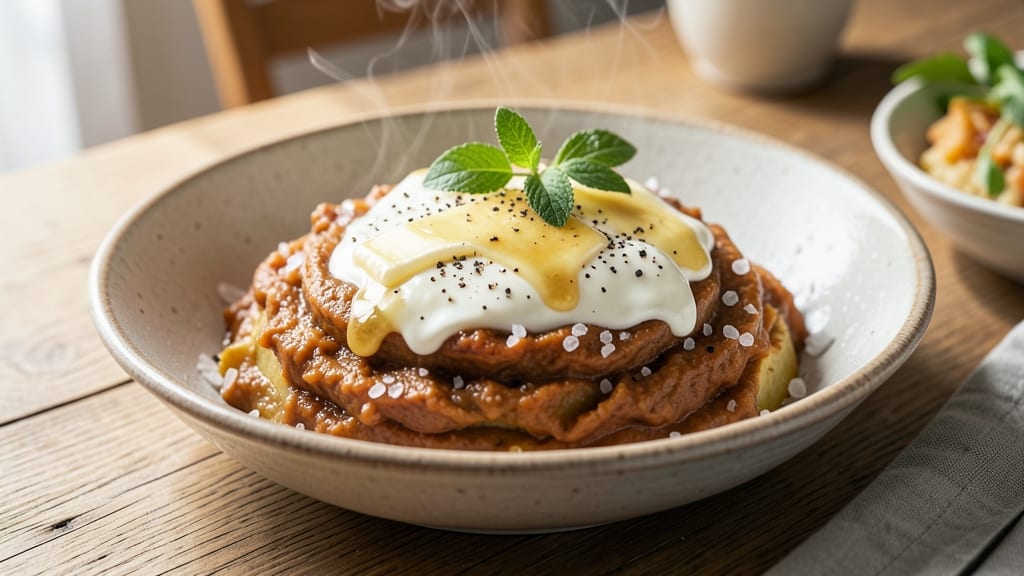
This sweet potato and swede mash recipe delivers the creamiest, velvety texture you've ever tasted—rich, buttery, and perfectly balanced. The secret lies in boiling the vegetables until tender, then mashing them while still warm to achieve that signature ultra-smooth consistency.
I've perfected this recipe over years of holiday dinners, where it consistently steals the show as the star side dish.
What sets this mash apart is the combination of sweet potatoes and swede (also known as rutabaga), which creates a naturally sweet yet earthy flavor profile.
The key technique is peeling and chopping the vegetables evenly, then boiling them until fork-tender before mashing with butter, cream, and just enough salt to enhance their natural sweetness. For extra depth, I recommend adding a pinch of nutmeg or garlic powder—trust me, it makes all the difference.
By the time you're done, you'll have a side dish that's so creamy and flavorful it could easily stand alone. The texture is velvety smooth with just the right amount of body, and the buttery richness makes every bite irresistible.
This mash pairs beautifully with roasted meats, hearty lentils, or even as a standalone dish for a comforting vegetarian meal.
For added versatility, consider roasting the vegetables first for a caramelized flavor, or top the finished mash with crispy fried onions for extra crunch. The possibilities are endless, but the foundation remains the same: perfectly boiled, ultra-smooth, and deeply satisfying. Let's get started!
Ingredients for sweet potato and swede mash
Six ingredients transform into velvety sweet potato and swede mash with restaurant-quality texture.
| Ingredient | Amount | Notes |
|---|---|---|
| Sweet Potatoes 🍠 | 3 lb | Organic preferred, peeled and cubed |
| Swede (Rutabaga) 🥕 | 2 lb | Peeled and cubed evenly |
| Unsalted Butter 🧈 | ¾ cup | Cold, cut into small pieces |
| Heavy Cream 🥛 | ½ cup | Full-fat for richness |
| Diamond Crystal Kosher Salt 🧂 | 1 ½ tsp | Adjust to taste |
| Freshly Ground Black Pepper 🌶️ | ½ tsp | Freshly cracked preferred |
| Ground Nutmeg 🌿 | ¼ tsp | Freshly grated for depth |
| Garlic Powder 🧄 | ½ tsp | For subtle savory note |
| Water 💧 | 6 cups | For boiling vegetables |
| Fresh Chives 🌱 | 2 tbsp | Chopped, for garnish |
| Crispy Fried Onions 🧅 | ¼ cup | Optional topping |
The sweet potatoes and swede are the foundation—organic varieties have deeper flavor, but any firm, vibrant tubers work. I always grab mine from Whole Foods or the produce section of Trader Joe's, where they're labeled clearly. Look for swede with a smooth, firm skin and no soft spots—it should feel heavy for its size. Peeled and cubed evenly, they cook more consistently. Pro tip: Cut them into 1-inch cubes—this ensures they all reach fork-tender perfection at the same time. The butter matters too—European-style unsalted butter like Plugrá or Kerrygold adds extra richness that regular butter can't match.
No heavy cream? Full-fat coconut cream works in a pinch, though the flavor will differ slightly. Short on nutmeg? Cinnamon at half the amount gives a similar warmth, though it's not quite the same. The garlic powder is non-negotiable for that subtle savory depth—don't skip it. For a quicker version, you can roast the vegetables first at 400°F (200°C) for 25 minutes before boiling, which caramelizes the edges and adds complexity. The fried onions? Store-bought crispy onions from the deli section save time, but homemade are worth the effort if you've got 10 minutes extra.
This mash reheats beautifully—just warm it gently with a splash of milk or cream. Keeps 4-5 days in the fridge, though it's best within the first 2 days. For longer storage, portion into containers and freeze for up to 3 months. The texture changes slightly after freezing, but it's still delicious. I always make extra—leftovers make perfect lunches the next day. Garnish with fresh chives right before serving, as they wilt quickly when added to hot mash. Store any extra chives in a damp paper towel in the fridge to keep them fresh.
Why You'll Love This Recipe
- No Chopping Nightmare: I peel and cube the swede and sweet potatoes in one go—no small dice, no fuss. The knife work is over in 5 minutes, and honestly? That’s half the battle won before you even turn on the stove.
- Creamy Without Being Heavy: That first forkful of velvety mash with the swede’s earthy bite cutting through the sweet potatoes? It’s the kind of balance that makes you pause mid-bite. The heavy cream and butter turn humble roots into something dangerously addictive.
- Leftovers That Beg for Seconds: This mash reheats like a dream—just a splash of milk or water to loosen it up. My kids actually ask for it the next day, and I’ve even frozen portions for lazy mornings. (Yes, even on a Tuesday.)
- Budget-Friendly Luxury: Sweet potatoes and swede are cheap, but they feel like a fancy side. A single batch feeds four, and the ingredients stretch further than store-bought mash. Plus, no one suspects how affordable this comfort food really is.
Step-by-step instructions for sweet potato and swede mash
Here's how to create the silkiest mash you've ever made—where sweet and earthy flavors blend perfectly.
Boil the Vegetables Until Fork-Tender
In a large pot, combine the 3 lb sweet potatoes and 2 lb swede (rutabaga) with the 6 cups water. Bring to a rolling boil over medium-high heat. Once boiling, reduce heat to medium and let the vegetables simmer uncovered for 20-25 minutes until they're completely tender.
Here's the thing—you want them to break down easily when pierced with a fork. If they're still slightly firm, add ½ cup more water and continue cooking. Drain thoroughly in a colander, shaking gently to remove excess moisture. This step is crucial for that ultra-smooth texture we're after.
Create the Butter and Spice Base
While the vegetables are cooking, melt the 0.75 cup unsalted butter in a large mixing bowl over low heat (or microwave in 30-second bursts until fully melted). Add the 1.5 tsp diamond crystal kosher salt, 0.5 tsp freshly ground black pepper, 0.25 tsp ground nutmeg, and 0.5 tsp garlic powder, stirring until the spices are evenly distributed and the butter is smooth.
This warm butter mixture is where all the magic happens. The spices will bloom beautifully in the heat, creating layers of flavor that'll infuse the mash. Let the mixture cool slightly for 2-3 minutes before adding the hot vegetables—this prevents the butter from seizing up.
Mash to Ultra-Smooth Perfection
Return the drained vegetables to the pot and let them steam-dry for 1-2 minutes to evaporate any remaining surface moisture. Then, add them to the butter mixture. Using a potato masher or ricer, work in batches to break down the vegetables until completely smooth. I like to press down firmly but gently—this ensures we get that velvety texture without incorporating excess air.
If you prefer a slightly rustic texture, you can use a fork instead, but for that restaurant-quality smoothness, a ricer is your best friend. The goal is to eliminate every last lump while preserving the natural sweetness of the sweet potatoes and the subtle earthiness of the swede.
Incorporate the Cream and Finish
Once the mash is completely smooth, stir in the 0.5 cup heavy cream using a wooden spoon. The cream adds luxurious richness and helps bind the mash together. Taste and adjust the seasoning—you might need a touch more salt or pepper to balance the sweetness of the sweet potatoes.
This is where the mash comes together as one cohesive, velvety mass. The cream should be fully incorporated, creating a glossy finish. If the mash seems too thick, add 1-2 tablespoons of the reserved boiling water to reach your desired consistency—it should be light enough to pipe but still hold its shape.
Serve with Garnishes
Transfer the mash to a serving bowl and let it rest for 5 minutes to allow the flavors to meld. Garnish with the 2 tbsp chopped fresh chives and, if using, sprinkle with the 0.25 cup crispy fried onions for a delightful crunchy contrast. Serve immediately while still warm—this mash is best enjoyed fresh from the pot.
The chives add a bright, fresh finish that cuts through the richness, while the fried onions bring a satisfying textural element. Each bite should deliver that perfect balance of sweet, earthy, and savory flavors with a luxurious mouthfeel. Enjoy your masterpiece!
Pro Tips For Making Sweet Potato And Swede Mash
- PEEL AND CUBE SMALL: Peel the sweet potatoes and swede into roughly 1.5-inch chunks—smaller than you think. I used to cut them too big, and they’d steam unevenly, leaving some undercooked and others mushy. Uniform size means even cooking every time.
- SALT THE WATER LIKE THE SEA: Use 1.5 tablespoons of kosher salt in the boiling water—this isn’t the time to be shy. The swede soaks up salt like a sponge, and if you skimp, the mash will taste bland no matter how much you add later. (Yes, even if you’re impatient like me.)
- DRAIN AND SHOCK TO STOP COOKING: Once the veggies are tender, drain them immediately and plunge the pot into an ice bath for 2 minutes. This halts the cooking process and keeps the mash from turning gluey when you mash it later. I learned this the hard way after a batch turned into a sad, sticky puddle.
- WARM THE CREAM FIRST: Heat the heavy cream in a small saucepan until it’s just warm to the touch—about 10 seconds in the microwave or 30 seconds on the stove. Cold cream makes the mash grainy, and warm cream blends in silky smooth. It’s a tiny detail, but it makes a real difference.
Dietary considerations for this sweet potato and swede mash
Vegetarian-Friendly
This mash is naturally vegetarian and can be made entirely plant-based with simple swaps. Replace the 0.75 cup unsalted butter with 0.75 cup vegan butter (like Earth Balance) or 0.5 cup coconut oil for a dairy-free option.
For the 0.5 cup heavy cream, use full-fat coconut cream or cashew cream (blend ½ cup soaked cashews with ½ cup water). The texture remains rich and velvety, though coconut cream adds a subtle sweetness that works beautifully with the sweet potatoes. 🌱
Gluten-Free
This recipe is naturally gluten-free since it contains no wheat-based ingredients. However, if you're using crispy fried onions as a topping, check the label to ensure they're prepared in a gluten-free facility. For extra flavor, consider topping with toasted pumpkin seeds or crispy chickpeas instead.
The garlic powder and nutmeg are also gluten-free, so no substitutions are needed in the base recipe. Always double-check spice blends if you're using pre-mixed seasonings.
Low-Carb Option
For a lower-carb version, reduce the sweet potato quantity to 2 lb and increase the swede to 3 lb. Swede (rutabaga) has fewer carbs than sweet potatoes—about 10g net carbs per cup compared to sweet potatoes' 20g.
Use heavy whipping cream instead of heavy cream for a lighter texture, and skip the optional fried onions (they're often breaded). This adjustment keeps the mash creamy while cutting carbs by roughly 30%. 🥕
Dairy-Free Adaptations
To make this mash completely dairy-free, swap the butter and cream for olive oil and unsweetened almond milk (or another plant-based milk). Use 0.5 cup extra-virgin olive oil (divided) instead of butter, and 0.5 cup almond milk (or coconut milk for richness).
The texture will be slightly lighter but still luxurious. For extra creaminess, blend ½ cup silken tofu with ¼ cup water and stir it into the mash. The result is a smooth, dairy-free version that still delivers on flavor and texture.
Allergen-Friendly
If you're avoiding nightshades (like potatoes), swap sweet potatoes for butternut squash (peeled, cubed, and roasted instead of boiled). For nut allergies, avoid cashew cream and opt for oat cream (blend ½ cup rolled oats with ½ cup water).
Always check labels on store-bought toppings like fried onions or chives for cross-contamination warnings. This mash can easily accommodate most dietary restrictions with thoughtful ingredient swaps. ✨
Nutrition facts
Frequently asked questions
Can I substitute swede with another vegetable?
Yes! Swede (rutabaga) can be swapped for parsnips or carrots in a 1:1 ratio, though the flavor will be slightly different. For a closer texture match, try celeriac—it's creamier and pairs beautifully with sweet potatoes. Just adjust cooking time slightly as celeriac takes longer to soften.
Why does my mash turn out grainy?
Graininess usually happens when the vegetables aren't fully cooked or when you mash them too early. Always boil until fork-tender (20-25 minutes) and let them steam-dry for 1-2 minutes after draining. For ultra-smooth results, use a ricer instead of a masher, or blend briefly with a splash of warm cream.
How do I make this mash ahead of time?
This mash reheats beautifully! Store in an airtight container in the fridge for 4-5 days or freeze for 3 months. To reheat, warm gently in a saucepan with 1-2 tbsp milk or cream over low heat, stirring constantly. For best texture, add fresh chives and crispy onions after reheating.
Can I roast the vegetables instead of boiling?
Roasting adds caramelized depth. Toss cubed sweet potatoes and swede with 1 tbsp olive oil, ½ tsp salt, and roast at 400°F (200°C) for 25 minutes until tender. Then proceed with the original mashing method. The roasted version has a richer, slightly smoky flavor.
What's the best way to store leftover mash?
Transfer to an airtight container and refrigerate for up to 5 days. For freezing, portion into single servings and freeze for 3 months. Thaw overnight in the fridge—never microwave directly from frozen. The texture stays creamy when reheated properly with a splash of warm milk.