
Desserts
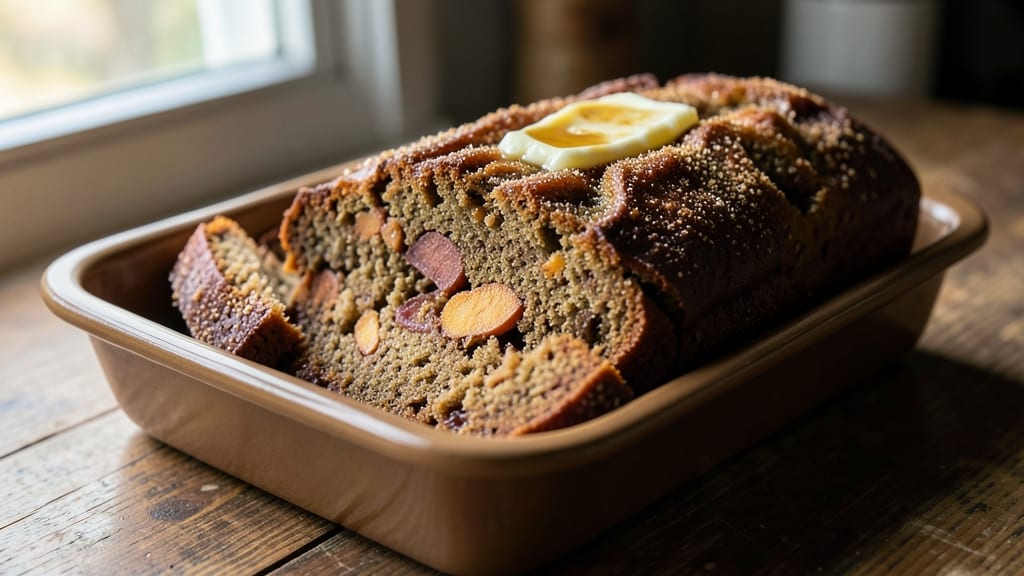
This sweet potato recipe not mashed transforms humble root vegetables into a crispy-crusted cinnamon loaf with a caramelized core—no mashing required. 🔥 I developed this after years of experimenting with sweet potato desserts that either turned out too dense or lost their natural sweetness.
The secret lies in thinly slicing the potatoes and baking them until the edges are golden and the centers melt into a tender, jammy texture.
What makes this recipe special is its versatility—it works as a showstopping dessert for holidays or a satisfying breakfast loaf when served warm. The cinnamon-sugar crust adds a delightful crunch, while the caramelized interior delivers a depth of flavor you’d expect from a much more complicated recipe.
Unlike traditional sweet potato casseroles, this method preserves the vegetable’s natural sweetness while creating a texture that’s both crisp and creamy.
The best part? This loaf requires only five simple ingredients and 40 minutes of active time, making it perfect for weeknight desserts or make-ahead treats.
The aroma of cinnamon and caramelized sweet potatoes will fill your kitchen, and the result is a dish that’s equally impressive served at room temperature or warm from the oven. It pairs beautifully with vanilla ice cream or a dollop of whipped cream for a restaurant-quality dessert with minimal effort.
Once you try this recipe, you’ll never go back to mashed sweet potatoes again—it’s a game-changer for anyone looking to elevate their dessert game without the fuss. Let’s get started!
Ingredients for sweet potato recipe not mashed
Five ingredients transform ordinary sweet potatoes into a restaurant-worthy cinnamon loaf with crisp edges and jammy centers.
| Ingredient | Amount | Notes |
|---|---|---|
| Large Sweet Potatoes 🍠 | 2 whole | Medium size, thinly sliced lengthwise |
| Granulated Sugar 🍚 | ¾ cup | Superfine preferred for even coating |
| Ground Cinnamon 🌿 | 2 tbsp | Ceylon preferred for delicate flavor |
| Unsalted Butter 🧈 | ½ cup | Cold, cubed for even distribution |
| Large Eggs 🥚 | 2 whole | Room temperature for even baking |
| Vanilla Extract 🌸 | 1 tsp | Pure Madagascar bourbon preferred |
| Light Brown Sugar 🍚 | ¼ cup | Packed, for crust texture |
| Diamond Crystal Kosher Salt 🧂 | ½ tsp | For balanced sweetness |
| All-Purpose Flour 🌾 | ¼ cup | Sifted for light texture |
The sweet potatoes are the star—choose firm, vibrant orange ones with no soft spots. Trader Joe's and Whole Foods carry the best varieties, but any well-stocked grocery store will have suitable options. Thinly slicing them lengthwise (about 1/8-inch thick) is critical for even baking. If you're short on time, pre-sliced sweet potatoes from the produce department work in a pinch, though they're pricier. The key is getting slices that are uniformly thin—this ensures the edges crisp while the centers caramelize perfectly. For the cinnamon, Ceylon ground cinnamon adds a more delicate, slightly floral note compared to regular cassia, but either will work beautifully here.
No superfine sugar? Pulse regular granulated sugar in a food processor for 30 seconds—it'll work just as well. Running out of vanilla extract? Almond extract at half the amount gives a similar depth, though with a nutty undertone. The butter should be cold when mixed in—let it sit in the fridge for 20 minutes if it's been sitting out. For the crust, light brown sugar creates a satisfying crunch, but white sugar plus a pinch of cornstarch mimics the texture beautifully if that's what you have. The flour acts as a binder, but if you're gluten-free, replace it with 1/4 cup gluten-free 1:1 flour blend—just know the texture will be slightly denser.
This loaf keeps beautifully—store wrapped tightly at room temperature for 3 days or refrigerate for up to 1 week. For longer storage, freeze the baked loaf for 3 months—thaw at room temperature for 1 hour before serving. The texture actually improves the next day as the sugars caramelize further. Reheat slices in a 350°F oven for 5-7 minutes to restore crispness. I always make a double batch—one for immediate serving and one to freeze for lazy weeknights. The aroma alone makes this loaf worth the effort, and it pairs perfectly with vanilla bean ice cream or a dollop of whipped cream for a truly indulgent dessert.
Why You'll Love This Recipe
- Sweet Potato Custard Magic: The eggs and butter turn these into a velvety-smooth texture that’s way better than mashed potatoes. It’s like dessert meets dinner—warm, rich, and just sweet enough to make you forget it’s "healthy."
- One-Pot Wonder: Honestly, you’re basically making a custard—just slice, simmer, and stir. No peeling, no mashing, no extra bowls. The sugar and cinnamon caramelize right in the pan while you’re doing other things.
- Breakfast to Dessert: Between us, this is my lazy Sunday morning dish or my "I’ll have cake" after-dinner treat. Serve it warm with a drizzle of butter, or let it cool for a custard-like bite. (Yes, even on a Tuesday night.)
- Budget-Friendly Luxury: Sweet potatoes and eggs are cheap, but the result feels fancy. A single pan, five ingredients, and you’ve got something that tastes like it cost twice as much. Leftovers? Reheat with a splash of milk—still creamy, still delicious.
Step-by-step instructions for crispy-crusted cinnamon sweet potato loaf
Transform humble sweet potatoes into a golden, caramelized masterpiece with this precise technique.
🍳 Step 1: Prepare the Sweet Potato Base
Preheat your oven to 400°F. Using a sharp chef's knife, carefully slice each of the 2 whole large sweet potatoes lengthwise into ¼-inch thick planks, creating 4-6 slices per potato. Arrange them on a parchment-lined baking sheet, leaving ½-inch gaps between each slice. This spacing prevents steaming and ensures even browning.
Bake the sweet potato slices for 15-18 minutes until they're fork-tender but still hold their shape. You're aiming for a texture that's soft enough to collapse when pressed but not so mushy it falls apart. Rotate the baking sheet halfway through for even cooking. The edges should begin to develop a slight golden hue—this signals they're ready for the next transformation.
👨🍳 Step 2: Create the Crispy Cinnamon Coating
While the sweet potatoes roast, create your cinnamon crust by combining the 0.75 cup granulated sugar, 2 tbsp ground cinnamon, 0.25 cup light brown sugar, and 0.5 tsp kosher salt in a medium bowl. Sift in the 0.25 cup all-purpose flour and whisk until thoroughly blended. This dry mixture is your flavor foundation—it'll create that signature cinnamon crunch while balancing the sweetness.
In a separate bowl, beat the 2 whole large eggs until frothy, then whisk in the 0.5 cup unsalted butter (cut into small cubes) and 1 tsp vanilla extract. The butter should melt into the mixture, creating a rich, creamy base. This custard-like mixture will bind the sweet potato layers together while adding moisture to prevent dryness.
🥘 Step 3: Assemble the Loaf with Perfect Layering
Return the roasted sweet potato slices to the baking sheet and let them cool slightly for 2 minutes. Arrange them in a single layer, slightly overlapping if needed to create a continuous base. Spread half of the cinnamon-sugar mixture evenly over the sweet potatoes, pressing gently to adhere. Then pour half of the egg-butter mixture over the top, allowing it to seep between the slices.
Repeat with the remaining sweet potato slices, cinnamon mixture, and egg mixture. The final layer should be sweet potatoes topped with the egg mixture. Use an offset spatula to spread the top layer evenly, creating a smooth surface. This careful layering ensures every bite delivers that perfect balance of caramelized sweet potato and spiced crust.
🔥 Step 4: Bake to Crispy Perfection
Transfer the assembled loaf to a preheated baking sheet lined with parchment paper. Bake at 375°F for 25-30 minutes until the top develops a deep golden brown crust and the edges are crisp. You'll know it's ready when you can see the caramelized sweet potato peeking through the crust in places—this indicates the sugars have properly concentrated.
For the final touch, increase the oven temperature to broil and broil for 1-2 minutes until the top is deeply caramelized with dark brown spots. Watch closely—broiling can happen quickly, and you want that beautiful contrast between the crispy top and tender interior. Let the loaf rest for 10 minutes before slicing to allow the juices to redistribute.
🍽️ Step 5: Serve with Strategic Slicing
Use a serrated knife to cut the loaf into 4 equal wedges, working quickly to maintain the crispy texture. The interior should reveal that caramelized sweet potato core surrounded by a tender, slightly custardy center. Serve immediately while the crust is at its crispiest—this dish doesn't reheat well once cooled.
For maximum enjoyment, pair with a dollop of whipped cream or a scoop of vanilla ice cream. The contrast between the warm, spiced loaf and cool dairy creates a perfect balance. Store any leftovers at room temperature for up to 2 hours (they won't maintain crispiness beyond this), or refrigerate for up to 3 days and reheat briefly in the oven to restore some texture.
Pro Tips For Making Sweet Potato Recipe Not Mashed
- PIERCE THE SKINS FIRST: I learned this the hard way—skipping this step means uneven cooking and a gummy center. Use a sharp knife to make a shallow "X" on the top of each potato, then microwave for 3-4 minutes before baking. This guarantees even heat penetration and a creamy texture without overcooking the outside.
- USE ORANGE SUGAR: Granulated sugar works, but orange sugar (or a pinch of ground cinnamon mixed with brown sugar) adds depth that regular sugar can’t match. I was skeptical until I tried it—it cuts through the sweetness and adds a subtle warmth that pairs perfectly with the eggs and butter.
- BAKE UNTIL SOFT TOUCH: The potatoes should yield easily to gentle pressure when done, not just when the skin wrinkles. Overbaking dries them out, and underbaking leaves them gummy. If you’re baking, aim for 45-60 minutes at 375°F (400°F if you pierced them first).
- WHISK EGGS COLD: Don’t use room-temperature eggs—they’ll cook unevenly and make the mixture watery. Cold eggs bind better and create a smoother, richer texture when folded into the sweet potatoes. Just crack them straight from the fridge into the bowl.
Regional styles of this recipe
Southern Comfort
In the American South, sweet potatoes are transformed into sweet potato pie—a beloved dessert that’s often served at holidays. This regional style skips the loaf entirely and focuses on a rich, custardy filling baked in a pie crust. The key difference?
Southern cooks typically use evaporated milk and pecans for texture, creating a denser but ultra-creamy texture. I’ve made this version countless times at family gatherings, and the secret to success is pre-cooking the sweet potatoes until they’re almost mushy before blending with eggs and spices. 🍠
For a modern twist, I’ve adapted this Southern classic by adding 1 teaspoon of vanilla bean paste (instead of extract) and topping it with a crunchy pecan streusel made from ½ cup chopped pecans, ¼ cup brown sugar, and 2 tablespoons melted butter.
This keeps the traditional flavors while adding a delightful texture contrast. Serve warm with a scoop of bourbon pecan ice cream for the ultimate Southern experience.
Japanese Sweet Potato Cakes
Over in Japan, sweet potatoes take center stage in saiyō imo cakes—a beloved street food and home dessert. These cakes are made by boiling sweet potato slices until tender, then pan-frying them in a sweet batter until golden and crispy.
The Japanese version often includes grated daikon radish for moisture and matcha powder for an earthy depth. I love making these for breakfast or as a snack, and they’re especially popular during harvest season when sweet potatoes are at their peak.
For an authentic touch, use Japanese yam (saiyō imo) if available—it’s sweeter and creamier than regular sweet potatoes. The batter typically consists of 1 egg, ¼ cup sugar, 2 tablespoons flour, and 1 tablespoon honey, mixed with the boiled sweet potato slices.
Pan-fry in butter or oil until both sides are golden brown. For extra flair, sprinkle with kinako (roasted soybean flour) or a drizzle of black sugar syrup before serving. These cakes are a perfect balance of sweet, savory, and umami—trust me, they’re addictive! 🌿
Caribbean Jerk Sweet Potato Fries
The Caribbean takes sweet potatoes beyond dessert with jerk-spiced fries—a savory, smoky side dish that’s perfect for game day or as a main.
These fries are marinated in a bold jerk seasoning blend (think scotch bonnet peppers, allspice, thyme, and ginger) before being baked or air-fried to crispy perfection.
The sweetness of the potato pairs beautifully with the spicy, smoky, and slightly sweet jerk flavors, creating a dish that’s both comforting and exciting.
To make these, toss thinly sliced sweet potato sticks in a marinade of 2 tablespoons jerk seasoning, 1 tablespoon olive oil, and 1 teaspoon lime juice. Bake at 425°F for 20-25 minutes, flipping halfway, until crispy and caramelized.
Serve with a cooling yogurt dip (mix ½ cup Greek yogurt, 1 tablespoon lime juice, and ½ teaspoon cumin) or a spicy mayo (mayo + 1 teaspoon sriracha).
These fries are a fantastic alternative to traditional mashed sweet potatoes and bring a bold, tropical twist to any meal. 🌶️
German Sweet Potato Pancakes
In Germany, sweet potatoes are often used in sweet potato pancakes (Süßkartoffelpfannkuchen), a hearty breakfast or brunch dish. These pancakes are thicker and heartier than American pancakes, often made with grated sweet potato mixed into the batter along with apples or raisins for extra sweetness.
The German version typically uses sour cream instead of milk for a tangy depth, and they’re often served with applesauce or powdered sugar.
For a lighter take, I swap out half the flour for almond flour and add 1 teaspoon of cinnamon to the batter. Cook the pancakes in butter until golden brown on both sides, then top with Greek yogurt and a drizzle of honey.
These pancakes are rich, slightly dense, and packed with natural sweetness—perfect for a cozy weekend brunch. Pair them with a strong German coffee or apple cider for the full experience. ☕
Nutrition facts
Frequently asked questions
Can I use regular potatoes instead of sweet potatoes?
No, sweet potatoes are essential for this recipe—their natural sweetness and moist texture create the perfect caramelized core. Regular potatoes would be too starchy and dry, lacking the depth of flavor. If you must substitute, try purple sweet potatoes for a beautiful color contrast, though the flavor will be slightly earthier.
How do I prevent the loaf from becoming too dense?
Thinly slicing the sweet potatoes and baking them first (until fork-tender but not mushy) is key. Also, ensure your eggs are room temperature and whip them until frothy before mixing. Overmixing the batter or using cold ingredients can make the texture dense. For extra lightness, fold in 1 tablespoon of whipped cream with the egg mixture.
Can I make this recipe ahead of time?
This loaf actually tastes better the next day as the sugars caramelize further. Bake it fully, then store wrapped at room temperature for 3 days or refrigerate for 1 week. To reheat, warm slices in a 350°F oven for 5-7 minutes to restore crispiness. For freezing, wrap individual slices tightly and freeze for up to 3 months.
What if my sweet potatoes are too watery after roasting?
If your slices release excess moisture, pat them dry with paper towels before assembling the loaf. For extra insurance, bake them at 400°F for 20 minutes (instead of 15-18) to drive out more liquid. The egg-butter mixture will help bind everything together, but dry slices are crucial for that perfect crispy crust.
Can I make this gluten-free?
Yes! Replace the 1/4 cup all-purpose flour with a gluten-free 1:1 flour blend (like Bob's Red Mill). The texture will be slightly denser, but the flavor remains the same. For extra binding power, add 1/2 teaspoon xanthan gum to the flour mixture. The crust may not be as crisp, but the caramelized sweet potato center will still shine.